
News
Colorado Rafting Season Faces Early End Amid Drought

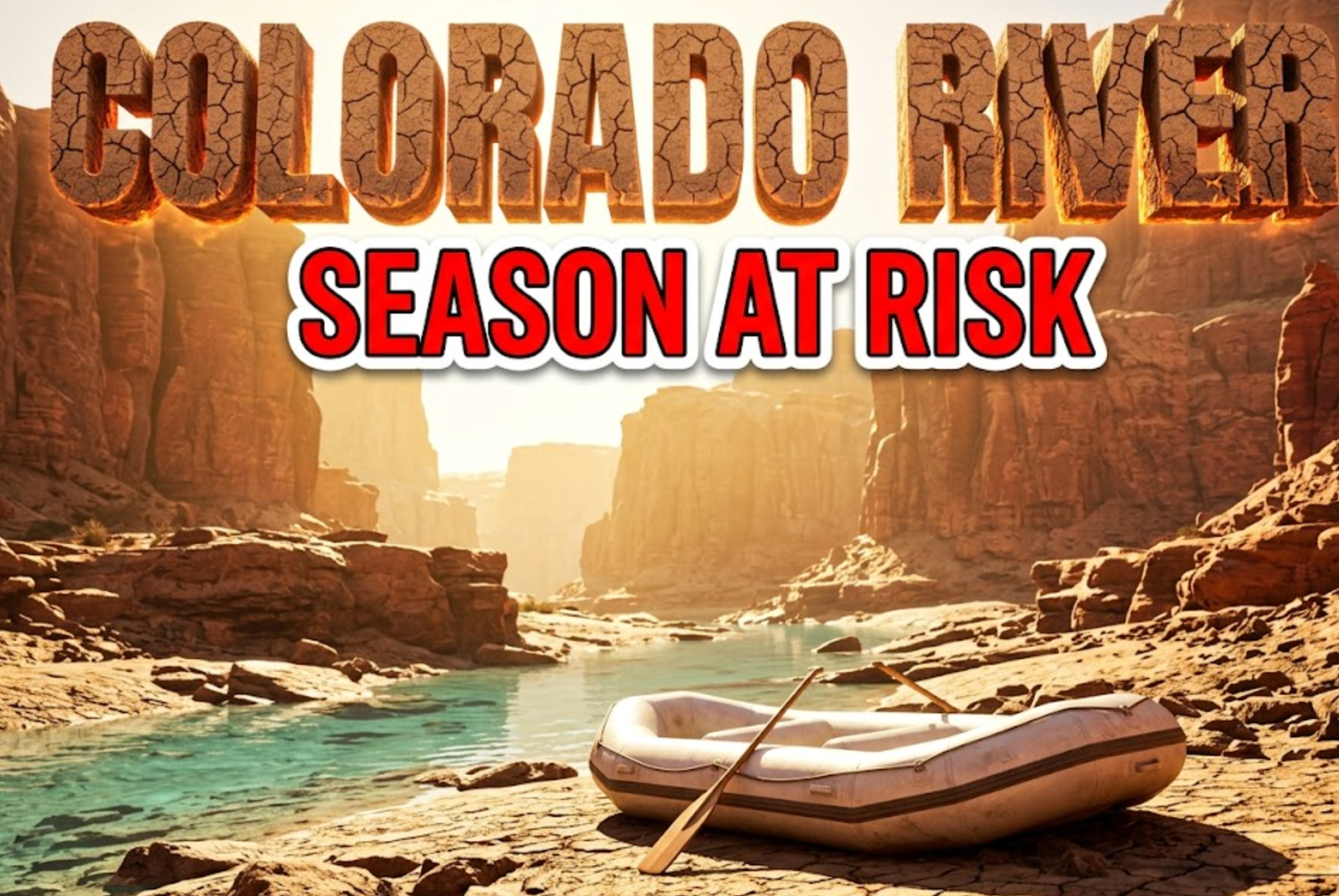
Record heat and dwindling snowpack across Colorado’s Western Slope are threatening to cut short the state’s rafting season, with some outfitters warning they could close operations by midsummer. While major river operators remain optimistic, smaller companies relying on tributary flows face an uncertain spring as drought conditions tighten their grip on the region.
Western Slope Heat Pushing Rivers to Historic Lows
The Colorado River and its tributaries are heading toward another challenging year as temperatures soar above normal across the Western Slope. Travis Baier, owner of Rimrock Adventures in Fruita, confirmed that while current water levels appear typical for early spring, projections show a steep decline ahead.
The snowpack deficit is the primary concern. Colorado’s mountains failed to accumulate the deep winter snow that typically feeds rivers through summer and fall. Without adequate runoff, water levels could drop faster than usual once the brief spring melt concludes.
Baier pointed to historical drought years as reference points. The summers of 2002 and 2012 brought similarly dry conditions that forced adjustments across the industry.
Some Outfitters May Close by Early Summer
The impact will not be uniform across Colorado’s rafting industry. Companies operating on smaller rivers and tributaries face the harshest consequences, with some potentially shutting down operations months ahead of schedule.
Industry observers expect certain outfitters to cease trips by June or July, a stark contrast to typical seasons that can extend into November in favorable years. The Animas River near Durango has historically experienced early closures during drought periods when flows become too shallow for safe navigation.
Geographic location will determine survival this season. Operations positioned on the main stem of the Colorado River hold significant advantages over those dependent on smaller waterways.
Main Stem Operators See Silver Lining
Rimrock Adventures, which has operated since 1989, benefits from its position on the Colorado River’s main channel. The company has never faced closures due to low water in its 36-year history.
Baier explained that drought years sometimes boost business for main stem operators. When tributary rivers like the Animas drop too low, rafters redirect to locations with reliable flows.
The company runs trips through Ruby-Horsethief Canyon and local valley sections where calm water experiences remain viable regardless of flow rates. While trips may move slower during low water periods, guests still receive full experiences without the risk of scraping rocks or getting stranded.
Early Season Already Underway
Unseasonably warm weather has accelerated the start of rafting season across the Western Slope. Rimrock Adventures began offering equipment rentals earlier than usual and plans to launch guided trips next month.
The early start reflects broader climate patterns affecting the entire region. Warmer temperatures are melting what limited snowpack exists at a faster pace, compressing the runoff period into a shorter window.
This compressed timeline creates a double-edged sword for outfitters. While they can begin operations sooner, the accelerated melt means less sustained flow through traditional peak summer months.
What This Means for Colorado Recreation
The rafting industry serves as both an economic driver and a bellwether for water availability across Colorado. Shortened seasons translate to lost revenue for outfitters, guides, and surrounding communities that depend on outdoor recreation tourism.
Beyond economics, the drought signals deeper water management challenges. The Colorado River system supplies water to 40 million people across seven states, and recreational flows often take a backseat to agricultural and municipal demands during shortage years.
Rafters planning Colorado trips this year should book early and remain flexible. Main stem locations offer the most reliable options, while those seeking whitewater experiences on smaller rivers should monitor conditions closely and have backup plans ready.
The contrast between operators highlights how climate variability creates winners and losers even within the same industry. As drought becomes more frequent across the West, adaptability and location will increasingly separate thriving businesses from those struggling to survive. Colorado’s rafting season may look very different by midsummer, with only the most strategically positioned companies still running trips when autumn arrives.
Will you adjust your summer plans based on drought conditions? Share your thoughts and tag your outdoor adventure friends on social media to help spread awareness about changing river conditions this season










Spotify Running Mode hits Android and revives its old tempo experiment

Galaxy Tab S12 Ultra Renders Keep the Notch Fans Hate

Novato Spinning Round House Sells With Six Neighbors for $3.3 Million

Crop Tour Finds Indiana and Nebraska Corn Yields Lagging 2025

Best Buy 60th sale brings Android deals back to its roots

American Airlines reverses seatback screen bet years too late

Iran Hormuz Strikes Force Gulf Oil Onto Costlier Paths

Plague Tale Prequel Day One Joins Game Pass Wave 2 as Witcher Exits

NBA 2K27 opens The City to everyone and rewrites career eras

iOS 26.6.1 Patches 29 Flaws as AI Forces Faster Apple Updates

Double Fine Cuts 23 Jobs Weeks After Xbox Independence

Day-One Big Walk Lifts PS Plus August Beyond Recycled AAA

John Hight Exits Wizards After Digital Reckoning Hits

Curtis Mead’s Red Sox Debut Ends With Fractured Wrist

Moesch and Dressel Rewrite Night One at 2026 U.S. Nationals

Red Sox Squander Hot Streak Chance in 4-3 Loss to Athletics

Boutte’s Quiet Camp Takeover Forces Patriots Receiver Choices

Take-Two CEO Pushes Netflix Subs for GTA 6 Extended Look

Halo Campaign Evolved Skulls Meet Death Barriers That Kill the Hunt

Wildlands Free Update Hands Players the Tools They Already Invented
-

 TECHNOLOGY3 years ago
How to Adjust a Bulova Watch Band – An Easy Guide
-

 News3 years ago
Fred Pentland: Athletic Bilbao’s English mentor who changed the essence of Spanish football
-

 FINANCE3 years ago
Tax Planning for Every Season: Guide to Maximizing Your Tax Benefits
-

 Education3 years ago
African Ministers New Education Plan
-

 BUSINESS3 years ago
What is Entrepreneurial Operating System? A Comprehensive Guide to EOS
-

 Education3 years ago
Innovate Your Learning Journey with Technology and Enhance Education
-

 News3 years ago
Russians formally out of World Athletics Championships
-

 BUSINESS3 years ago
Top 9 Most Expensive American Cities to Rent an Apartment