
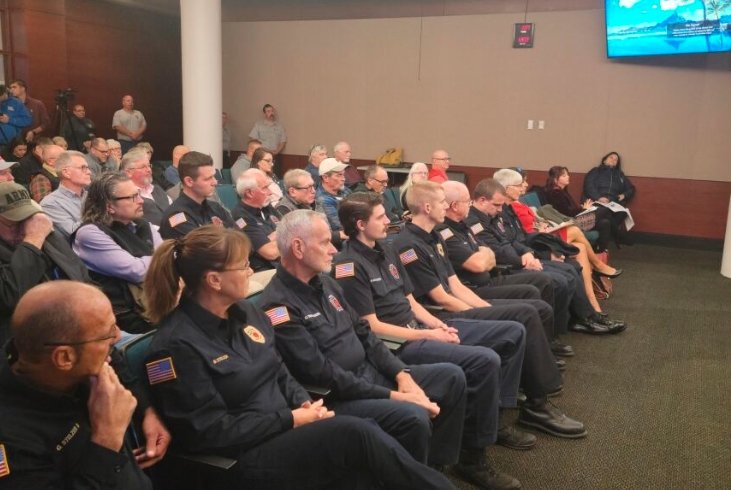
Allen County officials gathered in Fort Wayne, Indiana, on October 24, 2025, to review the results of a comprehensive study on consolidating fire and emergency medical services. The Purdue University Fort Wayne analysis highlights inefficiencies in the current system and offers practical steps toward a unified fire district model.
Study Background and Purpose
The consolidated Fire and EMS Systems study came about after Allen County leaders commissioned Purdue University Fort Wayne’s Systems Engineering Center in early 2025. Officials sought to examine operational efficiency, staffing levels, system performance, and overall costs. This effort supports the idea of merging the county’s four fire districts and one fire territory into a single entity, excluding the City of Fort Wayne, which runs its own department.
County leaders spent more than $45,000 on the project, conducted from February to May. The timing aligns with broader discussions on local government efficiencies, especially as Indiana’s state legislature eyes changes to township-level services. With Allen County’s population nearing 400,000 and growing suburbs straining resources, such a review makes sense for better emergency response.
Experts point out that fragmented districts lead to delays in critical situations. For instance, recent data shows response times averaging 8 to 10 minutes in rural areas, compared to national benchmarks of under 6 minutes. This study aims to address those gaps head on.
Major Findings from the Report
The study uncovered several challenges in how fire and EMS services operate across Allen County. Researchers analyzed data from the existing districts, including response logs, budgets, and facility conditions. One key issue stands out: the funding model varies widely, leaving some areas underserved.
Backfill practices, where one district pulls resources to cover another, create ripple effects on county wide readiness. Fire hydrant shortages in certain zones further complicate matters, raising risks during emergencies. Homeowners often lack basic knowledge about service funding and daily protocols, which include networked responses from the four districts and one territory.
EMS calls trigger mandatory backfill across the county, straining the system. Taxes currently fund both fire protection and EMS, supporting a fleet of 32 vehicles that transport patients to hospitals. Many stations, built for volunteer eras, now fall short on modern needs like proper sleeping quarters and showers.
To illustrate the staffing disparities, consider this table of current versus recommended levels:
| Aspect | Current Average | Recommended Minimum |
|---|---|---|
| Personnel per Station | 2.4 firefighters | 6 firefighters |
| Vehicles per District | Varies (total 32 EMS) | One engine and one ambulance per station |
| Response Coordination | Networked but inconsistent | Enhanced with executive oversight |
This data underscores the need for upgrades to meet national standards and handle increasing call volumes, which rose 15 percent in the last year alone.
Proposed Solutions for Improvement
Purdue experts matched each finding with targeted solutions to build a stronger system. First, they recommend a uniform funding model to ensure equal payment for fire and EMS services county wide. This would eliminate disparities and promote fairness.
Staffing gets a big push: equip every station with at least one engine and one ambulance, backed by minimum personnel. Enhancing the networked response means setting a standard of six firefighters per station, which could nearly double current levels and cut backfill needs.
Communication plays a vital role too. Officials should inform taxpayers about demographic shifts, like urban sprawl, and their effects on taxes and planning. The structure should preserve and improve current collaborations without weakening them.
Clarify that payments cover both fire and EMS. Finally, command staff must pinpoint facility upgrades, including timelines for renovations. These steps could save costs long term, similar to consolidations in nearby counties that reduced overhead by 20 percent.
Here are the core proposed actions in bullet form for quick reference:
- Develop equitable funding for all services.
- Boost staffing to national standards.
- Improve public awareness on changes and impacts.
- Strengthen response networks with better organization.
- Upgrade outdated stations systematically.
Implications for Allen County Residents
These findings hit close to home for the 400,000 plus residents of Allen County. Faster responses could mean lives saved, especially in growing areas like Aboite and New Haven townships. Logical reasoning suggests that without changes, backfill issues will worsen as development continues.
Related events, such as the recent Three Rivers Ambulance Authority discussions on funding, tie into this. TRAA handles dispatches and transports, but tensions over costs highlight the need for unified approaches. Taxpayers might see stable or lower rates if efficiencies kick in, but short term investments in staffing and facilities are likely.
Emotional weight comes from stories of delayed responses in past incidents, like a 2024 structure fire where backfill slowed aid. Practically, this solves problems by ensuring reliable services, reducing risks for families and businesses.
Next Steps and Community Impact
County leaders now face decisions on implementing these recommendations. Hiring an executive fire and EMS chief emerges as the first move, followed by coordination among councils, commissioners, and district chiefs over five years. Budget talks could shift, with potential for a consolidated district by 2027.
This aligns with trends in Indiana, where other counties explore mergers amid rising costs. For residents, better services mean peace of mind. Stay informed as updates roll out, and consider how these changes affect your area.
Share your thoughts in the comments below. What do you think about consolidating fire services in Allen County? Your input could shape the discussion.