
Archeologists in Texas recently uncovered the remains of an entire venomous snake inside 1,500-year-old human poop from the Conejo Shelter. This find, analyzed in late 2025, shows an ancient hunter-gatherer swallowed the snake whole, including its fang, during what experts believe was a ritual.
Discovery in Dried Fecal Matter
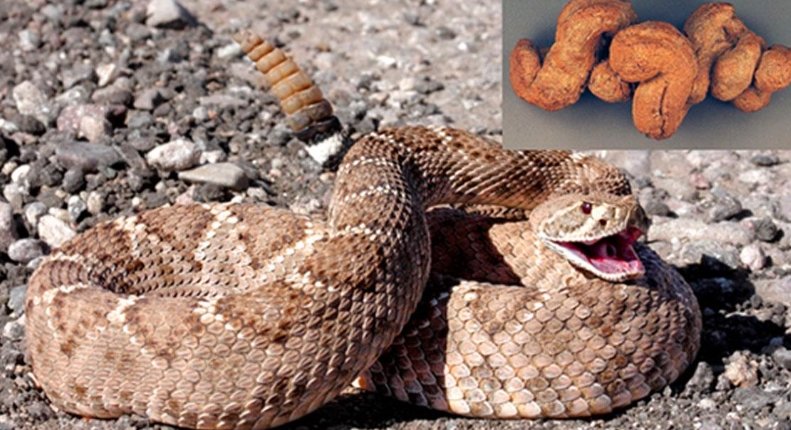
Researchers at Texas A&M University examined fossilized poop samples collected decades ago from the Conejo Shelter in the Lower Pecos Canyonlands of southwest Texas. One sample stood out because it contained bones, scales, a head, and a fang from a snake.
The poop dates back about 1,500 years, to a time when indigenous groups lived in the harsh desert region. These hunter-gatherers used rock shelters like Conejo as campsites and latrines. The discovery happened during a fresh review of over 1,000 coprolite samples gathered in the 1960s.
Experts identified the snake as likely a diamondback rattlesnake or copperhead based on the one-centimeter fang. Such snakes were common in the area, and eating them whole points to more than just hunger.
This isn’t the first time animal remains have appeared in ancient poop, but swallowing a venomous snake intact is rare. It suggests cultural practices beyond daily survival.
Ritual or Survival Eating?
Why would someone eat a whole venomous snake? Archeologists think it ties to rituals among prehistoric groups in the region. These people foraged in tough conditions, eating rodents, fish, reptiles, and plants.
The snake was probably consumed raw or lightly prepared, as no cooking signs appeared in the poop. Rituals involving snakes appear in many ancient cultures, often symbolizing power or spiritual events.
Recent studies in 2025 link this to broader patterns in Native American history. Similar finds in nearby sites show diverse diets, but this case stands out for the complete snake.
Experts rule out contamination. The fang was embedded deep inside the coprolite, not stuck on the outside. This confirms the snake was ingested.
- Snakes like diamondbacks can grow up to five feet long, but this one was smaller based on remains.
- Copperheads, while venomous, have milder bites compared to rattlesnakes.
- Ancient diets in the region included up to 70 percent plant material for nutrition.
Shelter’s Role in Ancient Life
The Conejo Shelter served as a key spot for hunter-gatherers starting over 12,000 years ago. Located in Texas’ desert landscape, it offered protection and resources.
Excavations revealed tools, art, and waste pits. The latrine area yielded the poop samples, preserved by dry conditions.
In 2025, renewed interest in these sites comes from climate studies. Changing weather patterns echo ancient challenges, making the find timely.
This discovery adds to knowledge of prehistoric health and habits. Coprolites often reveal parasites or diet details, helping map human evolution.
Comparing Snake Remains to Other Finds
Archeologists have found odd items in ancient poop before. Here’s a table of notable coprolite discoveries:
| Discovery Location | Age (Years) | Key Contents | Possible Meaning |
|---|---|---|---|
| Conejo Shelter, Texas | 1,500 | Whole venomous snake with fang | Ritual consumption |
| Mylodon Cave, Chile | 10,000+ | Giant sloth remains | Shared human-animal spaces |
| Cave of Dead Children, Mexico | 1,300 | Pathogens and plants | Health issues in early groups |
| Viking Site, England | 1,200 | Large human turd with parasites | Diet and disease in medieval times |
These examples show how poop preserves history. The Texas snake find is unique for its completeness.
Recent 2025 digs in similar Texas shelters uncovered more reptile bones, suggesting snakes were a regular food or symbol.
Impact on Modern Archaeology
This snake-in-poop discovery highlights advances in analyzing ancient waste. Tools like DNA testing now reveal more details than in the 1960s.
It connects to current trends, like studying indigenous diets for sustainable living ideas. In 2025, with food scarcity talks rising, these insights matter.
Experts continue examining the samples for more clues. Future finds could reveal if snake-eating was widespread or rare.
Share your thoughts on this bizarre ancient meal in the comments below, and pass the article along to fellow history buffs.