
Colorado Parks and Wildlife officials are sounding the alarm as cases of highly pathogenic avian influenza rise across the state this winter. With bird migration in full swing, the virus is spreading among waterfowl and shorebirds, posing risks to humans, pets, and other animals as of December 2025.
What Is Driving the Outbreak
Bird flu, known as H5N1, thrives in wild birds like geese and ducks that gather in large groups near lakes and reservoirs. This strain first hit Colorado hard in 2022, and experts now see a seasonal spike tied to migration patterns from late fall into winter.
Recent tests confirm the virus in snow geese at places like John Martin Reservoir State Park. Officials note that infected birds often show no outward signs at first, making spread harder to track. This year alone, reports from areas like Larimer County highlight dead Canada geese, signaling a broader wave.
The virus jumps species easily. It has infected tigers, mountain lions, and foxes in wildlife sanctuaries, leading to quick deaths. Human cases, though rare, popped up in Colorado during poultry culling efforts earlier this year, with five workers showing mild illness.
Experts link the surge to climate shifts that alter migration routes, bringing more birds into contact with farms and urban spots. Without a cure, the focus stays on monitoring and prevention to curb wider impacts.
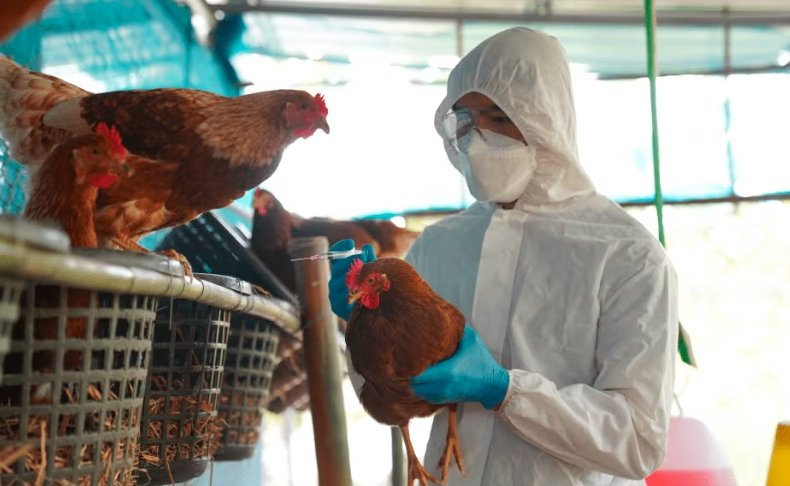
Symptoms to Watch For in Birds and Animals
Infected birds act out of sorts, which helps spot the problem early. Wildlife officials urge people to report unusual behavior in groups of three or more birds within two weeks.
Common signs include:
- Slow movements or lack of energy
- Swimming in circles or inability to fly
- Head tilting or swelling
- Poor coordination, similar to rabies
Other animals hit by the virus show quick decline. For example, big cats and foxes become lethargic, stop eating, and die fast. Pets like dogs and cats face risks if they touch sick birds, so keep them away from wildlife areas.
Humans rarely catch it, but when they do, symptoms mimic a bad cold. Past cases in Colorado involved eye redness, fever, chills, cough, sore throat, and runny nose. No one needed hospital care in those instances, but quick medical checks are key.
Risks to Humans and How It Spreads
The virus spreads through close contact with infected birds or their droppings. Waterfowl hunters, poultry workers, and backyard flock owners stand at higher risk. Officials stress that while general public danger remains low, caution matters during peak migration.
Human transmission stays uncommon, with global cases tied mostly to animal handling. In Colorado, recent worker infections during farm outbreaks underline the need for protective gear like masks and gloves.
It can also affect livestock. Studies show milk glands in cows and humans could host the virus, raising concerns for dairy farms. To date, no widespread human outbreaks have occurred, but monitoring ramps up nationwide.
Pets add another layer. If a dog or cat interacts with a sick bird, seek vet care right away. Symptoms in pets mirror those in wildlife, starting with tiredness and loss of appetite.
| Risk Group | Potential Exposure | Recommended Precautions |
|---|---|---|
| Hunters | Handling game birds | Wear gloves, masks; clean gear after hunts |
| Farmers | Contact with poultry or livestock | Use N95 respirators, eye protection; wash hands often |
| General Public | Finding dead birds | Avoid touching; report to officials if multiple found |
| Pet Owners | Pets near wildlife | Keep animals leashed; watch for illness signs |
Prevention Tips for Colorado Residents
Staying safe starts with simple steps. Officials advise against touching any dead or sick birds, especially on public lands. For private property, double bag carcasses with gloves and toss them in regular trash, then wash up well.
Report clusters of dead birds to local wildlife offices. This helps track the outbreak and prevent bigger issues. Avoid walking on ice to grab fallen birds, as that raises accident risks too.
For those in high-risk jobs, personal protective equipment is a must. Dress game in the field and cook meat thoroughly to kill any virus. Backyard bird owners should boost biosecurity, like keeping flocks away from wild birds.
Communities play a role too. Local alerts in places like Grand Junction remind people to steer clear of affected areas. With cases climbing, staying informed through state updates keeps everyone prepared.
Education efforts include online resources and hotlines for questions. By acting early, Colorado aims to limit the virus before it hits harder in 2026.
Impact on Wildlife and Economy
The outbreak hurts more than just birds. High death rates in wild populations disrupt ecosystems, affecting predators and food chains. In Colorado, shorebird numbers could drop if the virus keeps spreading unchecked.
Economically, poultry farms feel the pinch. Nationwide, similar strains have led to culling millions of chickens, spiking egg prices in states like Texas. Colorado’s industry watches closely to avoid big losses.
Wildlife tourism takes a hit too. Parks warn visitors away from certain spots, cutting visits during migration season. Long-term, repeated outbreaks might shift bird patterns, changing the state’s natural appeal.
Recent events tie into global trends. Outbreaks in Canada and other U.S. states show the virus adapting, with airborne spread suspected in some cases. Vaccines for birds exist but await full approval here.
What Happens Next for Control Efforts
Officials plan stepped-up surveillance, testing more wild birds and farms. Partnerships with federal agencies like the CDC aim to catch human cases early.
Research pushes for better vaccines and tracking tech. In Iowa, studies explore spread paths, offering clues for Colorado’s response.
Public health messages focus on awareness without panic. With winter migration peaking, the next few months will test these efforts.
Share this article if you found it helpful, and drop a comment below on how you’re staying safe around wildlife this season.