Paleontologists have uncovered a stunning 165 million year old ankylosaur fossil in Morocco that rewrites dinosaur history. Named Spicomellus afer, this bizarre creature with extreme spikes and armor challenges what experts knew about these ancient animals.
Discovery Shakes Up Dinosaur Timeline
Scientists from the Natural History Museum in London made a groundbreaking find in Morocco’s Atlas Mountains. The team, led by paleontologist Susannah Maidment, returned to the site near Boulemane after spotting unusual bones years earlier.
Their efforts paid off with a more complete skeleton discovered between 2022 and 2023. This specimen dates back to the Middle Jurassic period, making it the oldest known ankylosaur by about 30 million years.
Experts say this pushes back the timeline for when these armored dinosaurs first appeared in Africa. The find also marks the first ankylosaur ever named from the continent, filling a major gap in fossil records.
Previous ankylosaur discoveries came mostly from North America and Asia. Now, this Moroccan site hints at a wider spread much earlier than thought.
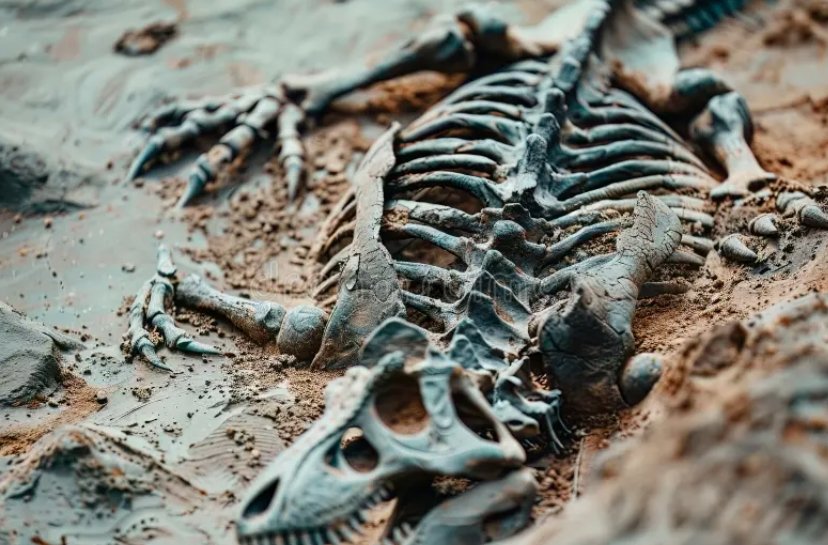
Extreme Features of Spicomellus Afer
What sets Spicomellus afer apart is its wild armor. Long spikes, some up to three feet, stuck out from its body in ways never seen before.
The most shocking part? These spikes fused directly to the dinosaur’s ribs and bones. Paleontologists describe it as jaw dropping and unlike any other creature.
This plant eater roamed coastal floodplains, using its defenses against predators. Its neck collar of spikes likely served for protection and maybe even attracting mates.
Reconstructions show a tank like body bristling with elaborate plates and weaponry. Experts call it the most extreme armored dinosaur on record.
The fossil includes parts of the ribcage, spine, and limbs. These pieces reveal how the spikes grew right from the bone, a unique trait among vertebrates.
How It Changes Ankylosaur Evolution
This discovery flips existing theories on ankylosaur development. Scientists once believed heavy armor and tail clubs evolved later, around 135 million years ago.
But Spicomellus afer shows these features appeared much sooner. It suggests faster evolution in response to threats or environment.
Key insights from the find include:
- Spikes fused to bones, a first in dinosaur records.
- Possible tail weapon, hinting at early combat adaptations.
- Evidence of diverse ankylosaur types in Africa during the Jurassic.
Researchers think this could lead to more finds in underrepresented areas like Africa. It opens doors to understanding how dinosaurs adapted across continents.
The team used advanced imaging to study the bones without damage. This helped confirm the age and unique structures.
Comparisons to Other Dinosaurs
Spicomellus afer stands out when stacked against relatives like Ankylosaurus or Euoplocephalus. Those later species had bony clubs but not fused spikes.
Here’s a quick look at key differences:
| Feature | Spicomellus Afer | Typical Ankylosaur |
|---|---|---|
| Age | 165 million years | 100-66 million years |
| Armor Type | Fused bone spikes | Loose plates and clubs |
| Location | Morocco, Africa | North America, Asia |
| Unique Trait | Neck collar of spikes | Tail club weapon |
This table highlights how Spicomellus pushes boundaries. It lived in a time when dinosaurs were diversifying rapidly after a mass extinction event.
Links to modern animals? Some experts compare its spikes to porcupine quills, but fused to bone makes it one of a kind.
Recent studies tie this to broader climate changes in the Jurassic. Warmer conditions might have driven such extreme defenses.
What This Means for Future Research
Paleontologists now hunt for more fossils in Morocco and nearby regions. This could reveal a hidden chapter in dinosaur history.
The find excites experts and the public alike. It shows science still uncovers surprises from Earth’s past.
Funding for digs has increased, with international teams joining efforts. Expect more news as analysis continues.
This ties into trending topics like climate impact on evolution. It reminds us how ancient life adapted to challenges, much like today.
Share your thoughts on this bizarre dinosaur in the comments below. What other ancient creatures fascinate you? Spread the word to fellow history buffs.