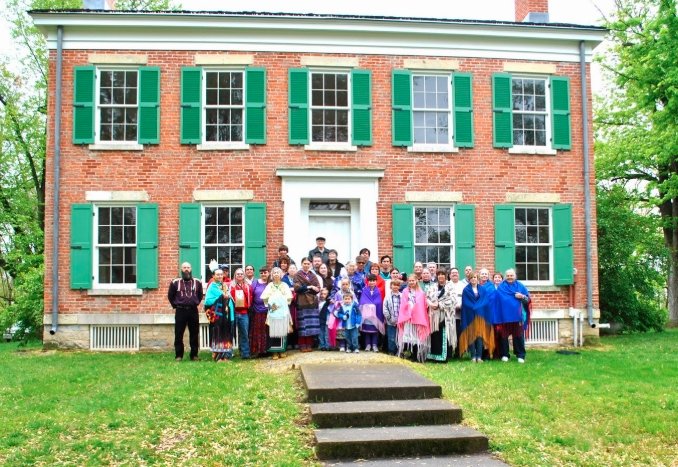
In Fort Wayne Indiana the Chief Richardville House built in 1827 stands as the oldest building in the city and a key symbol of the Miami Tribes lasting presence in the region. This structure once home to principal chief Jean Baptiste de Richardville now serves as a vital link to Native American history especially with the upcoming Miami Indian Heritage Days event set for November 1 and 2 2025.
The house highlights how tribal leaders navigated early American expansion while maintaining cultural ties. Visitors today can explore its story and connect with the Miami peoples enduring spirit right here in northeast Indiana.
The Origins and Building of the Chief Richardville House
The Chief Richardville House emerged from a pivotal moment in Miami Tribe history. Construction began in 1827 under a provision from the Treaty of Mississinewa signed in 1826. This agreement allowed select tribe members including Chief Richardville to stay in Indiana despite widespread forced removals to the west. The federal government contributed 600 dollars toward the project while the chief added his own funds bringing the total cost to 2200 dollars. Designed in Greek Revival style the home featured spacious rooms and elegant details that reflected both Native and European influences.
Jean Baptiste de Richardville chose a spot near the St Marys River which tied into the areas vital trade routes. His mother Tacumwah a prominent Miami leader had long controlled the portage connecting the Maumee St Joe and St Marys Rivers to the Wabash. This pathway created a major commerce link from Canada to the Gulf of Mexico boosting the familys wealth and influence. The house quickly became a hub for important meetings where decisions shaped the tribes future including the 1840 removal treaty that relocated the government first to Kansas and later to Oklahoma.
Over time the building passed through generations of Richardvilles descendants until 1908 when it left family hands. By then it had witnessed profound changes in the landscape and the lives of the Miami people.
Chief Richardvilles Role in Miami Tribe Leadership
Jean Baptiste de Richardville born in 1761 in the Miami village of Kekionga now Fort Wayne rose to lead the tribe during turbulent times. As the son of a French fur trader and Miami mother Tacumwah he bridged two worlds from a young age. By the 1790s he and his mother dominated local trade turning their control of key river routes into a thriving enterprise. This savvy business sense made him one of the wealthiest individuals in Indiana by his death in 1841.
Richardville became principal chief in 1816 succeeding his uncle Little Turtle a famed warrior and diplomat. He signed five treaties with the U S government including the Treaty of Greenville in 1795 and others that ceded lands but also secured provisions like his home. These agreements often placed him in tough negotiations balancing tribal survival with mounting pressures from settlers. Despite challenges he advocated for his peoples rights and culture earning respect as a steady voice amid upheaval.
His legacy extends beyond treaties. Richardville entertained early Fort Wayne leaders like Samuel Hanna and Allen Hamilton in his home fostering early civic ties. Today descendants like Dani Tippmann who serves as the tribes community food program director highlight the houses role as a cultural anchor. It reminds everyone that the Miami are not just a chapter in history but a living community with deep roots in the area.
Here are some key facts about Chief Richardville:
- Born in 1761 in Kekionga to a French father and Miami mother.
- Controlled vital portage routes creating a trade empire.
- Served as principal chief from 1816 to 1841 signing multiple treaties.
- Considered the richest man in Indiana at his death.
- His home was built via a treaty provision allowing him to remain in Indiana.
Restoration Efforts and National Recognition
The Chief Richardville House faced neglect after leaving family ownership but found new life through dedicated preservation work. In 1991 the Allen County Fort Wayne Historical Society now The History Center purchased the property. Over the next 13 years they restored the exterior and stabilized the interior turning back the clock on years of wear. This effort preserved not just bricks and mortar but a piece of Midwest Native American architecture.
The houses significance grew with official honors. It earned status as one of Indianas first local historic districts in 1966 followed by National Register listing in 1997. In 2012 it became a National Historic Landmark one of few such indigenous sites in the state. These designations underscore its rarity as the oldest Native American building in the Midwest and the nations only surviving treaty house.
Restoration continues to evolve with ongoing maintenance to protect against weather and time. Experts like Todd Maxwell Pelfrey executive director of The History Center emphasize its dual role in American and tribal narratives. The site now offers tours revealing artifacts like the chiefs large safe where he stored his wealth adding personal touches to the story.
| Milestone | Year | Description |
|---|---|---|
| Birth of Chief Richardville | 1761 | Born in Kekionga son of French trader and Miami leader Tacumwah. |
| Became Principal Chief | 1816 | Succeeded uncle Little Turtle leading Miami Tribe through key treaties. |
| House Construction | 1827 | Built via Treaty of Mississinewa provision costing 2200 dollars total. |
| Chiefs Death | 1841 | Passed away as Indianas richest man leaving enduring legacy. |
| Acquired by Historical Society | 1991 | Began restoration of exterior and interior over 13 years. |
| National Historic Landmark | 2012 | Recognized for indigenous significance in Midwest history. |
| Miami Heritage Days Wrap Up | 2025 | Traders Days event on November 1 2 at the house. |
The Miami Indian Heritage Days Event
Miami Indian Heritage Days brings the tribes traditions to life at the Chief Richardville House. This annual series runs from May through November with the season finale known as Traders Days on November 1 from 10 a m to 5 p m and November 2 from noon to 4 p m. The event is free and open to all offering hands on experiences like craft demonstrations storytelling and historical reenactments.
Attendees can explore Miami culture through interactive exhibits that highlight daily life trade and governance. Its a chance to see how the house served as a decision making center including talks on the 1840 removal treaty. Tribal members like Jared Nally deputy historic preservation officer stress its role in showing the Miamis contemporary presence not just past stories.
This years event ties into broader efforts to educate on indigenous resilience. With hundreds of tribe members still in northeast Indiana it fosters community connections and sparks interest in Native history.
The Modern Miami Tribe and Enduring Presence
Today the Miami Tribe of Oklahoma boasts over 7000 citizens spread across the United States with strong ties to Indiana. Despite forced relocations in the 1800s the tribe maintains cultural practices language revitalization and community programs. Figures like Nally and Tippmann work to preserve sites like the Chief Richardville House ensuring future generations learn the full story.
The houses survival challenges outdated views of Native peoples as relics of the past. It stands as proof of ongoing Miami politics and heritage in Kekionga. Recent initiatives include school group visits and monthly tours from May to October helping schools in nearby counties connect with this history for free.
As preservation efforts continue the site inspires reflection on shared landscapes and histories. It reminds us that indigenous stories are woven into everyday places like Fort Wayne.
The Chief Richardville House and Miami Tribe legacy offer a powerful glimpse into resilient history. Share your thoughts on this story in the comments below and spread the word about the upcoming Heritage Days event to help keep these traditions alive.