
Colorado is pumping the brakes on teen driving with a sweeping new law that dramatically expands driver’s education requirements for young motorists. Starting April 1, 2025, the state will enforce stricter classroom training aimed at curbing a troubling rise in crashes and traffic violations among its youngest drivers.
House Bill 24-1021 represents one of the most significant overhauls to Colorado’s driver training system in years, targeting a demographic responsible for over 720 crashes in 2025 alone.
Expanded Training Hours Take Effect This Month
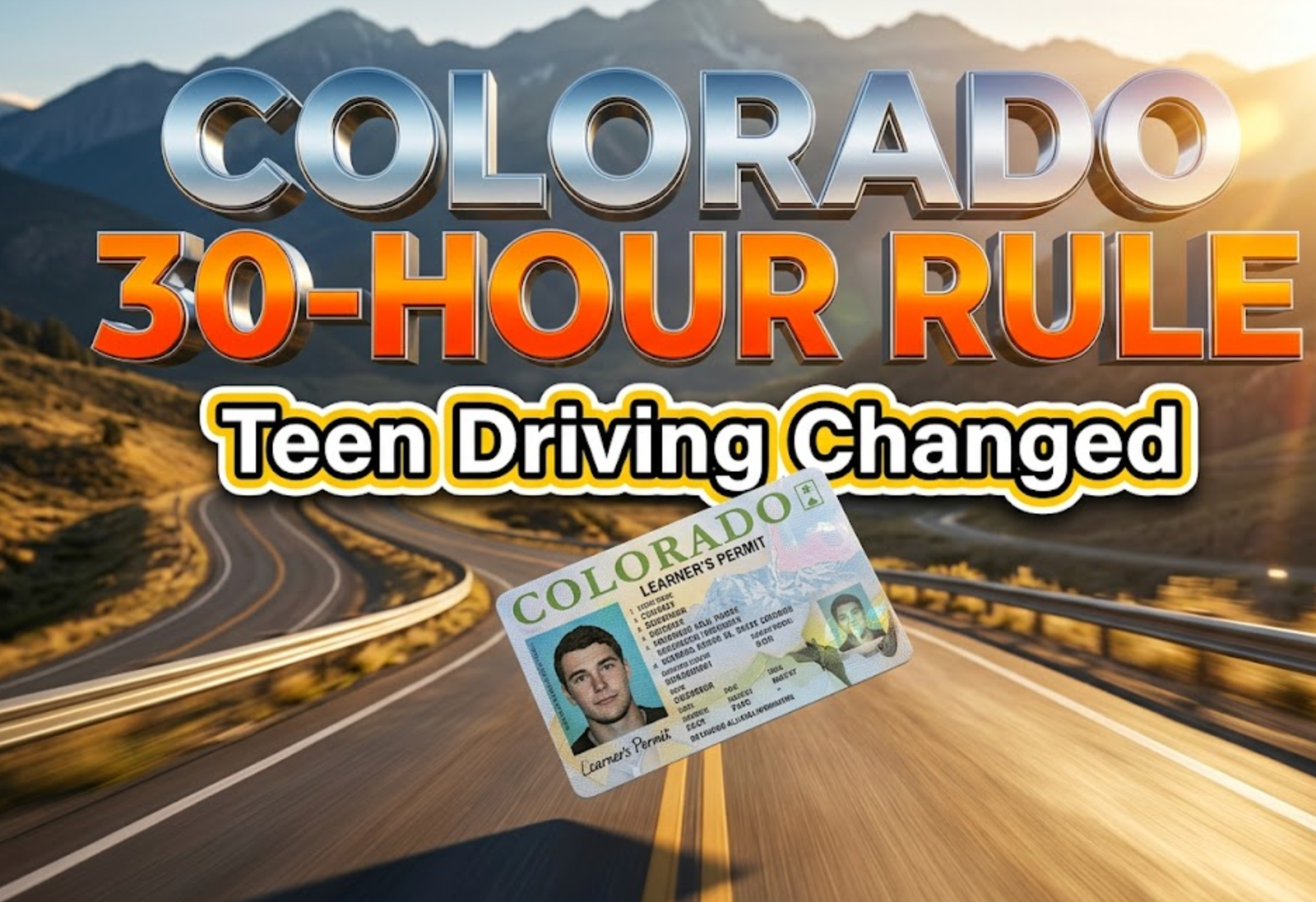
The new law introduces a mandatory 30-hour driver’s education course for anyone under 18 seeking a learner’s permit. This marks a dramatic shift from the previous requirement, which allowed 16 to 18-year-olds to obtain permits after completing just a four-hour classroom session.
Adults aged 18 and older will face a different choice. They can either complete the full 30-hour comprehensive course or opt for a shorter four-hour pre-qualification program. All courses, whether delivered in person or online, must receive approval from the Colorado Department of Revenue before being recognized by the state.
The expansion applies to traditional vehicle permits and introduces new requirements for young motorcycle enthusiasts. Minors under 21 must now complete a Colorado State Patrol-approved motorcycle safety instruction program before receiving their motorcycle permit.
Teen Drivers Face Mountain of Citations
The numbers driving this legislative change paint a concerning picture of young driver behavior across Colorado. In 2025, the Colorado State Patrol issued nearly 10,000 citations to drivers between ages 16 and 21.
The most common violations among this age group included:
• Speeding
• Careless driving
• Failure to wear seat belts
• Driving without proof of insurance
Trooper Gabriel Moltrer with the Colorado State Patrol identified distracted driving as the primary culprit behind many crashes involving young motorists. Cell phones, GPS devices, music systems, and even passengers create dangerous attention gaps that inexperienced drivers struggle to manage.
“Just having those distractions in the vehicle, whether it be cell phones, GPS, the music you’re trying to play, or even other passengers in the vehicle,” Moltrer explained, highlighting the multifaceted challenges facing new drivers.
State Patrol Investigated Over 720 Youth Crashes
Colorado State Patrol crash investigation data reveals the human cost behind the statistics. Troopers responded to more than 720 collisions caused by drivers aged 16 to 21 throughout 2025, a figure that state officials hope will decline as enhanced training takes hold.
The crashes span the full spectrum of severity, from minor fender benders to serious injury collisions. Each incident represents not just property damage and insurance claims, but potential trauma, medical bills, and lasting consequences for young drivers and their families.
Moltrer emphasized the complexity of operating a vehicle safely in modern traffic conditions. “Driving is learned, it is complicated, and it does take a lot of focus to ensure that you are driving properly,” he noted.
The trooper stressed that proper preparation extends beyond basic vehicle operation to include understanding traffic laws, developing defensive driving skills, and building the judgment necessary for split-second decisions behind the wheel.
Implementation Timeline Gives Families Time to Prepare
While the law officially takes effect April 1, 2025, families won’t face immediate enforcement pressure. The enhanced requirements will apply only to permit and license applications received on or after January 1, 2027.
This extended implementation timeline gives driving schools nearly two years to develop approved curricula, hire additional instructors, and expand capacity to handle the increased demand for longer courses. It also provides families with time to budget for potentially higher education costs and plan around the extended time commitment.
The Department of Revenue will maintain a registry of approved providers, ensuring quality standards across both in-person and online offerings. Parents shopping for driver’s education programs should verify approval status before enrollment to avoid wasted time and money on courses that won’t satisfy the new legal requirements.
Colorado’s approach mirrors similar efforts in other states grappling with teen driving safety concerns. Lawmakers believe the investment in comprehensive education will pay dividends through fewer crashes, lower insurance rates, and ultimately, saved lives on Colorado roadways.
As Colorado prepares to roll out one of the nation’s most extensive teen driver training programs, state officials remain focused on a single goal: ensuring young drivers possess the skills, knowledge, and judgment to navigate increasingly complex traffic environments safely. The expanded education requirements represent a bet that more classroom time now means fewer emergency room visits later, a trade-off most Colorado families will likely embrace.
What do you think about Colorado’s new driver’s education requirements? Share your thoughts in the comments below, especially if you’re a parent preparing to guide a teen through the licensing process.