A quiet warning echoed through Grand Junction this week — the Colorado River, once again, finds itself at the center of a tense balancing act.
At the latest Colorado Basin Roundtable meeting, experts, stakeholders, and water watchers gathered to tackle everything from endangered flows in Glenwood Canyon to the quiet spread of zebra mussels. The conversations were technical, sure, but the urgency? That was unmistakable.
Glenwood Canyon’s 2.4 Miles Could Hold a Bigger Key Than Expected
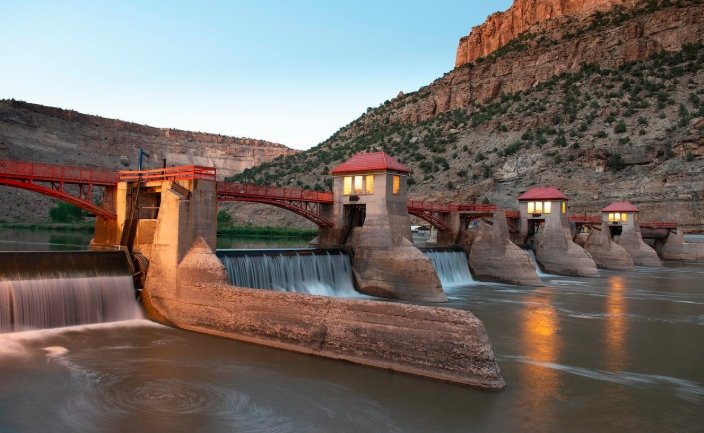
One of the most talked-about issues was the proposed acquisition of stream flow rights near the historic Shoshone Power Plant. The stretch in question — just 2.4 miles in Glenwood Canyon — might seem small, but it carries outsized importance.
This section mimics the existing hydropower water rates. It’s not flashy, but it works. Water flowing there keeps ecosystems thriving, rafting businesses operating, and helps maintain the balance further downstream.
That’s why conservation groups have been pushing hard.
“Habitat studies show this reach really helps the local environment,” one wildlife advocate said during the meeting. “It supports fish, plants, and even helps reduce harmful temperature swings.”
And it’s not just about nature. Municipalities and irrigators also benefit. That tiny sliver of the river has long been a stabilizing force — especially when everything else feels off-kilter.
Less Snow, Less Water — and Aging Systems Can’t Keep Up
Another hot-button topic: this year’s thin snowpack. Colorado’s mountains didn’t deliver like they usually do. And less snow means one thing — a leaner river.
The numbers are worrisome.
• Snowpack runoff was estimated to be 20% below average this year
• Reservoir levels remain low across Western Colorado
• Emergency releases from storage are being debated again
Every piece of the water system — from creaky ditches to dammed reservoirs — is feeling the heat. Not just figuratively. Literally.
Prolonged drought isn’t just drying things up. It’s putting extreme pressure on infrastructure that, frankly, wasn’t built for this. And that’s what made this Roundtable meeting so essential.
“This is where the uncomfortable conversations happen,” said Lindsay DeFrates, Deputy Director of Communications for the Colorado River District. “Ag, recreation, cities, industries — everyone’s in the room, and it’s never simple.”
She’s not wrong. The mood was cooperative but cautious. No one had silver bullets. But at least people were willing to talk.
The Zebra Mussels Are Back — And They’re Not Being Subtle About It
And just when you think it’s all about snowpack and stream flows — in slinks the mussel problem. Zebra mussel veligers (larval forms) were recently spotted at the Silt Boat Ramp and near New Castle.
That’s not great. These invasive species have a nasty reputation.
They clog pipes. Damage boats. Destroy ecosystems. And once they settle in? Good luck kicking them out.
But here’s the weird twist — there was actually some good news on this front.
Madeline Baker, an Invasive Species Specialist with Colorado Parks and Wildlife, said 2025’s most “exciting” development was the detection of a fully established adult population of zebra mussels in a privately owned waterbody in Eagle County.
Wait — exciting?
Yeah, because finding them early means officials can keep it contained. Maybe.
A Basin Under Stress, And Everyone Feels It Differently
If there was one recurring theme throughout the meeting, it was stress — but not just in an emotional sense.
Hydrologically, the basin is tired. Overused. Underfed.
What used to be rare is now the norm: dry seasons, wildfire runoff, aquatic die-offs, and reservoirs sitting half-full.
It’s easy to forget that the Colorado River isn’t just some pretty ribbon winding through the Rockies. It’s work. It’s agriculture. It’s drinking water for 40 million people.
And yet, the river often feels like it’s being asked to do more with less.
DeFrates acknowledged this head-on. “Sometimes we forget how much this river is doing for us — until something goes wrong.”
So What Now? People, Agencies, and Ducks All Want the Same Water
The complexity of water management in the Colorado Basin wasn’t lost on anyone in the room.
At the core of it: different users with different needs. Farmers want irrigation security. Municipalities need drinking water. Wildlife advocates need flow for fish. Recreation depends on predictable rapids.
Here’s the puzzle they’re trying to piece together:
| Stakeholder | Primary Water Need | Key Concern |
|---|---|---|
| Agriculture | Irrigation stability | Drought, low snowpack |
| Cities | Drinking water | Infrastructure & growth |
| Recreation | Flow predictability | Variable streamflow |
| Environment | Stream health | Habitat degradation |
| Industry | Cooling/processing | Competing demands |
And that’s without even talking about tribal water rights, which deserve their own deep-dive.
“It’s not just one river anymore,” said one Roundtable attendee. “It’s one river with 40 personalities.”
Local Action Matters — Even If the Problems Feel Massive
So what can people actually do?
Well, for starters, stop dragging zebra mussels all over the state. Madeline Baker reminded the crowd (and anyone with a kayak or fishing pole) to rinse and dry their gear — especially if they’ve dipped into infested water.
It’s basic. But it works.
Second, pay attention. If your ditch isn’t flowing like it used to — report it. If a boat ramp looks crusty with shells — tell someone.
“This is where the fixes begin,” Baker said. “It’s not dramatic, but it’s how we stay ahead.”
And finally, show up. Meetings like the Colorado Basin Roundtable aren’t glamorous. But they matter. Because if we wait for consensus at the federal level? We might be waiting until the last drop.