
Record high temperatures across the Western Slope are melting snow at an alarming rate. This sudden climate shift threatens to cut the famous Colorado river rafting season drastically short. While some local guides prepare to dock their boats by July, others rely on major water channels to survive the dry spell. The changing weather leaves a huge state tourism sector looking for urgent solutions.
Early Heat Melts Crucial Winter Snowpack Fast
The state relies heavily on winter snow to fill its rivers during the warm months. This year started with a promising amount of snow in the high mountains. However, unexpected spring heat waves changed the situation completely.
The sudden rise in temperature caused the snow to melt much faster than usual. Water rushed into the rivers too early in the spring season. This leaves very little moisture reserved for the important late summer months.
Water experts closely monitor these changing basin levels every single week. They look at soil moisture and weather patterns to predict future river depth. Current reports show that dry soil is absorbing a large portion of the melting snow.
Call Out Box: Water Flow Warning
River levels naturally drop by August every single year. This current drought trend suggests many popular floating routes could become dangerously low by the middle of July.
Environmental scientists link this early melt to regional dust storms. High winds blow dry desert sand onto the white mountain peaks. The dark dust absorbs bright sunlight and melts the ice at a terrifying speed.
Water levels are measured in cubic feet per second by state agencies. A healthy summer flow provides an exciting but safe ride for families. When that measurement drops drastically, heavy boats get stuck on the rocky riverbed.
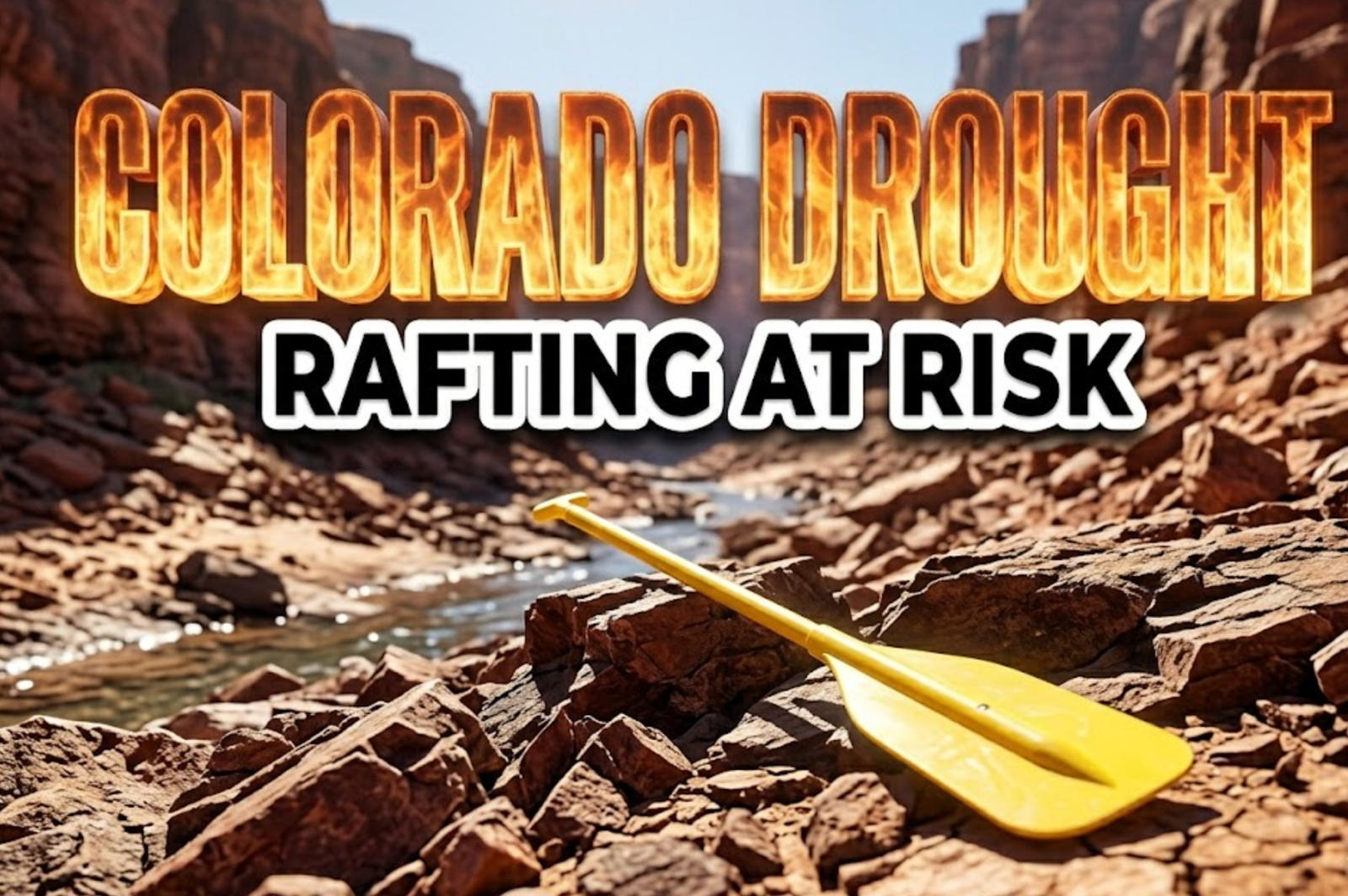
How Lower Water Impacts Local Rafting Companies
Guides across the state are already feeling the heat from these dropping water lines. Some outfitters operating on smaller streams face the harshest reality this summer. Travis Baier owns Rimrock Adventures in the sunny town of Fruita.
He notes that businesses on smaller waterways like the Animas River often suffer first. When water gets too low to float safely, those smaller operations must close shop early.
Many outfitters might completely end their rafting season by June or July this year. This forces eager tourists to change their vacation plans at the very last minute. It also leaves hundreds of seasonal river guides without expected summer income.
Navigating shallow water requires immense skill and physical energy from the guide. They must constantly steer around newly exposed rocks to avoid puncturing the rubber rafts. This turns a relaxing scenic float into an exhausting workout for the entire crew.
However, companies located on the main stem of the Colorado River have a huge advantage. Baier explains that his business survives because massive rivers retain enough water even during severe dry spells.
Pull Quote:
“We have seen other dry years and we still had good business. All those rafters from smaller rivers come up here to float.”
Instead of canceling trips, Rimrock Adventures simply prepares for a slower ride down the valley. The water remains calm and safe regardless of the reduced flow speed.
Economic Ripple Effects on State Tourism
Outdoor recreation brings a massive amount of money into the state economy every single year. River rafting alone attracts hundreds of thousands of thrill seekers globally. Entire mountain towns depend on these daily visitors to keep their local shops open.
State records show that commercial river use reached incredible highs in recent wet years. Over half a million guests bought tickets for commercial river trips during the peak season. This massive crowd generated hundreds of millions of dollars in total economic impact.
When rafting companies shorten their seasons, the financial loss spreads very fast. Hotels see fewer room bookings from adventure travelers. Local restaurants serve far fewer meals to hungry tourists.
A shortened water season can cost local mountain communities millions in lost summer revenue. Small towns rely on a strong three months of summer traffic to survive the quiet fall season.
Here is a breakdown of how the rafting industry impacts the local economy:
| Economic Sector | Impact Level | Main Revenue Source |
|---|---|---|
| River Outfitters | High | Ticket sales and gear rentals |
| Local Hospitality | High | Hotel stays and campground fees |
| Food and Beverage | Medium | Restaurant dining and grocery trips |
| Retail Stores | Medium | Souvenirs and outdoor clothing sales |
State tourism boards are closely watching these shifting weather patterns. They want to help communities advertise alternative activities if the rivers become too dry to navigate.
Survival Tactics for River Guides This Summer
Changing strategies is the absolute key to surviving in the outdoor tourism industry. Many experienced river guides are shifting their business models to stay profitable. They cannot control the weather but they can control their guest services.
Because the heat arrived early, some companies started offering tube and kayak rentals ahead of schedule. Opening the season early helps businesses capture revenue before the water levels drop too low.
Rafting companies are investing heavily in different types of floating equipment this year. Many outfitters now provide inflatable kayaks and small paddle boards for shallow conditions. These smaller vessels glide easily over hidden rocks that would trap a large commercial raft.
Other outfitters are changing their standard route maps completely to find deeper water.
Here are the top strategies companies are using right now:
- Moving daily trips to deeper sections of the main river channels.
- Offering smaller boats that require less water depth to float safely.
- Focusing heavily on early morning trips before the afternoon heat peaks.
- Promoting alternative activities like mountain biking or hiking tours.
Communication with guests is also becoming a massive priority for business owners. Offices are calling customers weeks in advance to explain the changing river conditions. Setting realistic expectations ensures that tourists still have a wonderful vacation experience.
The calm waters of the Ruby Horsethief canyon remain a popular backup option. The experience might be slower but customers still get to enjoy beautiful nature safely. Guides remain highly optimistic that they can provide great memories despite the dry weather.
The changing weather continues to challenge the beloved summer traditions of the rocky mountains. While early melting snow threatens to cut trips short, the hard work of local guides ensures that adventure still awaits those willing to adjust. Protecting our waterways has never been more important for the future of outdoor exploration. Share your favorite river memories and support local outfitters this summer by using the hashtag #ColoradoRafting on your social media pages.