
Grand Junction, Colo. – The Colorado Department of Public Health and Environment (CDPHE) announced this week that the Colorado Food Program served more than 15 million meals and snacks to children and adults across the state in the last fiscal year alone.
The milestone comes as Colorado joins the nation in celebrating National Child and Adult Care Food Program Week, putting a spotlight on one of the country’s most effective tools against hunger in childcare settings and senior care facilities.
What Exactly Is the Colorado Food Program?
Most Coloradans know it simply as the Colorado Food Program, but it is the state’s version of the federal Child and Adult Care Food Program (CACFP).
The program reimburses licensed childcare centers, family childcare homes, after-school programs, emergency shelters, and adult day care centers for serving nutritious meals that meet strict USDA guidelines.
In 2023-2024, Colorado providers claimed reimbursement for 15,062,114 meals and snacks – a new state record.
That number represents real food on real plates: breakfasts with whole grains and fruit, lunches packed with vegetables and lean protein, and afternoon snacks that keep kids fueled for homework or play.
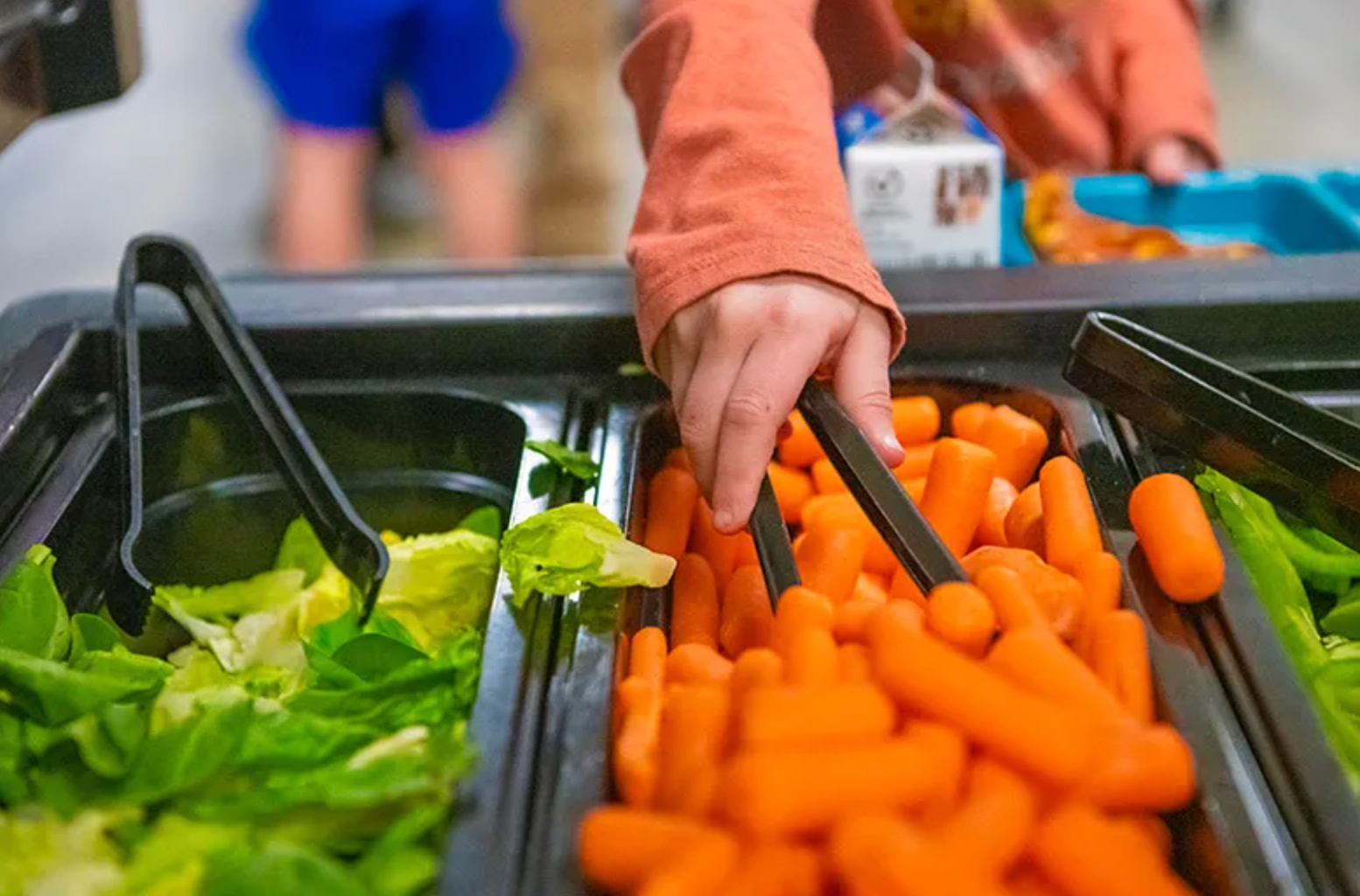
Who Benefits Most From These Meals?
The reach is massive and remarkably equitable.
More than 1,500 sponsoring organizations and independent centers participate, from urban Denver daycare centers to tiny home-based providers in rural Delta County.
Roughly 120,000 children and several thousand seniors eat through the program every single day the sites are open.
In low-income neighborhoods the impact is even deeper. Families who qualify for higher reimbursement rates (Tier 1) often pay little or nothing for care because food costs are covered.
“It removes one huge worry for working parents,” said Cierra Presley, a Colorado Food Program nutrition consultant based in Grand Junction. “They know their child is getting balanced meals even when money is tight at home.”
How Providers Say the Program Changed Their Business
Ask any participating provider and they’ll tell you the same thing: the reimbursements keep doors open.
Childcare costs in Colorado remain among the highest in the nation. Without CACFP money, many centers would have to raise rates or cut corners on food quality.
Home-based provider Maria Sanchez in Pueblo runs a small daycare for eight children. She receives about $4,200 every month in meal reimbursements.
“That money pays for groceries and then some,” Sanchez said. “I can buy fresh fruit every week instead of whatever is cheapest. The kids notice the difference.”
Larger centers report similar stories. The Denver Public Schools Early Childhood Education department served nearly 2.8 million meals through CACFP last year alone.
The Bigger Picture: Fighting Child Hunger One Plate at a Time
Colorado still ranks poorly in child food insecurity compared to many states.
One in eight Colorado kids faced hunger risk in 2023, according to the latest USDA data.
CACFP is quietly moving the needle.
Participation in Colorado has grown 18 percent since 2019, largely because the state simplified paperwork during the pandemic and never fully rolled back the easier rules.
The result? Thousands more kids eating vegetables they might never see at home.
Nutrition consultants like Presley visit centers regularly to train staff on menu planning and food safety. They celebrate small wins: a toddler trying carrots for the first time, a senior center resident asking for seconds on salad.
“These aren’t just numbers on a spreadsheet,” Presley said. “Every claim form represents a child who went home full and ready to learn.”
The program also creates jobs. Colorado employs dozens of monitors, trainers, dietitians, and administrative staff just to keep the system running smoothly.
What’s Next for Colorado’s Landmark Program?
State officials say they want to keep growing.
CDPHE is actively recruiting new providers in underserved areas, especially rural counties where childcare deserts remain a serious problem.
They are also rolling out new training on plant-based meals and reducing added sugar, changes that reflect shifting federal guidelines.
Providers who want to join can still sign up year-round. The process takes a few weeks and includes free training.
Contact number: 303-692-2330
Website: coloradofoodprogram.org
This quiet Colorado success story rarely makes headlines, yet it touches more families than almost any other state program.
Fifteen million meals later, children across the state are growing stronger, seniors are staying healthier, and working parents have one less thing to worry about when they drop their kids off each morning.
That’s the real Colorado miracle: turning federal dollars into daily acts of care, one breakfast, lunch, and snack at a time.
What do you think about programs like this? Are they making enough difference in your community? Drop your thoughts in the comments below.