
News
Colorado Bill Expands Loan Program to Save Farmland for New Farmers

A bipartisan bill that just cleared both the Colorado House and Senate could become one of the most important tools yet for keeping young people in farming. SB24-064 (the bill number was misreported in some early stories as SB26-064) expands the Colorado Agricultural Future Loan Program so water districts and irrigation companies can borrow state-backed low-interest funds to buy threatened farmland, protect it forever with a conservation easement, and then sell it at a steep discount to the next generation of farmers and ranchers.
Governor Jared Polis has until early June to sign or veto the measure. Given his strong record on agriculture and rural issues, most observers expect his signature.
This is the clearest answer Colorado has produced yet to the painful reality that hundreds of thousands of acres of farmland are disappearing every few years to housing and solar farms.
How the Expanded Program Actually Works
The mechanics are elegant and practical.
Water conservancy districts, ditch companies, reservoir companies, and irrigation districts become eligible borrowers under the existing Agricultural Future Loan Program.
These public or quasi-public entities use the low-interest loan to purchase farmland that is actively listed for sale or in danger of development.
They immediately place a perpetual conservation easement on the property (locking out future subdivision or commercial development forever).
The district then sells the now-protected land to a beginning farmer or rancher at a price that reflects the reduced development value, often 40-60% below market rate.
The farmer gets affordable land that must stay in agriculture. The district pays back the loan over time, often using the proceeds from the sale plus any tax benefits from the easement donation.
Rep. Matt Soper, the Delta County Republican who carried the bill in the House, calls it “using a little bit of state money to leverage a whole lot of private and local money to keep land in farming forever.”
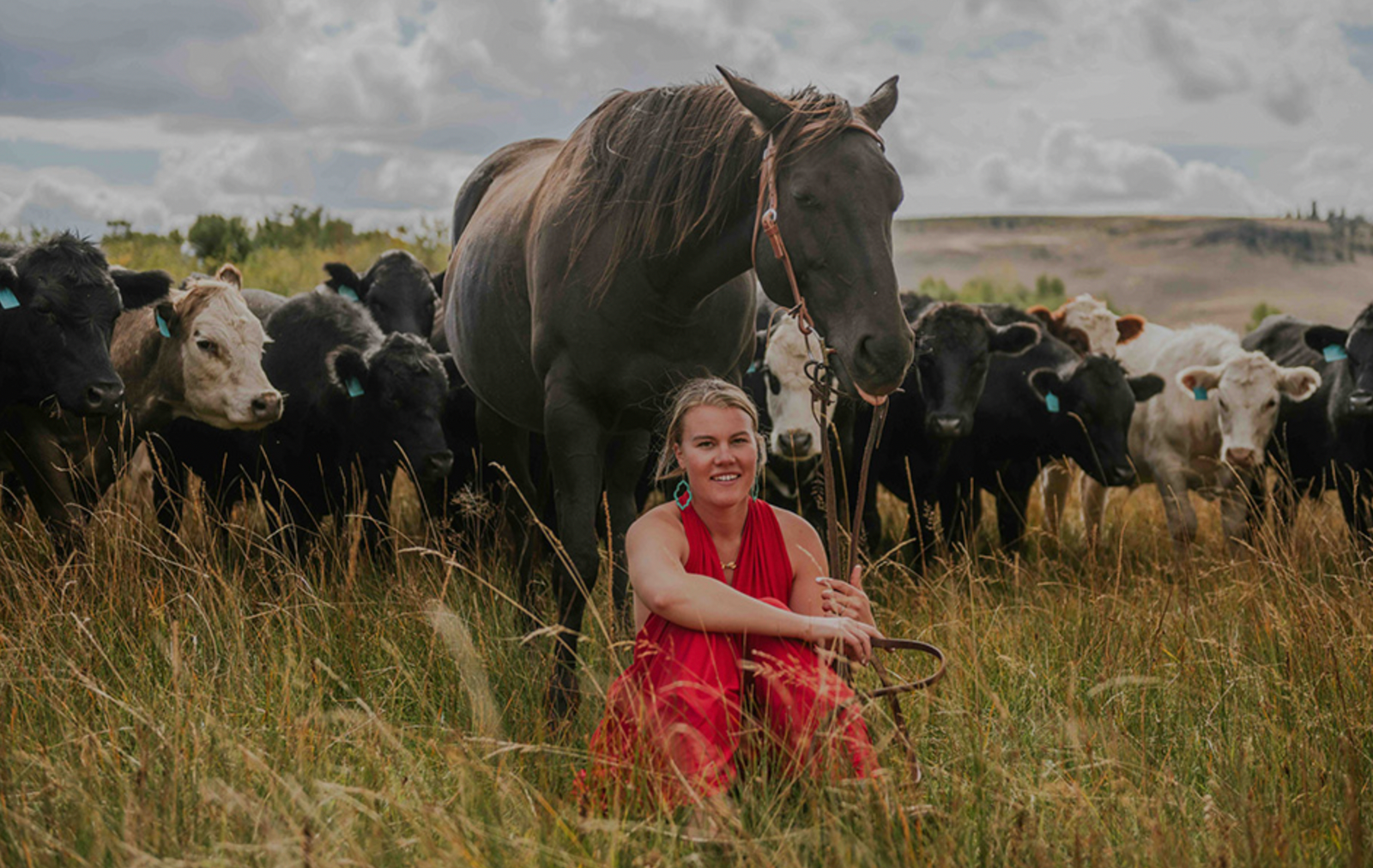
The Numbers Are Brutal: Colorado Keeps Losing Farms
Colorado lost another 1.6 million acres of agricultural land between 1997 and 2022, according to the latest American Farmland Trust report. That is an area larger than the entire state of Delaware.
In the last five years alone, the state has been paving over or developing roughly 50,000 acres of farmland every single year.
On the Western Slope, prime peach and wine-grape ground around Palisade and Delta now routinely sells for $40,000 to $80,000 an acre when developers show up with subdivision plans.
For a young person trying to start farming, those prices are simply impossible without inherited wealth.
The average age of a Colorado farmer is now 59 and climbing. Without aggressive action, entire counties risk losing the critical mass of producers needed to keep packing houses, equipment dealers, and processing plants viable.
Western Slope Lawmaker Sounds the Alarm
“Nobody is making more farmland,” Rep. Soper told reporters after the unanimous House vote. “Once it’s gone, it’s gone forever. We have kids who grew up here, who know how to farm, who want to farm, but they can’t compete with a developer who will pay triple for the same ground.”
Soper pointed to real examples in his district where orchard ground was sold in 2023 and the trees were bulldozed within weeks for housing pads.
He also noted the bill helps every kind of producer: row-crop farmers on the Eastern Plains, cattle ranchers in the northwest, organic vegetable growers in the Arkansas Valley, and vineyard owners on both slopes.
Broad Support Shows Colorado Still Values Its Agricultural Roots
The bill sailed through the Senate on a voice vote and passed the House 62-0. Sponsors include Republicans and Democrats from rural and urban districts alike.
Senate President Steve Fenberg and Speaker Julie McCluskie both signed on as co-sponsors, a rare show of unity in a session that saw plenty of partisan fights.
Agriculture may no longer be Colorado’s largest industry by dollars (tourism and tech have passed it), yet it still pumps roughly $47 billion into the economy annually when multiplier effects are counted, and it remains the cultural heartbeat of rural Colorado.
What Happens If Polis Signs
Once signed, the Department of Agriculture can immediately begin accepting applications from water districts and irrigation companies.
The original Agricultural Future Loan Program still has roughly $35 million available after the 2024 appropriation. Expanding eligibility is not expected to require significant new state dollars in the first few years because the loans revolve: they get paid back and re-lent.
Early candidates already exist. Several Western Slope water districts have told lawmakers they have specific properties in mind that are listed right now and could close before fall if funding were available.
Colorado is losing its farmland at an alarming rate, and the people who want to feed us cannot afford to buy in. This bill hands them a fighting chance by letting trusted local entities step in and lock the land into agriculture forever.
It is practical, bipartisan, and urgently needed.
Farming is not just a business in Colorado. It is who many of us are. Protecting the land for the next generation is not sentimental. It is survival.
What do you think: Will this program make a real difference, or do we need even bigger tools to save Colorado agriculture? Drop your thoughts in the comments.










Spotify Running Mode hits Android and revives its old tempo experiment

Galaxy Tab S12 Ultra Renders Keep the Notch Fans Hate

Novato Spinning Round House Sells With Six Neighbors for $3.3 Million

Crop Tour Finds Indiana and Nebraska Corn Yields Lagging 2025

Best Buy 60th sale brings Android deals back to its roots

American Airlines reverses seatback screen bet years too late

Iran Hormuz Strikes Force Gulf Oil Onto Costlier Paths

Plague Tale Prequel Day One Joins Game Pass Wave 2 as Witcher Exits

NBA 2K27 opens The City to everyone and rewrites career eras

iOS 26.6.1 Patches 29 Flaws as AI Forces Faster Apple Updates

Double Fine Cuts 23 Jobs Weeks After Xbox Independence

Day-One Big Walk Lifts PS Plus August Beyond Recycled AAA

John Hight Exits Wizards After Digital Reckoning Hits

Curtis Mead’s Red Sox Debut Ends With Fractured Wrist

Moesch and Dressel Rewrite Night One at 2026 U.S. Nationals

Red Sox Squander Hot Streak Chance in 4-3 Loss to Athletics

Boutte’s Quiet Camp Takeover Forces Patriots Receiver Choices

Take-Two CEO Pushes Netflix Subs for GTA 6 Extended Look

Halo Campaign Evolved Skulls Meet Death Barriers That Kill the Hunt

Wildlands Free Update Hands Players the Tools They Already Invented
-

 TECHNOLOGY3 years ago
How to Adjust a Bulova Watch Band – An Easy Guide
-

 News3 years ago
Fred Pentland: Athletic Bilbao’s English mentor who changed the essence of Spanish football
-

 FINANCE3 years ago
Tax Planning for Every Season: Guide to Maximizing Your Tax Benefits
-

 Education3 years ago
African Ministers New Education Plan
-

 BUSINESS3 years ago
What is Entrepreneurial Operating System? A Comprehensive Guide to EOS
-

 Education3 years ago
Innovate Your Learning Journey with Technology and Enhance Education
-

 News3 years ago
Russians formally out of World Athletics Championships
-

 BUSINESS3 years ago
Top 9 Most Expensive American Cities to Rent an Apartment