
News
Colorado Joins Multistate Lawsuit Against 23andMe Over Genetic Data Auction

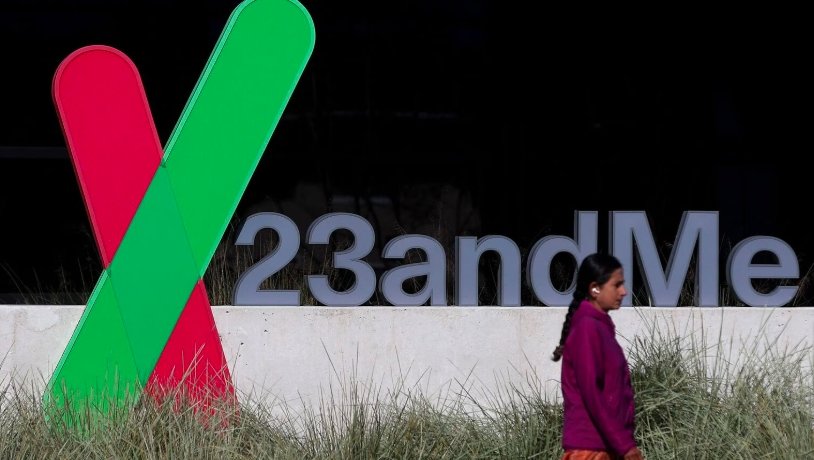
GRAND JUNCTION, Colo. (KJCT) — Colorado is among 29 states taking legal action against embattled DNA testing company 23andMe, after revelations emerged that the bankrupt firm intends to sell off sensitive genetic and health data from approximately 15 million users as part of its asset liquidation process.
Bankruptcy Fallout: Genetic Data Up for Grabs
Once a leader in the direct-to-consumer genetic testing boom, 23andMe filed for Chapter 11 bankruptcy earlier this year amid mounting legal, financial, and data security challenges. Now, in a controversial move, the company is planning to auction off user data—including detailed personal information about individuals’ ancestry, health predispositions, and familial connections.
Colorado Attorney General Phil Weiser called the move both unethical and unlawful.
“When you give that information, you’re not thinking it’s getting auctioned off to the highest bidder,” Weiser said. “But now that the company is in bankruptcy, that’s what they plan to do. That’s not okay. That’s illegal.”
Privacy in the Crosshairs
The lawsuit, spearheaded by attorneys general from multiple states, alleges that 23andMe is violating state consumer protection and data privacy laws by attempting to offload genetic profiles to external buyers. The concern is that deeply sensitive DNA and health data could fall into the hands of insurers, pharmaceutical companies, or marketing firms, potentially resulting in discrimination or unauthorized use.
Privacy experts say the case could set a precedent for how biometric and genetic data is handled in future bankruptcies.
“Your DNA is the most personal data you can give,” said a Colorado legal expert not involved in the case. “It doesn’t just identify you—it implicates your children, your siblings, your parents. Selling that kind of information shouldn’t even be on the table.”
23andMe Responds: “No Cause for Alarm”
In a statement provided to KJCT News 8, a spokesperson for 23andMe dismissed the states’ legal concerns, stating:
“Customers will continue to have the same rights and protections in the hands of the winning bidder. Both remaining bidders are U.S. companies, have committed to abide by 23andMe’s privacy policies, and will continue to operate 23andMe as it has always been operated.”
Despite this reassurance, critics argue that corporate privacy policies can be modified, and bankruptcy proceedings often give wide latitude to debtors to restructure or liquidate core assets—including, in this case, genetic databases.
What’s at Stake?
-
15 million users’ data: Including names, family connections, genetic markers, disease risk assessments, and wellness reports.
-
Potential misuse: Data could be mined for targeted advertising, insurance risk profiling, or pharmaceutical development without consent.
-
Legal precedent: The case could redefine how personal biological data is treated during financial collapse.
Users in the Dark
Many current and former 23andMe users say they weren’t aware their information could become a bargaining chip in a bankruptcy court.
“I trusted them with my DNA,” said a former customer in Boulder. “I would’ve never signed up if I thought that someday it might end up in the hands of a private equity firm.”
Social media platforms are already filled with users asking how to delete their data or revoke consent, but it’s unclear whether that’s still possible under bankruptcy law.
Looking Ahead
While the case unfolds, the sale of 23andMe’s assets—including its massive DNA database—has not yet been finalized. Two U.S.-based bidders are reportedly in the final stages of the auction, and both have promised to uphold existing privacy terms. Still, states like Colorado are pushing for stricter safeguards, user notification requirements, and even possible deletion of data upon request.
As AG Weiser puts it, “This is about more than one company. It’s about how we protect people’s most intimate information in the digital age.”













Halo Campaign Evolved Skulls Meet Death Barriers That Kill the Hunt

Spotify Running Mode Returns After the 2015 Experiment Failed

Amazon AWS Hits Fastest Growth in Years as AI Spend Pays Off

Amazon Bets Platform Beats Models in the AI Race

Apple C2 Modem Edges Into iPhone 18 Pro After Qualcomm Drop

Google Earth Adds Nano Banana 2 to Reimagine Real Places

Apple Upgrade Turns Phones Into Monthly Utility Bills

Asha Sharma Bets Xbox Growth on Console and Four C’s

MacBook Ultra Design Follows Apple’s Familiar Cascade Path

TAG Heuer Carrera x Team Ikuzawa Revives 1970s Roadmaster Stopwatch DNA

Pokémon GO Developer Niantic Rebrands as Scopely Explore

Jaylen Brown Traded to 76ers for Paul George and Four Draft Picks

Doom Studio id Software Cuts Half Its Staff in Xbox Layoffs

Nintendo Switch Online Adds Four Classics and One Japan-Only Title

Jordan Henderson Hospitalized After Wrist Injury at the Azteca

Mexico’s World Cup Run Ends at Azteca as England Hold On 3-2

Meta’s Muse Image Lets Anyone Use Your Instagram Photos in AI

Louis Vuitton Beats Molly Tea in China, Triggers Cultural Backlash

Pink Bearista Cup Returns July 13 as Starbucks Pink Vibes Drops

Samsung Sets Galaxy Unpacked for July 22 in London With a Wider Fold
-

 TECHNOLOGY3 years ago
How to Adjust a Bulova Watch Band – An Easy Guide
-

 News3 years ago
Fred Pentland: Athletic Bilbao’s English mentor who changed the essence of Spanish football
-

 FINANCE3 years ago
Tax Planning for Every Season: Guide to Maximizing Your Tax Benefits
-

 Education3 years ago
African Ministers New Education Plan
-

 BUSINESS3 years ago
What is Entrepreneurial Operating System? A Comprehensive Guide to EOS
-

 Education3 years ago
Innovate Your Learning Journey with Technology and Enhance Education
-

 News3 years ago
Russians formally out of World Athletics Championships
-

 BUSINESS3 years ago
Top 9 Most Expensive American Cities to Rent an Apartment