
News
Wine and Wildfire Smoke: How Colorado Vintners Are Bracing for the Unexpected

Winemakers in western Colorado are keeping one cautious eye on the sky. With wildfires burning across the region again, the fear isn’t just flames — it’s flavor.
Smoke, when it lingers long enough, doesn’t just cloud the horizon. It seeps into the vineyards. And when it lands on grapes nearing harvest? That’s when wine starts to taste… different.
Smoke on the Vine, Not Just in the Air
At first glance, wildfire smoke and grape sugar don’t seem like a likely pairing. But ask any winemaker in Palisade — it’s a real issue.
“What’s going to happen is when the smoke is hanging in the atmosphere, the grape is going to absorb this smoke there. And it’s going to actually attach to the grape sugars,” said Patric Matysiewski, Cofounder and Winemaker at Sauvage Spectrum.
That means smoke compounds can wind up in the wine itself — not just around it. And not all smoky wine is a pleasant surprise. Sometimes it’s just… off.
Scott High, who runs Colterris Winery nearby, explained it plainly: “When you’re really close to harvest, that can get into the wine making process. And it would have a little bit of a smoky character. Could be found in the wine on occasion.”
It’s not guaranteed, but it’s definitely possible.
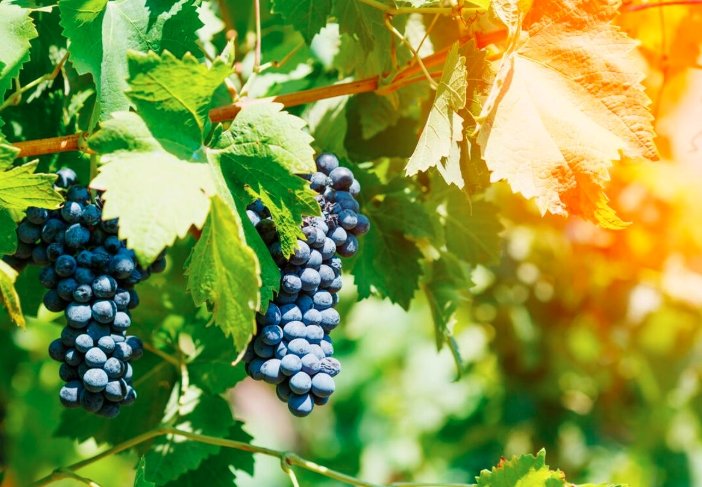
Close Fires = Real Problems
It’s not the first time Palisade’s vineyards have had to deal with wildfire fallout. And some vintages tell the story better than others.
A few years back, wildfires swept near De Beque Canyon and Horse Mountain. Those flames didn’t reach the grapes directly, but the smoke sure did.
“We were a lot more concerned a few years ago,” said High. “We had much more intense smoke fall out and ash fall out from those fires. And we were much more concerned about it at that time.”
That time, the smoke didn’t just hover — it dumped ash across the vineyards. It was visible. Tangible. And yes, it made its way into some barrels.
Can It Be Fixed? Sort of
All isn’t lost when smoke taints a harvest — but salvaging it takes extra work.
Matysiewski detailed how they’ve handled it before. “What we ended up having to do is get a specialized product to drop that flavor out to correct it,” he said. “And then blend it out with cleaner wine that was picked at a later time.”
Basically, they don’t throw it all out. They filter it, fix it, and blend it. It’s a patch — not a cure.
Rain: The Winemaker’s Secret Weapon
For now, the situation isn’t dire. The grapes are still maturing. Harvest is weeks away — maybe even months for some varietals.
That leaves room for nature to play its part. A bit of rain could go a long way.
“We’re still 50, 60, 70 days away from starting to harvest our different grape varieties,” said High. “So I think maybe a little bit of rain to wash it all away and I think we’ll be fine.”
Matysiewski echoed that optimism. “Looking at it right now, it shouldn’t be affecting us this year, which is great. And hopefully we can get some rain.”
The Science of Smoke Taint
Winemakers and scientists alike have been studying smoke taint for years — especially as wildfires have become more frequent across wine regions like Napa, Oregon, and now, Colorado’s Grand Valley.
Here’s how the risk stacks up depending on timing and exposure:
| Stage of Grape | Smoke Risk Level | Explanation |
|---|---|---|
| Pre-veraison (early growth) | Low | Grapes still hard and less absorbent |
| Mid-season | Moderate | Sugar levels rise; smoke begins sticking |
| Close to Harvest | High | Soft skins + sugar = fast smoke uptake |
And remember, not all grapes react the same. Thinner-skinned varietals like Pinot Noir and Syrah are more prone to smoke taint. Thicker-skinned grapes like Cabernet can resist it longer — but not forever.
What Growers Are Watching Right Now
The 2025 growing season started strong. Vines came out of dormancy with decent moisture. Pests have been manageable. And sunshine? Plenty.
Still, with wildfire season heating up, here’s what Colorado vintners are tracking:
-
Wind direction and smoke drift from nearby fires
-
Proximity of active fires to vineyard blocks
-
Ash fallout after heavy smoke days
-
Rain forecasts over the next 6–8 weeks
-
Timing of veraison — when grapes start ripening
So far, grapes are doing well. But nothing is guaranteed in winemaking. Especially not when fire’s involved.










Spotify Running Mode hits Android and revives its old tempo experiment

Galaxy Tab S12 Ultra Renders Keep the Notch Fans Hate

Novato Spinning Round House Sells With Six Neighbors for $3.3 Million

Crop Tour Finds Indiana and Nebraska Corn Yields Lagging 2025

Best Buy 60th sale brings Android deals back to its roots

American Airlines reverses seatback screen bet years too late

Iran Hormuz Strikes Force Gulf Oil Onto Costlier Paths

Plague Tale Prequel Day One Joins Game Pass Wave 2 as Witcher Exits

NBA 2K27 opens The City to everyone and rewrites career eras

iOS 26.6.1 Patches 29 Flaws as AI Forces Faster Apple Updates

Double Fine Cuts 23 Jobs Weeks After Xbox Independence

Day-One Big Walk Lifts PS Plus August Beyond Recycled AAA

John Hight Exits Wizards After Digital Reckoning Hits

Curtis Mead’s Red Sox Debut Ends With Fractured Wrist

Moesch and Dressel Rewrite Night One at 2026 U.S. Nationals

Red Sox Squander Hot Streak Chance in 4-3 Loss to Athletics

Boutte’s Quiet Camp Takeover Forces Patriots Receiver Choices

Take-Two CEO Pushes Netflix Subs for GTA 6 Extended Look

Halo Campaign Evolved Skulls Meet Death Barriers That Kill the Hunt

Wildlands Free Update Hands Players the Tools They Already Invented
-

 TECHNOLOGY3 years ago
How to Adjust a Bulova Watch Band – An Easy Guide
-

 News3 years ago
Fred Pentland: Athletic Bilbao’s English mentor who changed the essence of Spanish football
-

 FINANCE3 years ago
Tax Planning for Every Season: Guide to Maximizing Your Tax Benefits
-

 Education3 years ago
African Ministers New Education Plan
-

 BUSINESS3 years ago
What is Entrepreneurial Operating System? A Comprehensive Guide to EOS
-

 Education3 years ago
Innovate Your Learning Journey with Technology and Enhance Education
-

 News3 years ago
Russians formally out of World Athletics Championships
-

 BUSINESS3 years ago
Top 9 Most Expensive American Cities to Rent an Apartment