Colorado State Patrol has issued a fresh warning to drivers about the dangers of wildlife crashes as winter sets in, highlighting a sharp rise in such incidents during colder months. With 431 wildlife related crashes reported across the state last December, officials stress the need for extra caution on roads where animals like deer, elk, and smaller creatures are more active due to migration and food searches.
Spike in Winter Wildlife Incidents
Recent data shows a clear uptick in wildlife vehicle collisions during Colorado’s winter season, driven by shorter days and animals moving to lower elevations. Last year, the state saw thousands of these crashes, with a notable increase from November through February when snow pushes wildlife onto roadways.
Experts point out that certain areas, like mountain passes and rural highways, become hotspots. For instance, routes such as Interstate 70 experience a dramatic 267 percent spike in accidents during winter, making it one of the nation’s riskier roads. This trend ties into broader weather challenges, including icy conditions that slow driver reactions.
In 2025, early reports already indicate similar patterns, with patrols responding to multiple incidents involving pronghorn and other species after recent storms. These crashes not only damage vehicles but also lead to injuries, underscoring the urgency of awareness as holiday travel ramps up.
Key Times and Animals Involved
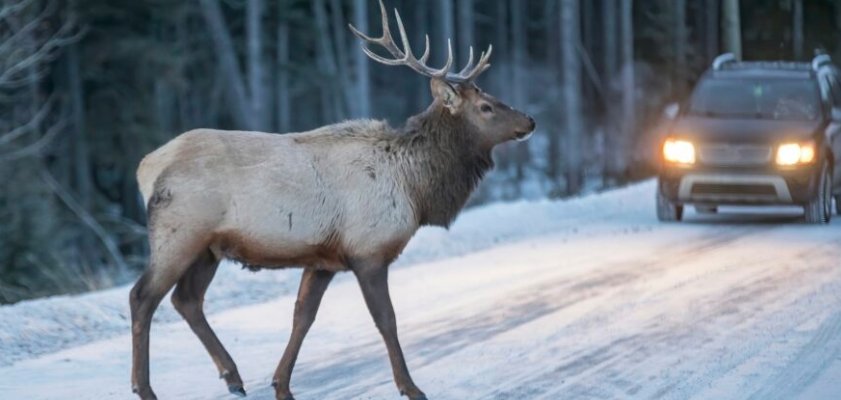
Wildlife crashes often happen during low light hours, specifically between 3 p.m. and 7 p.m. in the evening and 5 a.m. to 9 a.m. in the morning, when animals are most active. Dawn and dusk amplify risks as visibility drops and drivers may be fatigued.
Colorado’s diverse terrain means encounters vary by region. In mountainous areas, deer and elk pose the biggest threats, while plains might see more turkeys, raccoons, or even bears crossing paths.
| Time of Day | Common Animals | Risk Level |
|---|---|---|
| Dawn (5-9 a.m.) | Deer, Elk | High |
| Dusk (3-7 p.m.) | Turkeys, Raccoons | High |
| Nighttime | Bears, Smaller Mammals | Moderate to High |
This table illustrates peak periods and species, based on patrol observations, helping drivers anticipate dangers.
Safety Tips from State Patrol
To cut down on these accidents, Colorado State Patrol offers practical advice that can save lives and prevent costly repairs. Maintaining speed limits is crucial, as speeding reduces reaction time on slippery roads.
Using high beams when no other cars are around improves visibility for spotting animals early. If wildlife appears, drivers should brake firmly but avoid swerving out of lane to prevent worse collisions with traffic.
Here are some essential tips:
- Slow down in known wildlife zones, especially after storms when animals seek cleared roads.
- Stay alert during migration seasons and use vehicle horns to scare animals away if safe.
- Ensure tires meet the state’s updated traction laws for better grip in snow.
Patrols also emphasize preparing vehicles for winter, including checking brakes and lights, which ties into broader safety campaigns launched this year.
Following these steps has proven effective, with some areas seeing fewer incidents after public awareness drives.
Impact on Vehicles and Drivers
Hitting wildlife can cause severe damage, from dented hoods to totaled cars, especially with larger animals like elk that weigh hundreds of pounds. Even smaller creatures can disable a vehicle by hitting critical parts, leading to breakdowns in remote spots.
Beyond property loss, these crashes contribute to injuries and fatalities. In 2025, early data suggests economic costs running into millions for repairs and medical bills, not to mention the toll on local wildlife populations.
Recent events, such as multi vehicle pileups triggered by sudden stops for animals during blizzards, highlight how these incidents can cascade into larger emergencies. Drivers in critical sectors, like those near power grids or healthcare routes, face added risks that could disrupt services.
Efforts to Reduce Collisions
Colorado is taking proactive steps to address this issue, including building wildlife overpasses that have cut crashes by up to 90 percent in tested areas. These structures allow animals to cross safely above highways, with new ones added in 2025 along busy corridors.
Partnerships between state agencies and local groups promote fencing and signage in high risk zones. Public education campaigns, ramped up this winter, aim to inform drivers through media and community events.
These initiatives build on successes from past years, where similar measures reduced reported collisions by thousands annually.
What to Do After a Crash
If involved in a wildlife collision, pull over safely and contact law enforcement right away. Staying in the vehicle prevents further accidents, and clearing exhaust pipes avoids carbon monoxide buildup in snow.
Report the incident for insurance purposes, as many policies cover animal related damage. Officials advise against approaching injured wildlife, leaving that to professionals.
As winter deepens in 2025, these warnings come at a key time with more snow expected. Share this article with fellow drivers and comment below on your winter road experiences to help spread awareness.