Scientists in Antarctica have uncovered a 66 million year old fossil egg, the largest reptile egg ever found, laid by a massive sea lizard called a mosasaur. This breakthrough, detailed in a recent study, changes what experts know about how these ancient creatures reproduced and lived in prehistoric oceans.
The Stunning Discovery That Shocked Researchers
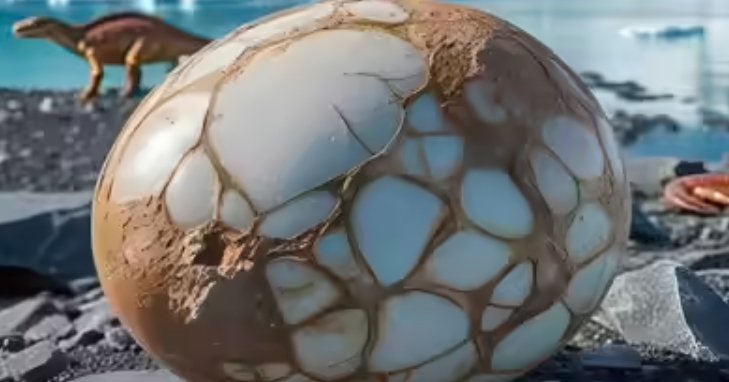
Back in 2011, a team of Chilean scientists found a strange fossil on Seymour Island in Antarctica. It looked like a deflated football, about 11 inches long and 7 inches wide, and sat unlabeled in a museum for years.
Experts nicknamed it “The Thing” because no one could figure out what it was. Then, in a new analysis published this year, researchers used microscopes to pierce its soft shell and confirmed it as an egg from the Cretaceous Period.
This egg is not just big, it is the second largest egg of any known animal, beaten only by the extinct elephant bird from Madagascar. The find proves that giant marine reptiles laid soft shelled eggs, similar to those of modern lizards and snakes.
What the Egg Tells Us About Mosasaurs
Mosasaurs were fierce predators that ruled the seas during the dinosaur era. These reptiles could grow up to 50 feet long, with powerful jaws and flippers for swimming.
The egg suggests the mother mosasaur was even larger, perhaps over 20 feet long to lay something this size. Scientists think she gave birth in shallow waters near Antarctica, which was warmer back then.
Here are key facts about mosasaurs based on fossil records:
- They lived from about 82 to 66 million years ago and went extinct with the dinosaurs.
- Mosasaurs ate fish, sharks, and even other reptiles, using sharp teeth to hunt.
- Some species had tails like crocodiles, helping them move fast in water.
- Fossils show they breathed air, like modern whales, and likely gave live birth in some cases, but this egg proves egg laying happened too.
This discovery links mosasaurs closer to modern reptiles than to dinosaurs, which laid hard shelled eggs.
How Scientists Cracked the Mystery
For nearly a decade, the fossil puzzled experts. They compared it to over 250 modern reptile eggs and used advanced scans to study its structure.
The soft shell was a clue, as it matched eggs from snakes and lizards, not birds or dinosaurs. Researchers ruled out other possibilities, like it being a rock or plant remains.
A team from the University of Texas and other institutions led the study. They found tiny embryo bones inside, hinting at a baby mosasaur ready to hatch underwater.
This fits with evidence that mosasaurs were viviparous in some species, but egg laying adds a new layer to their biology. The Antarctica location also shows these creatures roamed far south, in areas once covered by ancient seas.
Comparing This Egg to Others in History
Egg fossils are rare, especially from marine animals. This one stands out for its size and age.
| Egg Type | Size (inches) | Animal | Time Period | Location Found |
|---|---|---|---|---|
| Elephant Bird | 13 x 9 | Extinct Bird | Recent (up to 1,000 years ago) | Madagascar |
| Mosasaur Egg | 11 x 7 | Sea Lizard | 66 million years ago | Antarctica |
| Dinosaur (e.g., Oviraptor) | 8 x 4 | Land Dinosaur | 75 million years ago | Asia |
| Modern Ostrich | 6 x 5 | Bird | Present | Africa |
| Sea Turtle | 2 x 2 | Reptile | Present | Worldwide Oceans |
As the table shows, the mosasaur egg dwarfs most others, except the elephant bird. It is the biggest soft shelled egg ever, rewriting books on reptile evolution.
Experts say this could lead to more finds, as soft shells preserve poorly compared to hard ones. Similar eggs might hide in other cold, remote spots.
Why This Matters for Science and the Future
This egg discovery shakes up ideas about ancient life. It proves giant reptiles laid eggs in ways like today’s animals, helping explain how they adapted to ocean life.
It also ties into current climate talks, as Antarctica’s fossils show how warmer past climates supported diverse life. With global warming melting ice, more treasures might emerge, aiding research on extinction events.
Paleontologists hope this inspires new digs in polar regions. For now, it reminds us that Earth’s history holds many surprises, even in frozen wastelands.
The find connects to recent fossil news, like a 2025 study on ancient shark teeth in the Arctic, showing how warming reveals old secrets.
Ongoing Questions and What Comes Next
Not everything is solved. Scientists debate if all mosasaurs laid eggs or if some gave live birth. The exact species of this mosasaur remains unclear, though size points to a giant one.
Future tech, like better DNA analysis, might reveal more. For now, museums plan displays to share this with the public.
This story shows science’s thrill, turning mysteries into knowledge. Share your thoughts in the comments: What ancient creature fascinates you most? Spread the word to fellow history buffs.