
News
Sun’s Out, River’s Cold: Why Early Season Floating in Grand Junction Could Be Deadly

The forecast for Grand Junction this weekend looks perfect. With temperatures expected to soar into the 80s, the temptation to grab a tube or paddleboard and hit the Colorado River is undeniable. But local safety experts and fire officials are sounding a loud alarm: don’t let the warm air fool you. The water is still dangerously cold, and the river is hiding fresh hazards that could turn a fun afternoon into a tragedy.
“One of the great privileges of living in our community is being able to recreate on the Colorado River,” says Dirk Clingman, Public Information Officer for the Grand Junction Fire Department. “And as temperatures increase, people are getting out. It’s vitally important to prepare before you spend the day floating or recreating on the river.”
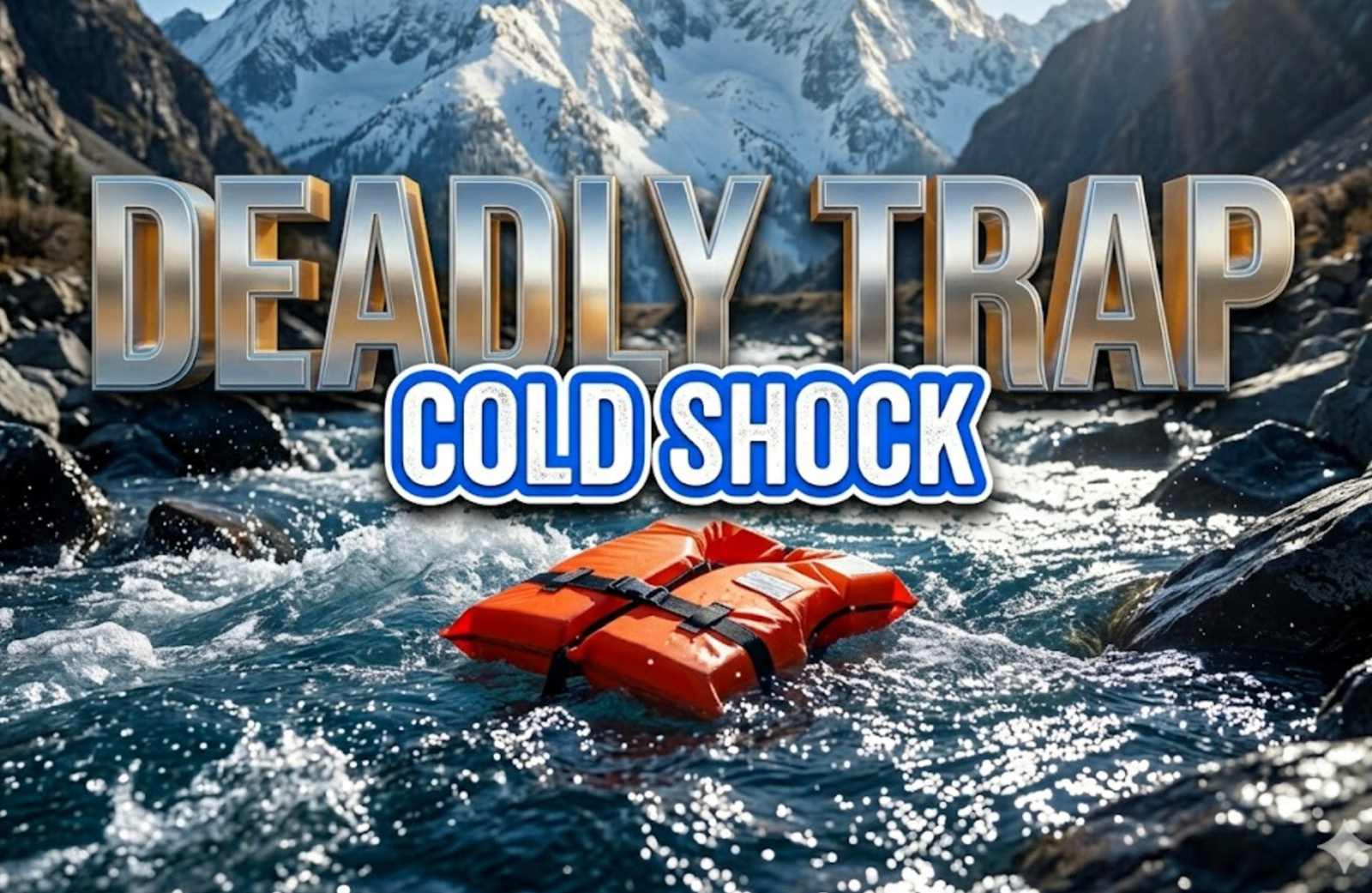
While the air might feel like summer, the river is very much stuck in winter. Current water temperatures are hovering between 41 and 47 degrees Fahrenheit. This massive gap between air and water temperature creates a “thermal trap” for recreators. If you fall in, your body experiences immediate cold water shock. This causes an involuntary gasp reflex. If your head is underwater when you gasp, you can inhale water and drown instantly, regardless of how strong a swimmer you are.
The Law Is Clear: Wear Your Life Jacket
On the Colorado River, wearing a life jacket is not just a suggestion. It is the law. Unlike some lakes where you only need to have a jacket on board, this stretch of river requires you to wear it. The cold water shock mentioned above makes this law even more critical. If you gasp and take in water, a Personal Flotation Device (PFD) is the only thing that will keep your head above the surface while you recover.
Clingman emphasizes that simply having a jacket isn’t enough. It needs to be the right size and fit correctly. “Check, make sure that the PFD is snug, that it’s not able to slip off your body,” Clingman advises. “Make sure you are wearing the correct PFD for the activity you are doing.”
Children under 13 are strictly required to wear a life jacket at all times, but officials urge everyone to wear one. Conditions on the river change in seconds. A sudden current shift or a submerged rock can flip a boat before you have time to grab a loose life jacket.
Beware of ‘Strainers’ and Hidden Traps
The river bottom changes every year. As snowpack runoff patterns shift, debris moves and settles in new places. This creates one of the most dangerous river features known as a “strainer.”
“A strainer is anything that can catch somebody in the water floating by and hold them in place, which is an instant drowning hazard and are very, very dangerous,” explains Clingman.
Imagine a kitchen colander. Water flows through it easily, but solid objects get stuck. A fallen tree or a pile of debris in the river acts the same way. The current pushes you into the branches, and the water pressure pins you there. You cannot swim against that force.
If you find yourself sweeping toward a strainer, you must act fast. “If you are caught in a strainer, your immediate goal is to lift yourself over the top of a strainer. You never want to go underwater deeper down in a strainer,” Clingman warns.
The Paddleboard Leash Danger
Stand-up paddleboarding (SUP) is exploding in popularity, but it brings a specific risk to moving water. Many boards come with ankle leashes designed for lakes or ocean surf. Using these on a river can be fatal.
“We encourage you not to use a leash on the river. That could very quickly become tangled and become a hazard,” says Clingman.
If an ankle leash gets wrapped around a submerged rock or branch, the current will push the board downstream, dragging the paddler underwater by their leg. The force of the water makes it impossible to reach your ankle to unclip the leash.
Safe Leash Options for Rivers:
- Quick-Release Belt: Worn around the waist with a large toggle you can pull to detach instantly.
- Breakaway Leash: Designed to snap under a certain amount of pressure.
- No Leash: While you might lose your board, it is better than losing your life.
Essential Gear Beyond the Boat
Preparation goes beyond just the vessel. You need to carry tools that can help you escape a bad situation. Clingman suggests two small but vital pieces of gear: a knife and a whistle.
A knife attached to your life jacket allows you to cut yourself free if you get tangled in a rope, fishing line, or a dangerous leash. It should be easily accessible with one hand. A whistle is your best communication tool. The roar of the river can drown out a scream, but a whistle blast carries over the noise to alert others that you need help.
“Always have the ability to call 911,” Clingman adds. This means carrying a phone in a waterproof bag, ideally secured to your person, not just tossed in the bottom of a kayak where it can float away.
Checking river conditions before you leave the house is your final safety step. Water levels can rise or fall based on dam releases and snowmelt. Low water levels might expose more rocks, while high water increases speed and unpredictability. A few minutes of research can tell you if the river is safe for your skill level.
Enjoy the warm weather, but respect the cold water. A life jacket and a bit of planning are the only things standing between a great weekend and a rescue call.







Walmart’s $50 Million Opioid Settlement Closes Case Without Admission

California Sues Over $120 Million Morro Bay Wind Lease Buyout

Gilead Bixlenvo FDA Nod Opens Single Pill Path for Complex HIV Cases

Meta’s $18B Kids Deal Forever Shields Data Used to Spot Under-13s

Lettuce Outbreak Drove Record Cyclospora Spike Across 20 States

Amazon Shaves $20 Off M6 Mac Mini Before It Even Ships

SpaceX Louisiana Port Tests Debt Markets on Orbital AI Scale

Microsoft High Lifts Indexes as Small Caps Crack Support

Apple Replays 2015 Saturday Midnight Preorder for iPhone 18 Pro

Updated COVID Shots Clear FDA but Access Friction Hits High-Risk Groups

Take-Two CEO Pushes Netflix Subs for GTA 6 Extended Look

Destiny 2 Fans Unlock Vaulted Maps After Live Service Ends

Quake Gets 19 Free Maps From MachineGames Quake Club

Wildlands Free Update Hands Players the Tools They Already Invented

Quordle Monday Delivers Gavel Crush Speed Ethos Cleanly

Stripe Bid Shows PayPal Moat Cracked After Years of Slide

Tyson’s Five-Year Utah Plant Falls to Cattle Shortage Reckoning

Silver Lake Workday Talks Signal Private Floor for Software

Kennedy Lewis Takes Majority Control of The Greenbrier in $500M Deal

Best Buy Marks 60 Years With Sale That Echoes Its Audio Shop Roots
-

 TECHNOLOGY3 years ago
How to Adjust a Bulova Watch Band – An Easy Guide
-

 News3 years ago
Fred Pentland: Athletic Bilbao’s English mentor who changed the essence of Spanish football
-

 FINANCE3 years ago
Tax Planning for Every Season: Guide to Maximizing Your Tax Benefits
-

 Education3 years ago
African Ministers New Education Plan
-

 BUSINESS3 years ago
What is Entrepreneurial Operating System? A Comprehensive Guide to EOS
-

 Education3 years ago
Innovate Your Learning Journey with Technology and Enhance Education
-

 News3 years ago
Russians formally out of World Athletics Championships
-

 BUSINESS3 years ago
Top 9 Most Expensive American Cities to Rent an Apartment