
Grand Junction residents near 23rd Road and G Road can breathe easier tonight. A shelter-in-place order that locked down the area for several tense hours Tuesday afternoon has been lifted after police successfully helped a person in mental health crisis.
The standoff ended without injury, highlighting a growing challenge for Western Colorado law enforcement: responding to mental health emergencies with care instead of force.
What Happened Tuesday Afternoon
Grand Junction Police Department officers responded to the area around 2:30 p.m. to assist Colorado State Patrol with a person experiencing a severe mental health crisis.
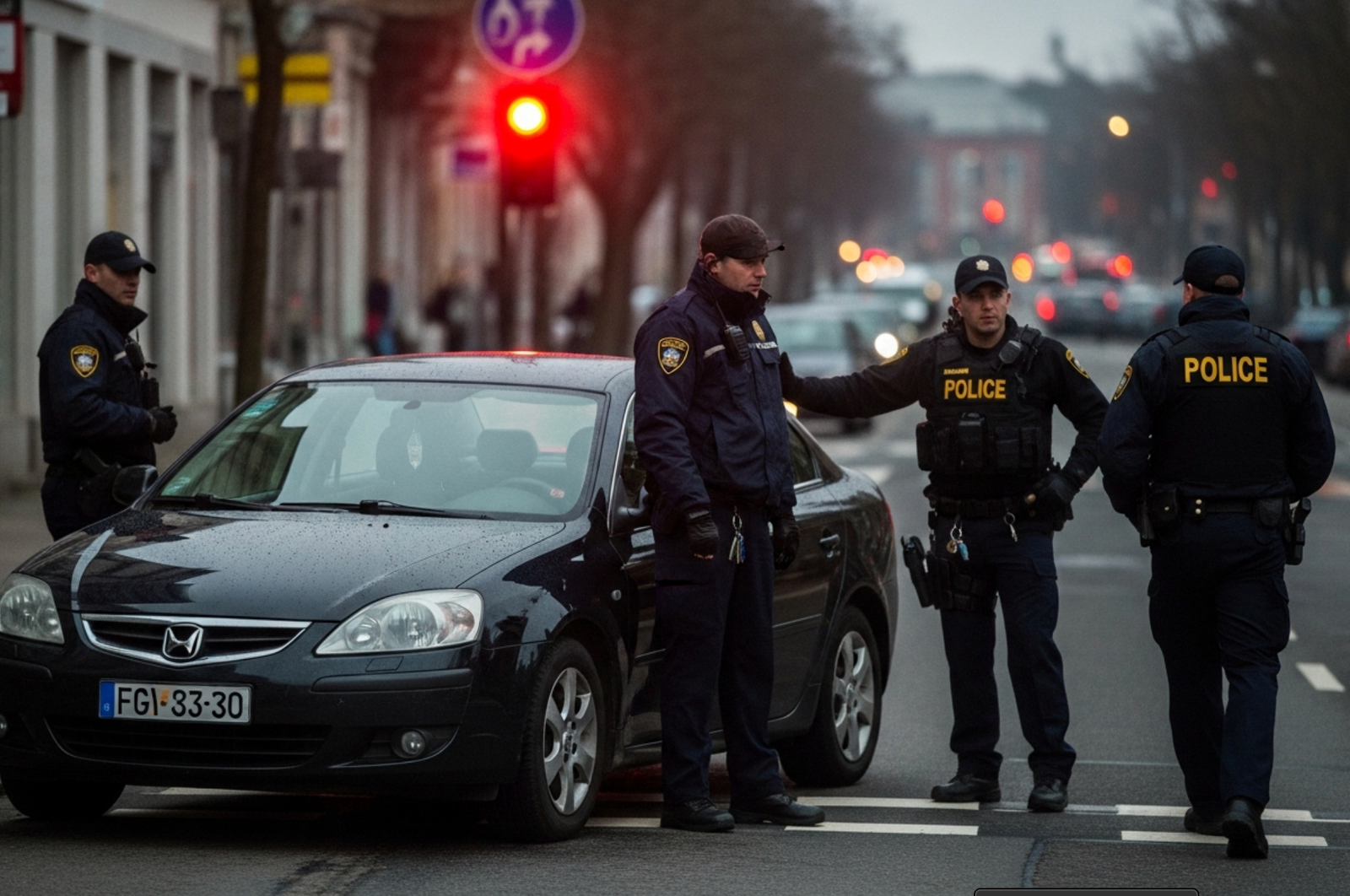
Multiple police units and negotiators were on scene. Residents reported seeing heavily armed officers and hearing commands over loudspeakers. The shelter-in-place order went out shortly after 3 p.m., asking people within a several-block radius to stay inside and lock doors.
By 5:45 p.m., GJPD announced the situation was resolved peacefully. The person in crisis was taken into protective custody for mental health evaluation and treatment.
No shots were fired. No one was hurt.
Why These Calls Keep Happening Here
Mental health-related calls have spiked across Mesa County in recent years.
Grand Junction Police responded to more than 1,800 mental health crisis calls in 2023, according to department records. That number is on pace to be higher this year.
Many of those calls involve people who are suicidal, off their medication, or in psychotic episodes. Too often, family members or neighbors call 911 because they don’t know where else to turn.
“The majority of these situations end exactly like today’s, with the person getting the help they need,” said Grand Junction Police spokesperson Jennifer Shields. “But every one of them carries risk for everyone involved.”
The Quiet Success of Crisis Training
Every GJPD officer now goes through 40 hours of Crisis Intervention Team training. The program teaches de-escalation techniques, how to recognize signs of mental illness, and when to bring in mental health professionals.
Tuesday’s outcome is exactly what that training is designed to produce.
“We used to respond to these calls like any other high-risk situation,” one veteran officer told me off-record. “Now we slow everything down. We talk. We listen. Most of the time, that’s all someone needs to come with us willingly.”
The department also partners with Mind Springs Health, which sends co-responders, clinicians who ride along with police on mental health calls.
When Shelter-in-Place Becomes Necessary
Police don’t issue shelter-in-place orders lightly.
They do it when there’s credible concern that a person in crisis might harm themselves or others, and the situation could spill into surrounding neighborhoods.
That’s what happened Tuesday.
Some residents expressed frustration about being locked in their homes for hours. Others said they felt safer knowing police were taking the threat seriously.
“I heard the yelling and saw all the police cars,” said Maria Gonzalez, who lives one block from the scene. “I have kids. I’ll stay inside as long as they need if it keeps everyone safe.”
A Community Under Strain
The incident comes just weeks after Mesa County recorded its highest number of suicide attempts in a single month since tracking began.
Local mental health resources remain stretched thin. Mind Springs Health has waiting lists for therapy that stretch months. The nearest psychiatric beds are in Pueblo, more than four hours away.
These gaps mean police often become the default mental health responders, whether they want that role or not.
Tuesday’s peaceful resolution is a win. But it’s also a reminder of how many similar situations are happening across our community, often without anyone noticing until police lights fill the street.
The person at the center of Tuesday’s crisis is now getting help. That’s what matters most.
If you or someone you know is struggling, help is available. Call the Colorado Crisis Services hotline at 844-493-8255 or text “TALK” to 38255. You are not alone.
What did you think of how police handled this situation? Share your thoughts in the comments below.