
Traffic on Highway 141 near Grand Junction, Colorado, remains disrupted as crews work to clean up a recent train derailment. The incident, which sent rail cars into the Gunnison River, has led to power line issues and extended delays for drivers in the area.
Details of the Derailment Incident
A Union Pacific train derailed late Tuesday evening outside Grand Junction, with officials pointing to rockfall on the tracks as the likely cause. The accident happened near the intersection of Highway 141 and Highway 50 in Mesa County, sending five coal-hauling rail cars and two locomotives into the Gunnison River.
Rescue teams acted quickly to pull two engineers from the water. Both crew members escaped without injuries, thanks to the swift response from local fire departments and search and rescue units. Eyewitness accounts described a chaotic scene with rail cars tipping over the riverbank amid stormy weather conditions.
The derailment occurred during a period of heavy rain and wind, which may have contributed to the rockfall. This marks the second notable train incident in Colorado this year, following a similar event in Pueblo County that closed major roads for days.
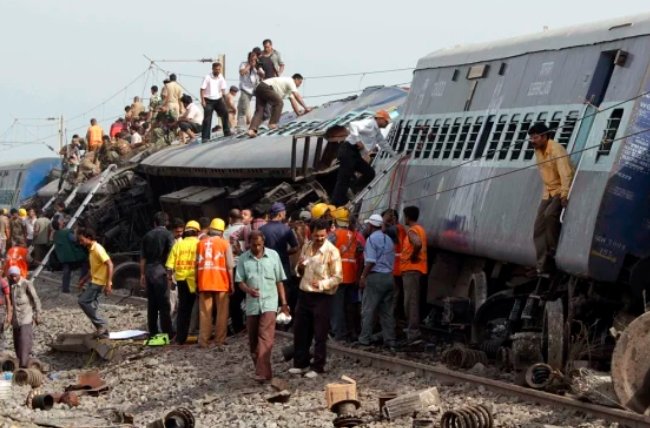
Cleanup Efforts and Challenges
Cleanup operations began immediately after the rescue, focusing on removing debris from the river and tracks. Union Pacific teams, along with local authorities, have been working around the clock to clear the site. However, progress hit a snag when heavy equipment snagged a grounding wire, causing a power line to come down.
Grand Valley Power stepped in to repair the line, affecting just one power meter in the area. No one was hurt in this secondary incident, but it added hours to the timeline. Crews have rerouted surface water away from the site to prevent further environmental damage from the spilled coal.
Environmental experts are monitoring the Gunnison River for any pollution from the coal cars. Initial tests show minimal impact so far, but long-term effects on local wildlife remain a concern. Similar derailments in other states, like a 2024 coal spill in Montana, led to fish die-offs and required months of restoration work.
The cleanup involves specialized equipment, including cranes and vacuum trucks, to handle the wreckage safely. Officials estimate the process could take several more days, depending on weather.
Impact on Local Traffic and Community
Highway 141 has seen major backups since the derailment, with lanes reduced or closed for safety during cleanup. Drivers report delays of up to two hours, especially during peak times, as crews move equipment in and out of the area.
Local residents and businesses feel the strain. Commuters heading to work in Grand Junction face longer travel times, and some delivery services have rerouted to avoid the zone. The Mesa County Sheriff’s Office urges people to use alternate routes like Highway 50 where possible.
Here are key tips for drivers navigating the area:
- Check real-time traffic apps for updates before heading out.
- Allow extra time for trips near Whitewater and Bridgeport.
- Avoid the zone if possible to reduce congestion for emergency vehicles.
Schools in the area have adjusted bus routes, and some events in Grand Junction have been postponed due to the traffic issues. Community leaders praise the first responders but call for better rail safety measures to prevent future incidents.
| Aspect | Current Status | Expected Timeline |
|---|---|---|
| Traffic Delays | Ongoing on Highway 141 | Several days until full clearance |
| Cleanup Progress | Debris removal in progress | Completion by end of week |
| Environmental Monitoring | River tests underway | Initial results in 48 hours |
| Power Restoration | Fully restored | No further issues reported |
Broader Implications for Rail Safety
This derailment highlights ongoing concerns about rail infrastructure in rugged areas like western Colorado. Rockfalls are common in the region due to its mountainous terrain, and climate change may increase such risks with more frequent storms.
Union Pacific has invested in track monitoring technology, but critics argue more needs to be done. A federal report from 2025 shows train derailments rose by 15 percent nationwide over the past five years, often linked to weather events.
Local lawmakers, including Representative Jeff Hurd, have voiced support for the response efforts and pushed for investigations. They stress the need for stronger preventive measures to protect both people and the environment.
Experts recommend regular track inspections and early warning systems for rockslides. In comparison, a 2023 derailment in Ohio led to new federal guidelines on hazardous materials, though this incident involved only coal.
What Drivers and Residents Should Know Next
As cleanup continues, authorities promise regular updates through local news outlets and social media. The focus remains on safety, with no hazardous materials spilled beyond the coal.
For those affected, resources include traffic hotlines and community support groups. Staying informed can help minimize disruptions.
Share this article with friends facing similar delays, and comment below with your experiences on Highway 141. Your input could help others navigate this situation better.