
Indiana lawmakers rejected a major redistricting bill on December 11, 2025, defying pressure from President Donald Trump to redraw congressional maps for a stronger Republican edge. This decision, analyzed by Purdue Fort Wayne political science professor Mike Wolf, raises questions about future primary challenges for state senators and potential cuts to federal funding for the state.
What Happened in the Indiana Senate Vote
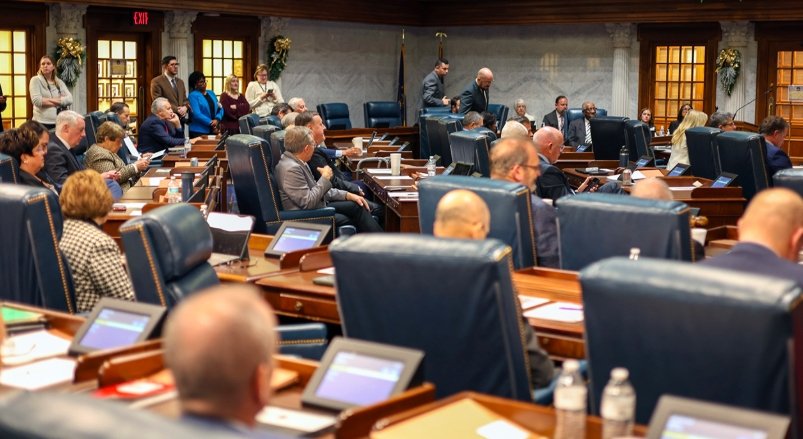
The bill aimed to shift Indiana’s congressional districts to favor Republicans, potentially turning the current 7-2 split into a 9-0 advantage ahead of the 2026 midterms. It failed in a 31-19 vote, with 21 Republicans joining all 10 Democrats to block it.
This outcome surprised many, as Trump and allies like Governor Mike Braun pushed hard for the change. The vote came after months of debate and public pressure, highlighting deep divisions within the Republican Party.
Professor Wolf, in a recent interview, explained that the failure stems from concerns over gerrymandering and voter backlash. He noted that lawmakers prioritized local interests over national directives.
Effects on Indiana Lawmakers
The bill’s defeat could lead to tough primary battles for those who voted against it. Trump has hinted at supporting challengers, which might reshape the state’s political landscape.
Wolf pointed out that senators who opposed the bill may face well-funded opponents in upcoming elections. This could force them to defend their records on issues like education and infrastructure.
Some lawmakers have already spoken out, saying they stood with Hoosier values against outside influence. This stance might strengthen their support among independents and moderates.
However, the risk of primary losses remains high in a state where Trump holds strong sway. Analysts predict increased campaign spending and voter turnout in affected districts.
Potential Changes to Federal Funding
Trump threatened to withhold federal aid if the bill failed, raising alarms about Indiana’s share of national resources. Wolf discussed how this could affect key areas like transportation and healthcare.
Indiana relies on billions in federal dollars each year for projects such as road repairs and farm subsidies. Any cuts might delay ongoing initiatives and strain the state budget.
Experts warn that such moves could spark legal battles, as federal funding rules require fair distribution. Wolf emphasized that while threats exist, actual cuts would need congressional approval.
Recent examples from other states show that political disputes over funding often lead to negotiations rather than outright denials.
- Transportation Grants: Indiana received over $1.2 billion in 2024 for highway improvements; disruptions could halt new constructions.
- Healthcare Allocations: Federal Medicaid support totals around $8 billion annually, vital for rural hospitals.
- Agricultural Aid: Farm subsidies exceed $500 million yearly, supporting the state’s corn and soybean industries.
Broader Political Implications Nationwide
This failure signals a slip in Trump’s influence over state Republicans, echoing similar pushbacks in other red states. It might encourage more independence among GOP lawmakers elsewhere.
Wolf compared it to past redistricting fights, like those in Ohio and North Carolina, where courts overturned partisan maps. He predicts this could lead to more balanced national elections.
The 2026 midterms now look more competitive in Indiana, with Democrats holding onto their two seats. This keeps the state’s delegation diverse, potentially affecting House votes on key bills.
Public sentiment, based on recent polls, shows mixed views. A survey from early December found 55% of Hoosiers opposed mid-cycle redistricting, citing fairness concerns.
How This Ties to Recent Events
Just weeks ago, similar redistricting efforts stalled in other states amid legal challenges. Indiana’s vote aligns with a growing trend against aggressive gerrymandering.
Wolf linked it to the 2024 election outcomes, where voter turnout emphasized fair representation. He also mentioned ongoing Supreme Court cases on voting rights that could influence future maps.
In response, some Indiana officials are now focusing on bipartisan reforms to prevent future disputes.
| Aspect | Current Status | Potential Impact |
|---|---|---|
| Congressional Seats | 7 Republican, 2 Democrat | Remains unchanged, avoiding a full GOP sweep |
| Federal Funding Threats | Trump warnings issued | Possible delays in aid, but likely resolved through talks |
| Lawmaker Primaries | 21 GOP senators at risk | Increased challenges and campaign costs |
| Public Opinion | 55% against redistricting | Boosts support for fair maps in future votes |
Looking Ahead for Indiana
As the dust settles, Indiana faces a pivotal moment in its political future. Wolf suggests monitoring federal budget talks in early 2026 for any real funding shifts.
This event underscores the tension between state autonomy and national party pressures. It may inspire similar stands in other legislatures.
Share your thoughts on how this redistricting failure might affect your community. Comment below or spread the word to keep the conversation going.