
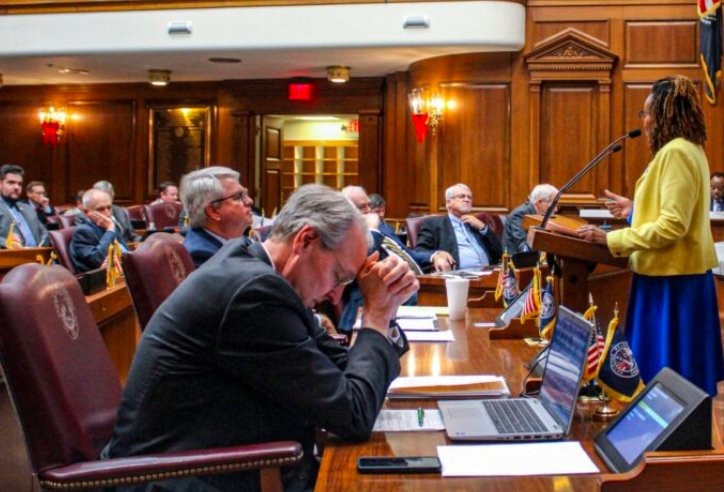
Indiana state senators heard hours of public testimony on a controversial redistricting bill Monday, as the measure advanced through a key committee amid strong opinions from both sides. The bill, which aims to redraw congressional maps mid-decade to favor Republicans, passed the Senate Elections Committee with a 6-3 vote and now heads to the full Senate for a potential final decision later this week.
Bill Background and Path So Far
Lawmakers in Indiana have pushed this redistricting effort since summer, driven by pressure from President Donald Trump to secure more Republican seats in Congress before the 2026 elections. The proposal seeks to shift the state’s nine congressional districts from a current 7-2 Republican edge to a possible 9-0 split by carving up Democratic strongholds like Indianapolis and Gary.
The bill cleared the Indiana House last week with strong Republican support, but it faces hurdles in the Senate, where some GOP members have voiced doubts. Trump has ramped up threats, posting on Truth Social over the weekend that opponents could face primary challenges if they block the plan.
This move comes as other states like Texas and Virginia pursue similar mid-cycle changes, sparking national debates on fair representation and political power balances.
Key Testimony Highlights from the Hearing
Dozens of Hoosiers traveled to the Statehouse to speak during the marathon session, with 127 people signing up to testify. Supporters argued the redraw is needed to counter Democratic gerrymandering in blue states, while opponents called it an unnecessary power grab that ignores voter priorities.
One opponent, William Smith, stressed local needs over national politics. He told the committee that people want better roads and healthcare access, not maps forced by Washington insiders.
On the other side, John Colburn urged action to add Republican representatives and fight what he sees as unfair tactics in states like California and New York.
Lasima Packett criticized the bill’s focus on political gain, pointing out the author’s admission that lines were drawn for performance rather than community ties.
Cathie Humbarger shared how her views shifted after talks with political experts, calling the bill crucial for broader balances in Congress.
Protesters, including a busload from Allen County organized by Indiana Conservation Voters, rallied outside, chanting for senators to hold firm against the changes.
Committee Vote and Senator Positions
The Senate Elections Committee approved the bill late Monday in a 6-3 vote, split along party lines with one Republican joining Democrats in opposition. This sets up a tense floor vote, as Republican leaders admit they may lack the 26 votes needed in the 50-member chamber, where Republicans hold 40 seats.
Several GOP senators remain undecided or opposed, creating uncertainty. Senate President Pro Tempore Rodric Bray has softened his earlier skepticism, suggesting the caucus might rally, but about a quarter of Republicans have not committed.
Here is a breakdown of notable senator stances based on public statements:
- Firm Supporters: Senators like Stacey Donato, Linda Rogers, and Greg Goode voted yes in committee but noted it was for more debate, not a final endorsement.
- Opponents or Undecided: Senator Walker voted no in committee. Others, including Mike Bohacek and Brian Buchanan, have stayed silent or expressed concerns.
- Influential Voices: Bray has indicated the vote could go either way, amid pressure from Trump and grassroots groups.
| Senator Name | District | Stance on Bill | Key Comment |
|---|---|---|---|
| Rodric Bray | 37 | Leaning Yes | Caucus lacks votes but push continues |
| Stacey Donato | N/A | Yes in Committee | Open to floor debate |
| Linda Rogers | N/A | Yes in Committee | Not committed to final yes |
| Greg Goode | N/A | Yes in Committee | Voted for more discussion |
| Walker | Columbus | No | Joined Democrats in committee vote |
This table shows the fluid dynamics, with final positions still forming.
Opposition Arguments and Broader Impacts
Critics say the bill disrupts communities and could face legal challenges for racial gerrymandering, as it splits minority-heavy areas in Marion County into multiple districts. Democrats argue it weakens urban voices by blending them with rural ones, asking if one representative can truly serve such diverse needs.
Former Lieutenant Governor Sue Ellspermann testified against it, drawing from her role in past map-drawing to warn that Hoosiers will remember and hold lawmakers accountable. She called the plan senseless and not driven by local demands.
Emotional stories emerged, like protesters emphasizing bravery in standing against outside pressure. Groups like the Indiana Freedom Caucus support the bill, seeing it as a way to expose political divides and push for primaries against holdouts.
Nationally, this fits into a wave of redistricting battles post-2024 elections, where states aim to lock in advantages amid a divided Congress.
Support from Trump and Republican Strategy
President Trump has made Indiana a focal point, threatening to back challengers against GOP senators who oppose the bill. His weekend posts called for unity to achieve a 9-0 map, framing it as essential for Republican control in Washington.
Supporters like the Indiana Freedom Caucus view it as payback for Democratic moves in other states. They highlight how Virginia Democrats recently redrew maps to eliminate Republican seats, urging Indiana to respond in kind.
House Speaker Todd Huston defended the proposal by noting the national context, saying Indiana does not operate in a vacuum amid partisan fights elsewhere.
What’s Next for the Bill
The full Senate could vote as early as this week, but uncertainty lingers with some Republicans keeping quiet. If passed, the new maps would take effect for 2026, potentially adding two safe GOP seats and shifting national power.
Experts predict court battles if approved, given Indiana’s constitution ties redistricting to census cycles. Public pressure continues, with calls and protests influencing undecided senators.
As this story develops, stay informed on how it affects your district. Share your thoughts in the comments below or on social media, and let others know about these key updates.