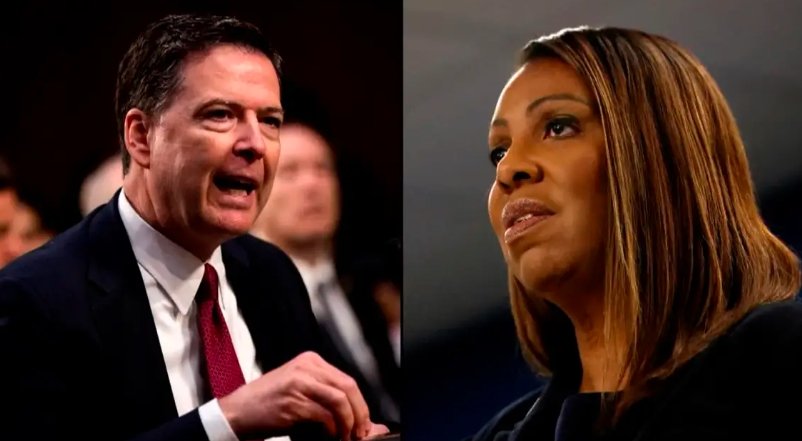
A federal judge in Virginia dismissed criminal cases against former FBI Director James Comey and New York Attorney General Letitia James on Monday. The ruling came after the court found that the prosecutor who filed the charges was not properly appointed by the Justice Department.
U.S. District Judge Cameron McGowan Currie made the decision in the Eastern District of Virginia. She ruled that Lindsey Halligan, the interim U.S. attorney who brought the indictments, lacked legal authority to do so. This move halts the prosecutions for now and highlights issues with how the Trump administration handled key appointments.
Background on the Controversial Indictments
The cases stemmed from actions pushed by President Donald Trump during his return to office. Comey faced charges of lying to Congress about his handling of the 2016 election probe into Hillary Clinton’s emails. Those allegations dated back five years and involved claims that he misled lawmakers on key details.
James, a vocal critic of Trump, was indicted on mortgage fraud charges. Prosecutors accused her of providing false information on loan applications for properties in New York. The timing raised eyebrows, as it followed Trump’s public calls for investigations into his political foes.
Defense teams for both argued that the appointments process violated federal law. They pointed out that the previous U.S. attorney, Christopher Siebert, was removed abruptly in September 2025. Attorney General Pam Bondi then named Halligan, a Trump loyalist with limited prosecutorial experience, to replace him.
This unusual sequence drew scrutiny from legal experts. Under the Federal Vacancies Reform Act, interim appointments have strict limits, often shifting authority to courts after a certain period. Halligan’s role began on September 22, 2025, but critics said Bondi overstepped by installing her without proper oversight.
The Judge’s Key Findings and Legal Reasoning
Judge Currie, appointed by President Bill Clinton in 1994, issued detailed opinions in both cases. She concluded that Halligan’s appointment was invalid because it bypassed required procedures. The judge noted that after Siebert’s 210-day term ended on May 21, 2025, the power to appoint shifted away from the attorney general.
In her ruling on Comey’s case, Currie wrote that all actions by Halligan, including signing the indictment, were unlawful. She dismissed the charges without prejudice, meaning they could theoretically be refiled. However, Comey’s team argues the statute of limitations expired on September 30, 2025, potentially ending the matter for good.
For James, the dismissal followed similar logic. Currie rejected Bondi’s attempt to retroactively approve Halligan’s actions, saying no such authority exists. The judge emphasized that the government failed to show legal grounds for the second interim appointment in a row.
To illustrate the timeline of events leading to this decision, here is a clear breakdown:
| Date | Event |
|---|---|
| May 21, 2025 | Previous U.S. Attorney Christopher Siebert’s term ends under federal law. |
| September 22, 2025 | Attorney General Pam Bondi appoints Lindsey Halligan as interim U.S. Attorney. |
| October 2025 | Indictments filed against Comey for lying to Congress and James for mortgage fraud. |
| November 13, 2025 | Federal judge expresses doubts about Halligan’s appointment during hearings. |
| November 24, 2025 | Judge Currie dismisses both cases, ruling appointment illegal. |
This table shows how the rushed process unfolded and set the stage for the court’s intervention.
Reactions from Key Players and Political Circles
The ruling sparked immediate responses across the political spectrum. Letitia James issued a statement expressing relief and gratitude for support from around the country. She vowed to continue her work fighting for New Yorkers despite the baseless charges.
James Comey took to social media to comment on the outcome. He described the case as a personal matter but stressed its broader importance in preventing the president from weaponizing the Justice Department against enemies. Comey predicted Trump might try again but stood firm on the need for accountability.
The Trump administration pushed back hard. White House Press Secretary Karoline Leavitt called the decision a technical ruling by a partisan judge aimed at shielding the defendants. Attorney General Bondi announced plans for an immediate appeal, vowing to hold Comey and James accountable for their alleged misconduct.
On social media platforms like X, reactions poured in late into the night. Supporters of Trump decried the dismissal as another example of judicial bias, while critics celebrated it as a victory for due process. Reddit threads in legal and political forums debated the implications, with many users noting the statute of limitations could bar refiling against Comey.
Legal analysts weighed in too. Some pointed to this as a reminder of checks and balances in the system. Others connected it to past controversies, like the firing of Comey in 2017, which fueled ongoing tensions between Trump and federal investigators.
Here are some key points from expert commentary on the ruling:
- The decision reinforces limits on executive power in appointing prosecutors.
- It may set a precedent for challenging similar interim roles in other districts.
- Appeals could reach the Supreme Court, testing constitutional interpretations.
- For James, refiling remains possible, but political fallout might deter it.
What This Means for Trump-Era Prosecutions
This dismissal represents a significant setback for the administration’s aggressive legal strategy. Trump had urged Bondi to pursue these cases shortly after taking office in January 2025. The indictments were seen as part of a broader effort to target perceived adversaries, echoing promises made during the campaign.
Broader implications extend to ongoing probes. The Justice Department now faces questions about other actions taken under Halligan’s watch. Sources indicate the Deputy Attorney General’s office is reviewing how to handle future filings in Virginia to avoid similar issues.
In the context of recent events, this ruling comes amid heightened scrutiny of Trump’s appointments. Just last month, a similar challenge arose in another district over an acting official’s role. Legal scholars suggest these cases could slow down the administration’s push for high-profile indictments.
For the public, it underscores the importance of procedural fairness in the justice system. While the cases are paused, an appeal could drag on for months, keeping the spotlight on these figures.
Looking Ahead: Appeals and Potential Refilings
The Justice Department has signaled it will fight the ruling vigorously. Bondi stated they will take all available legal action, including appeals to higher courts. If escalated, the case might land before the Supreme Court, where conservative justices could scrutinize the appointments clause.
For Comey, the expiration of the statute of limitations offers strong protection. His lawyers plan to argue against any refiling attempts. James’ situation is more fluid, as her charges involve more recent events, but her team is ready to challenge further moves.
This development ties into larger trends in American politics. It reminds observers of the delicate balance between executive authority and judicial oversight. As the appeal process unfolds, watch for how it affects public trust in federal institutions.
Readers, what do you think about this ruling and its impact on political prosecutions? Share your views in the comments below and spread the word by sharing this article with friends.