
Grand Junction’s favorite noodle spot is officially open and serving customers. Koi Ramen & Sushi faced a brief closure earlier this month following a health inspection but quickly resolved all issues. Confusion arose when local reports stated the restaurant was closed days after it had already welcomed diners back. The owners want everyone to know that their doors are open and their kitchen is safe.
Cleared to Serve Again
The popular Japanese restaurant on the Western Slope is fully operational after a rollercoaster week. Mesa County health officials visited the establishment on February 3 and ordered a temporary closure due to specific code violations. The restaurant management wasted no time in addressing the concerns raised by the inspectors. They worked through the night and following day to fix every issue on the list.
Inspectors returned on February 4 for a follow-up visit. They found that Koi Ramen had corrected all violations and met every safety standard required by the county. The health department immediately gave the green light for the restaurant to reopen that same day.
The swift turnaround highlights the restaurant’s commitment to food safety. Most closures in Mesa County last only a short time if the business owners are proactive. Koi Ramen demonstrated exactly that type of responsiveness. They moved from a failed inspection to a passing grade in less than 24 hours.
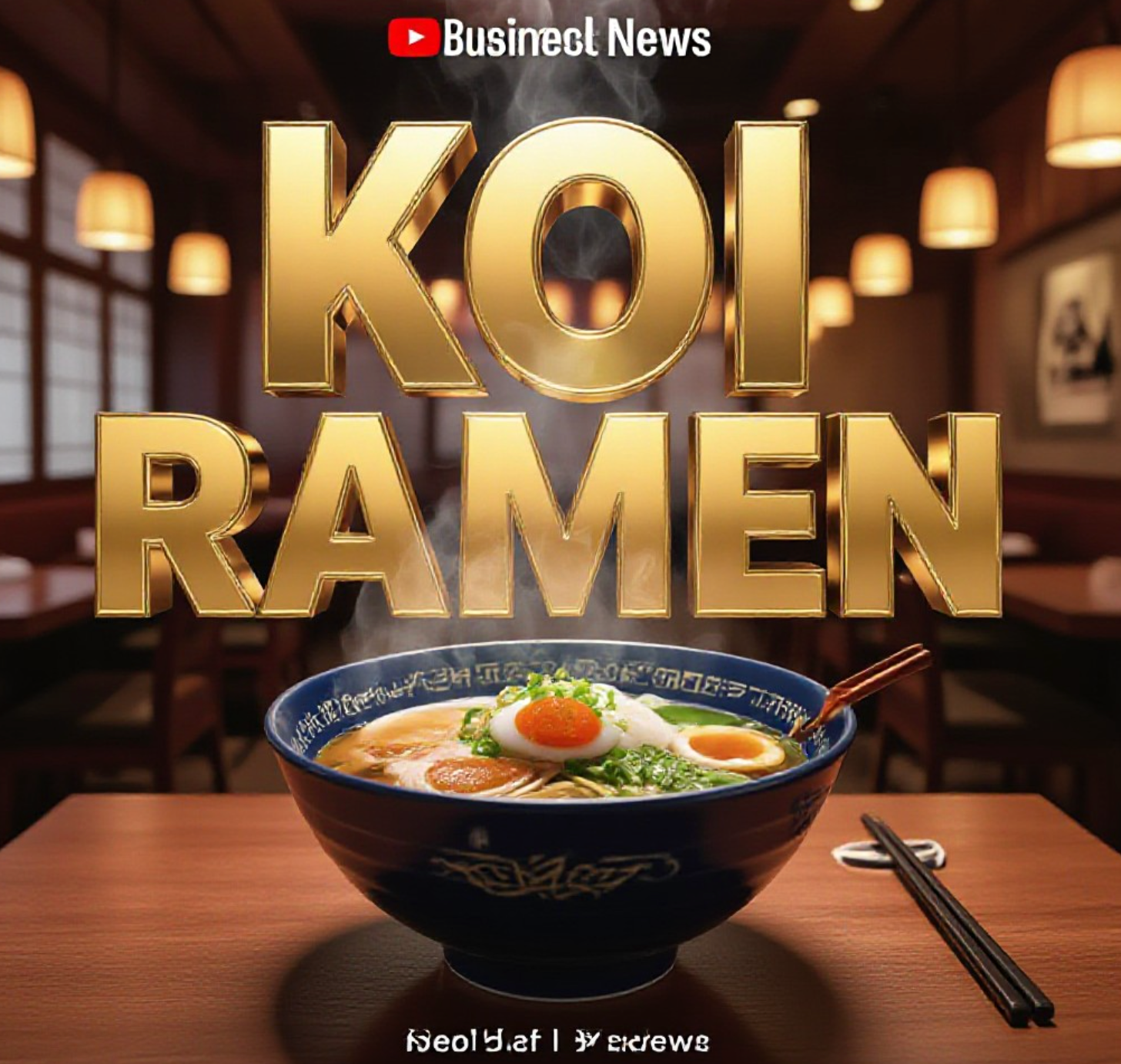
Setting the Record Straight
Confusion gripped the Grand Junction dining community when a local news report aired on February 5. The report stated that Koi Ramen was closed due to a failed inspection. This information was outdated at the moment it went to air. The restaurant had already passed its re-inspection and was serving lunch and dinner to customers a full day before the news broadcast.
KJCT News later issued a clarification to correct the timeline. They acknowledged that while the initial closure on February 3 did happen, the restaurant was already back in business by the time the story reached the public. The station apologized to the restaurant for the mix-up which likely caused unnecessary worry among loyal customers.
Small businesses often suffer when outdated information circulates online. A report claiming a restaurant is “closed” can drive away business for weeks even after the problem is fixed. This incident serves as a reminder to check the most current status of any local business before changing dinner plans.
Understanding Health Inspections
Health inspections in Mesa County are rigorous and designed to protect the public. Inspectors look for two main types of violations during their unannounced visits. They check for “critical” items which are directly linked to food safety and “non-critical” items which relate to general maintenance and cleaning.
A restaurant is usually closed only when an “imminent health hazard” is found. This could be anything from a broken refrigerator to a pest issue or lack of hot water. The goal is not to punish the business but to ensure safety. Once the specific hazard is removed or fixed, the establishment can reopen almost immediately.
Common Reasons for Temporary Closures:
- Temperature Issues: Food not being kept cold enough or hot enough.
- Cross Contamination: Raw meat stored near ready-to-eat foods.
- Sanitation: Lack of proper sanitizer in dishwashers or wipe buckets.
- Plumbing: Issues with handwashing sinks or drainage.
Koi Ramen followed the standard protocol perfectly. They identified the problem areas and corrected them. This process is common in the food industry and often results in a safer and cleaner environment for diners going forward.
Locals Rally Behind the Restaurant
Grand Junction residents are known for supporting their local eateries. Koi Ramen & Sushi has built a strong reputation for its rich tonkotsu broth and fresh sushi rolls. Online reviews and social media comments show that the community is eager to move past the headlines and get back to eating their favorite meals.
Regular customers know that a single inspection snapshot does not define a restaurant forever. The speed at which the owners reacted shows they care about their patrons. Many locals have already returned to show their support and enjoy a hot bowl of ramen.
Trust is the most important ingredient in any restaurant. The management at Koi Ramen has worked hard to rebuild that trust by being transparent and efficient. They are inviting everyone to come in and see the improvements for themselves.
The past week brought stress and confusion but the outcome is positive. Koi Ramen & Sushi is safe, open, and ready to serve the Grand Junction community. The mix-up with the news cycle is over and the focus is back on the food. Residents can head over to enjoy their spicy tuna rolls and gyoza without hesitation.
Do you plan to visit Koi Ramen this week to show your support? Let us know your favorite dish in the comments below. If you are sharing photos of your meal on social media then use the hashtag #GrandJunctionEats to connect with other food lovers in the valley.