Mesa County Commissioners have approved a $2.46 million budget to replace old vehicles and equipment across various departments. This decision, made on August 15, 2025, aims to improve safety, cut maintenance costs, and boost efficiency in Grand Junction and surrounding areas.
The move comes as part of the county’s broader 2025 budget planning, which totals around $250 million and marks a 3.8 percent increase from the previous year. Officials say the upgrades will address aging fleet issues that have led to higher repair bills and potential safety risks.
Details of the Approved Budget
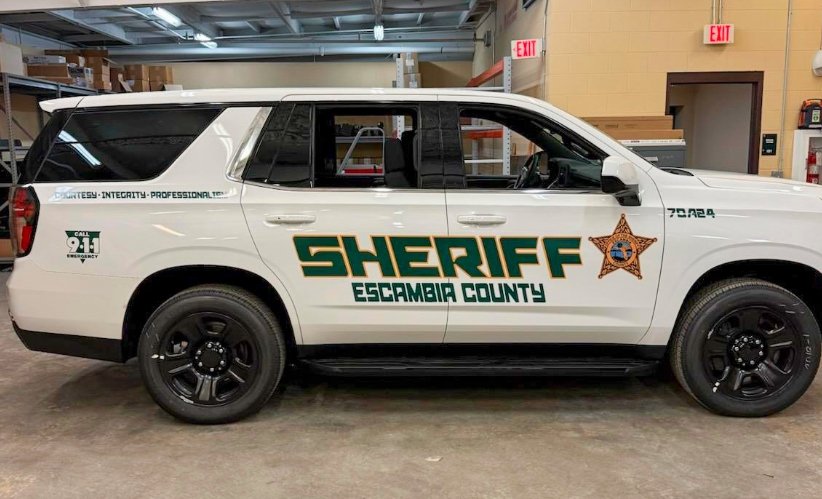
County leaders focused on replacing about 25 items, including pickup trucks, dump trucks, and a prisoner transport unit for the Sheriff’s Office. Fleet Supervisor Eric Brown explained that some equipment has reached the end of its useful life, making repairs more expensive than replacements.
This investment fits into Mesa County’s ongoing efforts to modernize its operations. The 2025 budget proposal, presented in October 2024, highlighted priorities like infrastructure and public safety, with vehicle upgrades seen as a key step to support daily services.
Brown noted that the new items will feature updated safety measures and meet current EPA standards. These changes should lead to fewer breakdowns and lower long-term costs for taxpayers.
Why the Upgrades Matter Now
Mesa County has faced growing demands on its fleet due to population growth and increased service needs. Recent events, such as the Turner Gulch Fire earlier this year, underscored the importance of reliable equipment for emergency responses.
By approving this budget, commissioners aim to prevent future liabilities. Brown said the replacements will save money on repairs over time, as old vehicles often become too costly to maintain.
The timing aligns with the county’s fiscal year planning. The overall 2025 budget includes boosts for road maintenance and other infrastructure, building on voter-approved measures from 2024 that allowed retaining excess revenue for such projects.
Officials expect some new vehicles to roll out in the coming months, with others arriving in 2026. This phased approach helps manage costs and ensures smooth integration into county operations.
Key Items Being Replaced
The replacement list covers a range of needs across departments. Here are some highlights:
- Pickup trucks for general county use, improving mobility for staff in rural areas.
- Dump trucks essential for road maintenance and construction projects.
- A specialized prisoner transport unit to enhance safety for the Sheriff’s Office during transfers.
- Other equipment like heavy machinery that supports public works and emergency services.
These upgrades address specific pain points. For instance, older dump trucks have led to downtime during critical repair seasons, affecting road quality in the county.
Benefits for Residents and Taxpayers
The new vehicles promise better reliability and safety features that older models lack. Brown emphasized that they are more dependable and require less upkeep, which could free up funds for other community needs.
In a broader context, this fits Mesa County’s strategy to use its $250 million 2025 budget wisely. Compared to the 2023 budget of $242.5 million, this year’s plan shows steady growth focused on essential services.
Residents might notice improvements in faster response times for services like snow removal or emergency transports. The county’s fleet services team plans to monitor the new equipment’s performance to ensure it delivers on these promises.
A table below outlines the budget breakdown based on public records:
| Category | Estimated Cost | Number of Items | Expected Benefits |
|---|---|---|---|
| Pickup Trucks | $800,000 | 10 | Improved fuel efficiency and safety |
| Dump Trucks | $900,000 | 8 | Better for heavy-duty road work |
| Prisoner Transport | $300,000 | 1 | Enhanced security features |
| Other Equipment | $460,000 | 6 | Reduced maintenance needs |
This allocation shows a balanced approach to addressing various departmental requirements.
Looking Ahead to Implementation
County officials are now moving to purchase and deploy the new items. Brown mentioned that procurement could take a few months, with full rollout by early 2026.
This initiative builds on past successes, like the 2021 budget that invested $37 million in road and facility upgrades. It reflects a commitment to fiscal responsibility amid Colorado’s growing infrastructure demands.
As Mesa County continues to develop, these vehicle replacements will play a crucial role in maintaining high service standards. Residents can expect updates through the county’s website and local news outlets.
What do you think about this budget approval? Share your thoughts in the comments below and spread the word to keep the community informed.