
Mesa County residents can drop off their old Christmas trees for free at the local compost facility starting this week in 2026. The program turns these trees into nutrient rich compost that helps gardens and lawns thrive, offering a green way to handle holiday cleanup.
How the Program Works
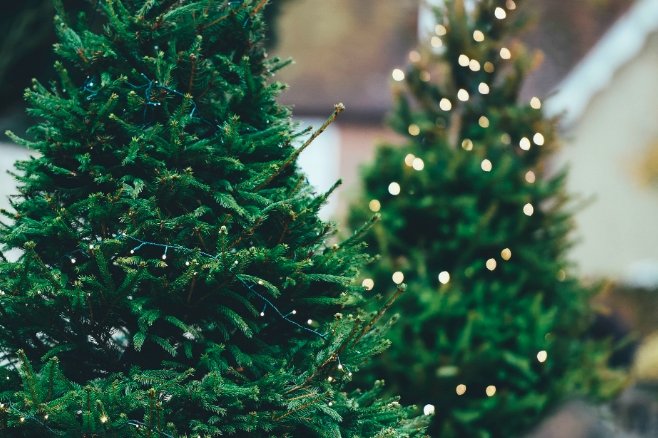
People in Mesa County have a simple option for getting rid of their Christmas trees after the holidays. The Mesa County Organic Materials Composting Facility accepts live trees without charge, processing them just like other yard waste.
Trees must be free of lights, ornaments, tinsel, and stands before drop off. Once there, workers grind the trees and mix them with other organic materials to create compost.
This compost gets sold back to the community for use in gardens, lawns, and farms. Officials note that the facility handles about 60,000 cubic yards of yard waste each year, including trees from programs like this one.
The site operates from Wednesday to Saturday, between 8 a.m. and 4:15 p.m. There is no strict deadline for dropping off trees, but bringing them early prevents fire risks as they dry out.
Why Composting Beats Other Options
Composting Christmas trees stands out as a smart choice for the environment. Instead of burning trees or sending them to landfills, this method recycles them into useful soil amendments.
Burning releases harmful smoke and contributes to air pollution, while landfills take up space and produce methane gas. Composting avoids these issues and creates zero methane emissions, according to state health guidelines.
Shay Starr, the site manager, explains that the process turns waste into something valuable. It adds nutrients back to the soil, supporting plant growth and reducing the need for chemical fertilizers.
In 2026, with climate change concerns on the rise, programs like this align with Colorado’s push for more organics recycling. The state aims to boost composting to cut down on waste and improve soil health across communities.
Benefits for Local Residents and Nature
This initiative helps both people and the planet in practical ways. Residents save money on disposal fees and avoid the hassle of curbside pickup rules in some areas.
The resulting compost improves water retention in soil, which is key in dry regions like western Colorado. Gardeners use it to grow healthier plants, from vegetables to grass.
On a larger scale, composting supports biodiversity by enriching the ground for microbes and roots. It also cuts down on the carbon footprint of waste management.
Here are some key advantages:
- Reduces landfill waste and greenhouse gases.
- Provides affordable compost for home and farm use.
- Promotes sustainable habits in the community.
- Helps prevent wildfires by removing dry trees quickly.
Recent Expansions and Future Plans
The facility has grown in recent years to handle more types of waste. A 2025 agreement between Mesa County and Grand Junction split costs for a study on expanding operations.
This could allow composting of food waste and biosolids in the future, increasing the site’s capacity. Right now, it focuses on yard waste like trees, leaves, and grass clippings.
Officials expect higher participation in 2026 due to growing awareness. Similar efforts in nearby areas, such as Phoenix and San Francisco, show how these programs gain traction over time.
| Aspect | Current Status | Future Potential |
|---|---|---|
| Annual Waste Processed | 60,000 cubic yards | Up to double with expansions |
| Materials Accepted | Yard waste, trees, manure | Add food waste and biosolids |
| Environmental Impact | Zero methane emissions | Broader waste diversion from landfills |
| Community Benefits | Free tree disposal, cheap compost | More recycling options for residents |
Tips to Join the Program
Getting involved is easy, but a few steps ensure smooth drop offs. Plan your visit during open hours to avoid closures due to weather like high winds or storms.
Remove all decorations from your tree to keep the compost clean. If your tree is over six feet, consider cutting it for easier transport.
For those outside Mesa County, check local options, as cities like Mesa in Arizona offer similar recycling spots through January 19.
Remember, flocked or artificial trees do not qualify for composting. Dispose of them through regular trash services.
Growing Trend in Holiday Recycling
Christmas tree composting fits into a bigger movement across the U.S. In 2026, places like Jackson Hole and Charleston run free programs that turn thousands of pounds of trees into mulch or compost.
These efforts highlight how small actions add up to big environmental wins. As more people join, communities build healthier soils and reduce waste.
Share this story with friends who might need disposal tips, and comment below on your own recycling experiences to spread the word.