As colder nights arrive across many regions this fall, gardeners face the threat of frost that can quickly damage or kill tender plants. Experts recommend simple yet effective steps like covering and mulching to safeguard your garden and extend the growing season.
Understanding Frost Damage and When to Act
Frost forms when temperatures drop below freezing, causing ice crystals to form on plant tissues and rupture cells. This damage often shows up as blackened leaves or wilted stems the next day. In areas like the Midwest and Northeast, early frosts have already hit in October 2025, prompting urgent action from homeowners.
Gardeners should monitor local weather forecasts closely, especially with climate patterns bringing unexpected chills. Recent reports indicate that parts of Colorado and surrounding states experienced light frosts this week, affecting annuals and perennials alike. Acting before the temperature dips below 32 degrees Fahrenheit can save your blooms and veggies.
To predict frost risk, check apps or sites for your zip code. If a freeze warning is issued, prepare immediately. Delaying until ice appears means it’s often too late for full recovery.
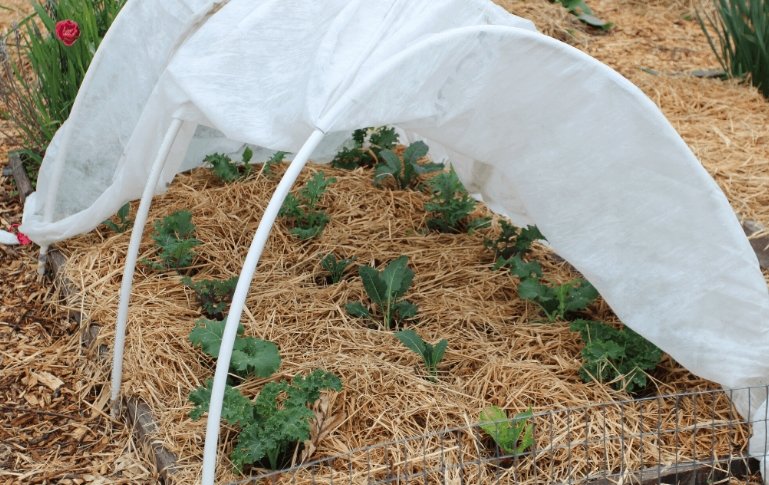
Simple Covering Methods to Shield Your Plants
One of the easiest ways to protect plants from frost involves using breathable covers that trap heat while allowing air flow. Lightweight fabrics like old bedsheets, burlap, or commercial frost blankets work best for this purpose.
Place the cover directly over the plants at dusk and remove it in the morning once temperatures rise. This method has proven effective in recent trials where covered tomatoes survived a 28-degree night unscathed. Avoid plastic sheeting, as it can trap moisture and lead to rot.
For potted plants, cluster them together on a porch or against a south-facing wall to create a microclimate. Recent gardening forums buzz with stories of people using cardboard boxes or inverted baskets overnight, turning potential losses into thriving greenery.
- Use floating row covers for vegetables; they can raise the air temperature by up to 8 degrees.
- Opt for hoops and plastic tunnels for larger beds to maintain structure without sagging.
- Ensure covers reach the ground to block cold air from sneaking underneath.
Mulching and Soil Protection Strategies
Mulching acts as insulation for plant roots, which are more vulnerable to cold than topside growth. Apply a 2 to 4-inch layer of organic material like straw, shredded leaves, or bark around the base of shrubs and perennials after the first frost.
This technique helps retain soil moisture and prevent heaving from freeze-thaw cycles common this time of year. In a 2025 study on rose bushes, mulched plants showed 50 percent less root damage compared to bare soil ones. Start mulching now to prepare for winter’s deeper chills.
For evergreens and young trees, wrap trunks with burlap to guard against sunscald, a secondary frost-related issue where daytime warmth followed by night freezes cracks bark. Combine this with watering deeply before frost, as hydrated soil holds heat better.
Watering and Wind Considerations for Better Defense
Water your garden thoroughly the day before a expected frost, since moist soil releases heat slowly overnight. This simple step can prevent desiccation in dry, cold air, a tip shared widely among Midwest gardeners facing recent wind chills.
Wind accelerates frost damage by drying out foliage, so position plants in sheltered spots or use windbreaks like fences. In windy areas, stakes and ties can secure taller plants without restricting growth. Experts note that southwesterly gusts, common in fall, have doubled frost impacts this season.
Avoid fertilizing close to frost dates, as it stimulates new growth that’s too fragile for cold. Instead, focus on hardening off plants by gradually exposing them to cooler temps earlier in the season.
Advanced Techniques and Common Mistakes to Avoid
For more delicate plants like tropicals, bring them indoors or into a garage when nights turn frosty. This indoor relocation has saved countless hibiscus and citrus pots during the unpredictable 2025 weather shifts.
Here’s a quick comparison of protection methods:
| Method | Best For | Pros | Cons | Cost Estimate |
|---|---|---|---|---|
| Fabric Covers | Annuals, Veggies | Easy to apply, reusable | Needs daily removal | Low ($5-20) |
| Mulch | Perennials, Roots | Long-lasting insulation | Attracts pests if too thick | Low ($10-30) |
| Cloches | Seedlings, Herbs | Traps heat effectively | Limited to small areas | Medium ($15-40) |
| Indoor Move | Potted Exotics | Complete protection | Space-intensive | None |
Steer clear of heavy objects like buckets unless you remove them promptly at dawn, as trapped sunlight can overheat plants. Overwatering post-frost can also lead to fungal issues, so balance is key.
Recent events, like the surprise frost in California valleys last week, highlight the need for vigilance. Gardeners there reported using LED grow lights as a backup, mimicking sunlight to aid recovery.
Timing Your Planting for Frost-Free Success
Wait until after the last frost date to plant warm-season crops, typically mid-May in northern zones according to 2025 almanacs. Planting too early stunts growth and reduces yields, as seen in delayed tomato harvests this year.
Use season extenders like cold frames for starting seeds outdoors safely. Track your local frost dates via reliable apps to plan ahead. This proactive approach not only protects but also boosts overall garden productivity.
In summary, protecting plants from frost combines preparation with quick response. Share your own frost survival stories in the comments below and tag friends who love gardening to spread these tips far and wide.