
Archaeologists in Russia just uncovered proof that ancient nomads performed complex jaw surgery centuries before anyone thought possible. A young Pazyryk woman who died around 500 B.C. had her shattered mandible drilled and splinted with animal tendon, an operation that saved her life and rewrote medical history.
The Forgotten Grave on the Ukok Plateau
In 1994, a small team working on the remote Ukok Plateau near the borders of Russia, China, Kazakhstan, and Mongolia opened a modest Pazyryk burial. They found a woman aged 25-30 laid on a simple wooden bed, wearing the usual wig but nothing else of value.
Permafrost had preserved patches of skin on her head, but the thick mummified tissue hid everything underneath. For thirty years she remained just another routine find, until scientists at Novosibirsk State University decided to run a full CT scan in 2024.
What appeared on the screens left the team speechless.
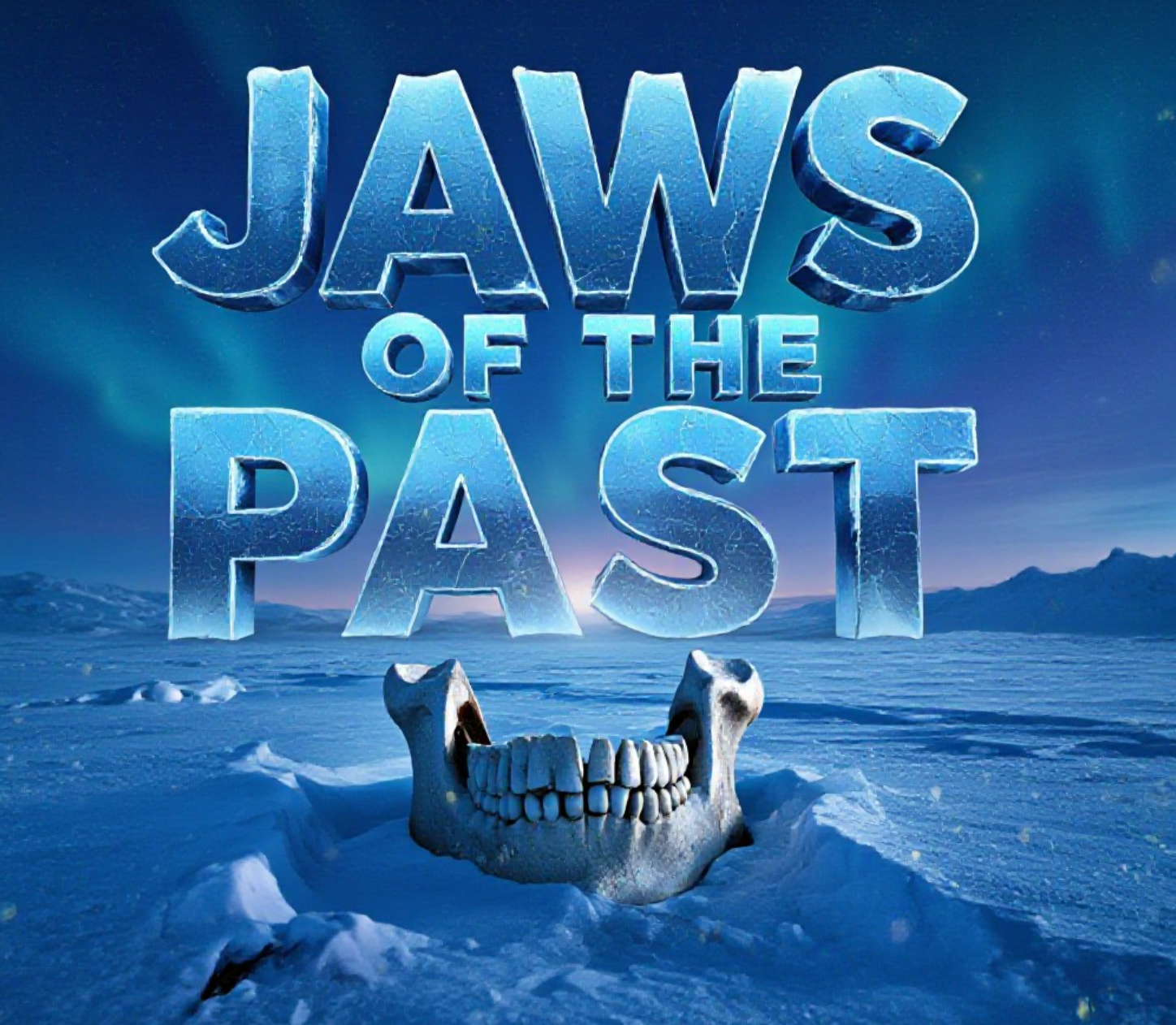
The scans showed two perfectly drilled holes in her right jawbone, connected by a flexible cord of horsehair or tendon that acted as a primitive prosthetic splint.
How Ancient Surgeons Saved Her Life
The woman had suffered catastrophic trauma. Her right mandible was completely displaced, the temporomandibular joint destroyed, and the lateral ligament torn. Experts believe she was thrown from a horse or fell from height; either way, the injury should have been fatal in the Iron Age.
Yet she lived long enough for the bone to start healing.
Russian researchers identified two thin canals drilled at precise right angles through the broken jaw fragments. An elastic thread, most likely horsehair or animal tendon, was passed through the holes and tied tight to hold the bone in place while it mended.
Lead researcher Natalia Polosmak called it “the earliest known case of surgical reconstruction of the lower jaw in the history of mankind.”
This was not crude first aid. The holes are clean, symmetrical, and placed exactly where a modern oral surgeon would drill to stabilize a fracture. The Pazyryk healer understood anatomy, infection risk, and the need for flexible fixation.
The Pazyryk Culture: Nomads Far Ahead of Their Time
The Pazyryk people roamed the Altai Mountains between the sixth and third centuries B.C. They were master horsemen, brilliant tattoo artists, and, we now know, remarkably skilled medics.
Previous finds already proved they performed successful brain surgery (trepanation) with high survival rates. Patients often lived decades after having holes bored into their skulls with bronze tools.
Now this jaw operation pushes their surgical knowledge even further.
Key medical achievements of the Pazyryk culture we know so far:
- Cranial trepanation with survival rates above 70%
- Complex tattooing with antiseptic soot-based ink
- Dental extractions and possible fillings
- Successful jaw reconstruction using tendon splints (new discovery)
Why This Changes Everything We Thought We Knew
Until now, the oldest confirmed jaw surgery came from ancient Egypt around 2,000 B.C., simple wire bindings at best. This Siberian case is 1,500 years older and technically more sophisticated because it uses internal flexible fixation instead of external wrapping.
It proves that advanced surgical knowledge existed on the Eurasian steppe long before Greek or Roman physicians.
Dr. Vladimir Kanygin, who led the CT analysis, told reporters: “We are looking at the birth of oral and maxillofacial surgery in a nomadic society that most people still imagine as primitive.”
The discovery also settles a long debate. Many scholars believed steppe nomads only adopted medicine from settled civilizations. This mummy proves they developed it themselves, possibly even taught others.
A Young Woman Who Refused to Die
Imagine the pain she endured. A shattered jaw in the middle of the frozen steppe, unable to eat or speak, far from any city or temple.
Yet someone cared enough to drill into living bone, thread tendon through the fragments, and nurse her for weeks until the jaw stabilized.
She survived the operation and lived with her repaired jaw until something else, perhaps disease or another accident, finally claimed her years later.
Her story is now the oldest known testament to human compassion and ingenuity in the face of terrible injury.
The Ukok Plateau keeps giving up its secrets. Every new scan, every fresh analysis reminds us that our ancestors were far more capable than we ever imagined.
What do you think when you picture a nomadic healer 2,500 years ago successfully rebuilding a human face with nothing but bronze tools and horse tendon? Drop your thoughts below, and if you’re sharing this story, use #PazyrykSurgeon so we can all find each other.