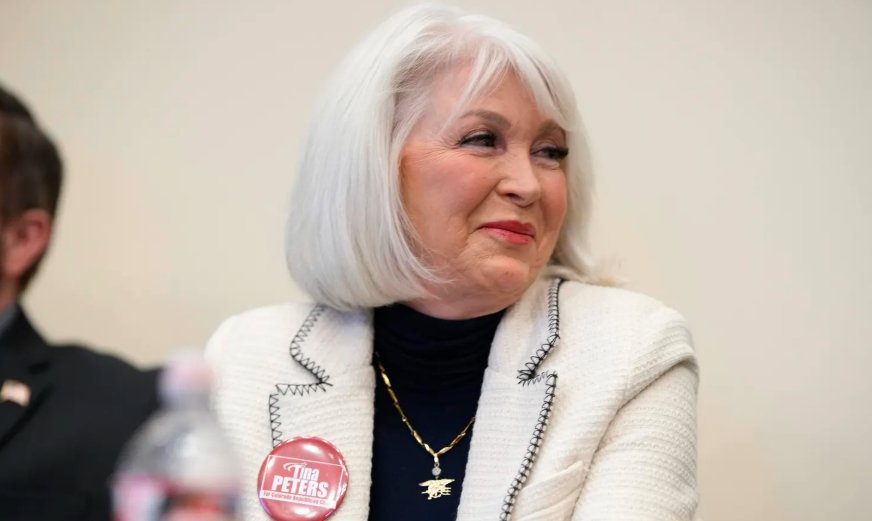
Tina Peters, the former Mesa County clerk in Colorado, has asked the state’s appeals court to recognize a pardon from President Donald Trump and free her from prison. This move comes after her conviction on state charges for tampering with election equipment in 2020, sparking debates over pardon powers and state rights.
Background on Tina Peters Case
Peters rose to national attention as a vocal supporter of claims about election fraud in the 2020 presidential race. She served as the elections clerk in Mesa County, where she allowed unauthorized access to voting machines.
Prosecutors said she copied sensitive data and shared it with outsiders, leading to her arrest and trial. A jury found her guilty on multiple counts, including official misconduct and conspiracy.
The case drew widespread media coverage because of its ties to broader disputes over election integrity. Peters maintained her innocence, arguing she acted to expose what she saw as flaws in the system.
Supporters viewed her as a whistleblower, while critics called her actions a threat to democracy. Her sentencing to nine years in prison happened in late 2024, just before the latest developments.
Details of Trump Pardon
President Trump issued the pardon in December 2025, aiming to cover Peters and others involved in 2020 election challenges. The document stated it applied to any related offenses.
However, legal experts quickly pointed out that presidential pardons only work for federal crimes, not state ones like Peters faced. This limit stems from the U.S. Constitution, which gives presidents power over federal matters but leaves states in control of their own courts.
Trump’s team argued the pardon should still influence state proceedings, citing national interest in election issues. They described it as a step to correct what they called unjust prosecutions.
Peters’ lawyers filed a motion on December 24, 2025, claiming the pardon removes the appeals court’s jurisdiction. They demanded her immediate release, saying the case is now moot.
Legal Arguments in Appeal
The Colorado Court of Appeals is scheduled to hear arguments on January 14, 2026. Peters’ team insists the pardon is valid and binding, even on state convictions.
They reference historical examples where federal actions influenced state cases, though such instances are rare. One key point is the Supremacy Clause, which makes federal law superior in certain conflicts.
Opponents, including Colorado Attorney General Phil Weiser, reject this view. Weiser stated publicly that the state will not release Peters, calling the pardon an overreach without legal basis.
Legal scholars agree that presidents lack authority over state crimes. For instance, past attempts to pardon state offenders, like in drug cases, have failed in courts.
This situation could set a precedent if the appeals court rules in Peters’ favor. It might lead to higher court reviews, possibly reaching the U.S. Supreme Court.
To break down the core legal points:
- Pardon Scope: Limited to federal offenses under Article II of the Constitution.
- State Sovereignty: Colorado controls its criminal justice system.
- Potential Outcomes: Release if accepted, or continued imprisonment if rejected.
- Broader Impact: Could affect similar cases nationwide.
Public and Political Reactions
Reactions have split along partisan lines. Trump supporters celebrate the pardon as justice for those who questioned the 2020 election.
On social media platforms like X, posts from users praised Peters as a hero fighting corruption. Some called for federal intervention if the state refuses to comply.
Critics, including Democratic leaders, warn that honoring the pardon undermines the rule of law. They argue it sets a dangerous example for future presidents.
Colorado Governor Jared Polis has stayed neutral so far, but state officials vow to uphold the conviction. National figures, such as legal analysts on news channels, debate the issue daily.
Public opinion polls from December 2025 show about 45 percent of Americans believe presidential pardons should not extend to state crimes. This data comes from surveys by groups like Pew Research, highlighting growing concerns over executive power.
Key Events Timeline
Understanding the sequence helps clarify the ongoing saga. Here is a table outlining major milestones:
| Date | Event Description |
|---|---|
| August 2021 | Peters allows access to voting machines. |
| October 2024 | Jury convicts Peters on seven charges. |
| December 11, 2025 | Trump issues pardon for Peters. |
| December 24, 2025 | Motion filed to recognize pardon. |
| January 14, 2026 | Scheduled appeals court hearing. |
This timeline shows how the case has evolved from local incident to national controversy.
What Happens Next
The appeals court’s decision could come weeks after the January hearing. If they reject the pardon, Peters may appeal to the Colorado Supreme Court.
Federal involvement remains possible, though unlikely without new charges. Experts predict the state will prevail, keeping Peters in prison.
This case ties into recent events, like ongoing probes into 2020 election interference in other states. It also echoes debates from the 2024 presidential race, where election security was a hot topic.
As this story develops, it raises questions about power balances in the U.S. system. Readers, share your thoughts in the comments below and pass this article along to spark discussions with friends.