
News
Western Colorado Museums Ask Community: Shape Our Next 60 Years

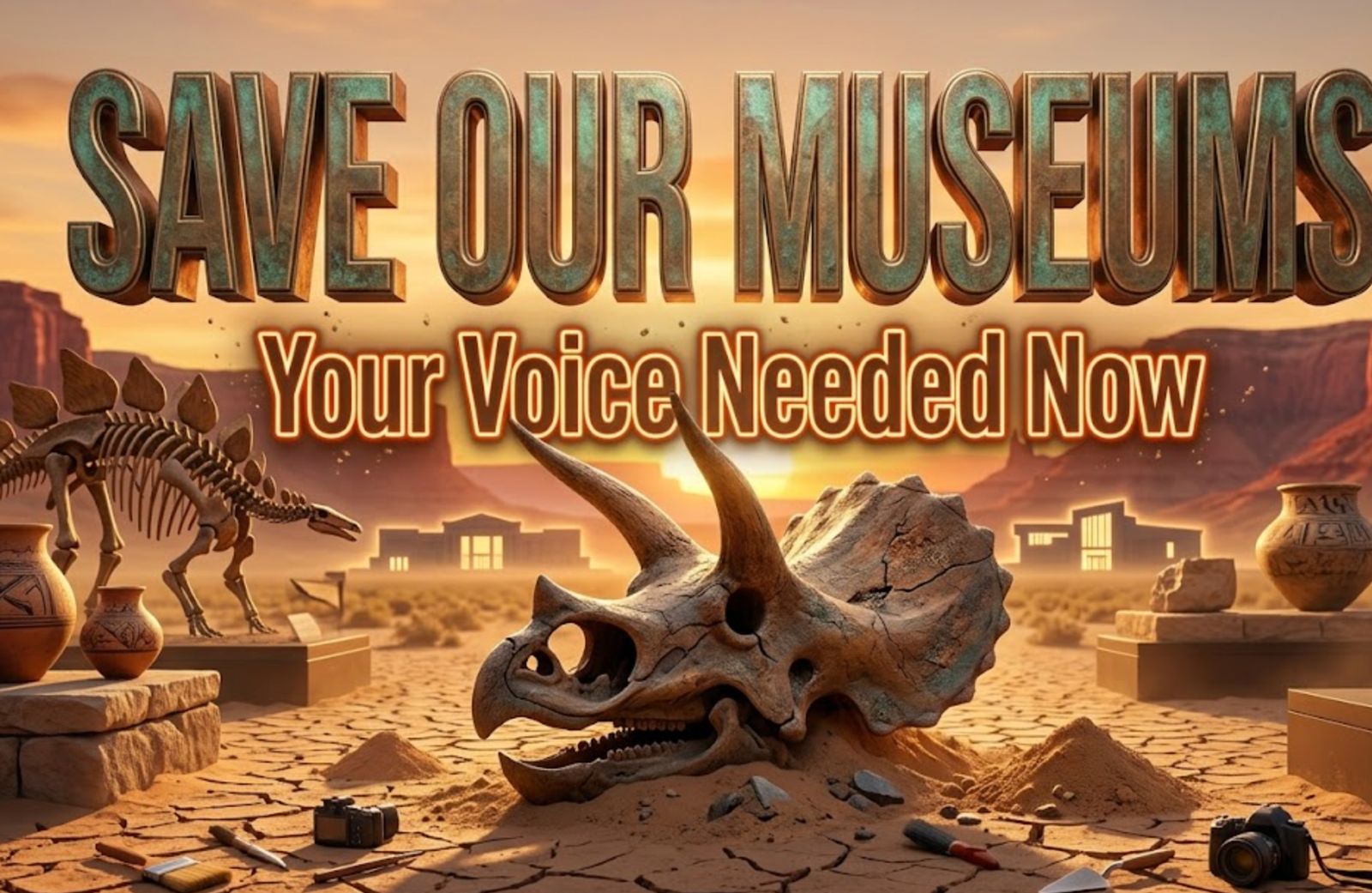
GRAND JUNCTION, Colo. — After six decades of telling the stories of dinosaurs, cowboys, and orchard pioneers, the Museums of Western Colorado are asking residents one simple but urgent question: what should the next chapter look like?
A packed public meeting Wednesday night showed just how much people care. Families who grew up walking the halls of Dinosaur Journey, retirees who volunteer at Cross Orchards, and kids who still get goosebumps touching real triceratops bones all showed up to make sure their favorite places stay alive and exciting for another generation.
The museums are at a turning point, and they want every voice in the room before they decide which path to take.
Why Change Is Coming Now
The push for revitalization did not come out of nowhere.
County commissioners sent a letter urging the museums to examine long-term sustainability. The American Alliance of Museums, the organization that grants their hard-earned accreditation, delivered the same message: plan for the future or risk falling behind.
Mollie Shepardson, director of development and communications, told the crowd the museums are “picking up each rock, looking carefully underneath it, and asking the tough questions.”
Visitor habits have changed dramatically since the museums first opened. People now choose between Netflix, TikTok, outdoor adventures, or a dozen other weekend options. Museums have to compete for attention like never before.
The goal is simple: stay relevant, stay open, and keep telling western Colorado’s stories in ways that make people put down their phones and walk through the doors.
What the Community Said They Want
Wednesday’s meeting was equal parts nostalgia and forward-thinking wish list.
Parents asked for more shaded outdoor seating and better stroller access at Dinosaur Journey. Teachers begged for updated classroom spaces where they can bring entire busloads of students. History buffs pushed to save every inch of Cross Orchards, while others suggested new interactive exhibits that let kids “drive” a virtual stagecoach or dig for digital fossils.
Several people simply said: make it easier to spend an entire day across all three sites without feeling rushed or exhausted.
Shepardson took furious notes and promised every idea would go into the master planning document.
One recurring theme stood out: people do not want sterile, screen-heavy galleries. They want authentic objects, real stories, and places that still smell like sagebrush and old wood.
The Three Sites, Three Different Futures
Each location faces unique challenges and opportunities.
Museum of the West in downtown Grand Junction houses priceless artifacts from Native American history to the uranium boom. Many visitors Wednesday asked for a complete refresh of the cowboy and gunfighter section, calling current displays “stuck in the 1980s.”
Dinosaur Journey in Fruita remains the star attraction, drawing families from across the country. But robotics on the animated dinosaurs are aging, and the gift shop feels cramped on busy summer days. Parents want a bigger paleontology lab where kids can watch real scientists work.
Cross Orchards Historic Site is the emotional favorite for many locals. The 125-year-old farm feels frozen in time, in both good and bad ways. Some buildings need serious structural work. Volunteers worry that without upgrades, the apple festivals and living-history days that define Mesa County summers could fade away.
Every option is on the table: major renovations, new buildings, consolidated exhibits, or even tough choices about which site gets priority funding.
Decisions Coming This Summer
Museum leaders say they will spend the next few months crunching numbers from the feasibility study alongside the hundreds of comments collected Wednesday night.
Major announcements are expected before fall. Whatever direction they choose, Shepardson promised transparency every step of the way.
For now, the message to the community is clear: your stories built these museums 60 years ago, and your ideas will carry them forward for the next 60.
If you missed the meeting but still want your voice heard, the museums have an online survey open through the end of May on their website.
Western Colorado’s history is not just in glass cases. It is in the memories of every person who ever pressed their nose against a dinosaur bone or tasted apple pie baked in a wood-fired oven at Cross Orchards.
Those places belong to all of us. Now is the moment to say what we want them to become.
Tell us in the comments: which museum memory means the most to you, and what change would make you visit more often?








Spotify Running Mode hits Android and revives its old tempo experiment

Galaxy Tab S12 Ultra Renders Keep the Notch Fans Hate

Novato Spinning Round House Sells With Six Neighbors for $3.3 Million

Crop Tour Finds Indiana and Nebraska Corn Yields Lagging 2025

Best Buy 60th sale brings Android deals back to its roots

American Airlines reverses seatback screen bet years too late

Iran Hormuz Strikes Force Gulf Oil Onto Costlier Paths

Plague Tale Prequel Day One Joins Game Pass Wave 2 as Witcher Exits

NBA 2K27 opens The City to everyone and rewrites career eras

iOS 26.6.1 Patches 29 Flaws as AI Forces Faster Apple Updates

Double Fine Cuts 23 Jobs Weeks After Xbox Independence

Day-One Big Walk Lifts PS Plus August Beyond Recycled AAA

John Hight Exits Wizards After Digital Reckoning Hits

Curtis Mead’s Red Sox Debut Ends With Fractured Wrist

Red Sox Squander Hot Streak Chance in 4-3 Loss to Athletics

Moesch and Dressel Rewrite Night One at 2026 U.S. Nationals

Boutte’s Quiet Camp Takeover Forces Patriots Receiver Choices

Take-Two CEO Pushes Netflix Subs for GTA 6 Extended Look

Halo Campaign Evolved Skulls Meet Death Barriers That Kill the Hunt

Wildlands Free Update Hands Players the Tools They Already Invented
-

 TECHNOLOGY3 years ago
How to Adjust a Bulova Watch Band – An Easy Guide
-

 News3 years ago
Fred Pentland: Athletic Bilbao’s English mentor who changed the essence of Spanish football
-

 FINANCE3 years ago
Tax Planning for Every Season: Guide to Maximizing Your Tax Benefits
-

 Education3 years ago
African Ministers New Education Plan
-

 BUSINESS3 years ago
What is Entrepreneurial Operating System? A Comprehensive Guide to EOS
-

 Education3 years ago
Innovate Your Learning Journey with Technology and Enhance Education
-

 News3 years ago
Russians formally out of World Athletics Championships
-

 BUSINESS3 years ago
Top 9 Most Expensive American Cities to Rent an Apartment