
News
Wildfire Smoke May Cloud More Than the Skies: How to Guard Your Brain

As wildfires churn along Colorado’s Western Slope, the haze drifting into your neighborhood could be doing more than stinging your eyes — it might be quietly hurting your brain too.
Scientists and health experts are ringing alarm bells about the link between wildfire smoke and long-term cognitive issues, including dementia. So what can you do to protect yourself and your loved ones when the air turns thick with haze?
Smoke That Sneaks Into Your System
Jim Herlihy with the Alzheimer’s Association in the Rocky Mountain Region doesn’t mince words. “They carry a higher level of toxic materials,” he says about wildfire plumes.
One line: Those tiny particles don’t just stay in your lungs.
They slip into your bloodstream, hitching a ride to places you wouldn’t expect — like your brain. Researchers have found more than just a casual link between wildfire exposure and higher dementia risk.
The Alarming Numbers Behind the Haze
In 2021, wildfires accounted for about 25% of all air pollution particles drifting through our environment. Since then?
Herlihy says that share has basically doubled. That means more chemicals, more toxins, and more health worries drifting over neighborhoods like Grand Junction.
-
Smoke particles can increase inflammation in your body.
-
Long-term exposure may raise the odds of memory problems later.
-
Children and seniors are especially vulnerable.
It’s not just an abstract health concern. It’s about what happens when your next breath brings in more than oxygen.
Small Steps to Guard Your Cognitive Health
Protecting your mind starts with protecting your lungs. Sounds obvious, but too many people skip these simple steps.
One short line: Stay indoors when smoke levels rise.
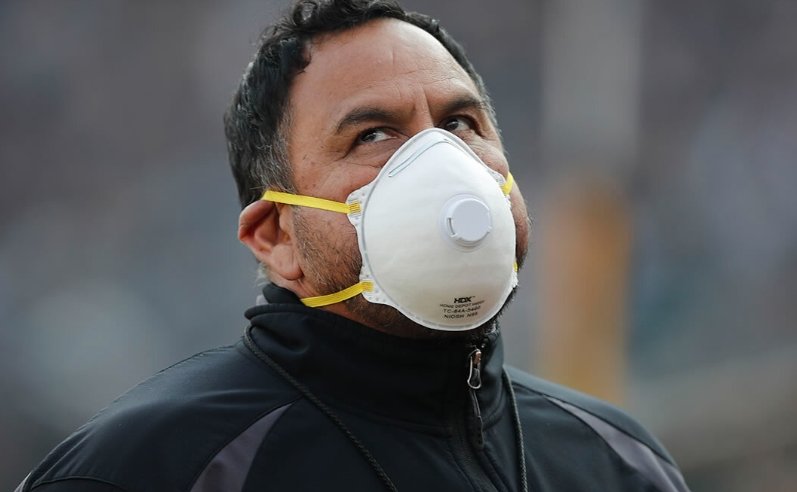
And when you do go out? Herlihy strongly recommends an N95 mask. Not a basic cloth one — the good stuff that actually filters fine particles.
At home, your furnace filter is your friend. Herlihy says to swap it out every couple of months. Wildfire season means more particles getting trapped in your system — or worse, blowing back into your living room.
Here’s a quick cheat sheet:
| Protection Step | How Often? |
|---|---|
| Wear N95 outdoors | When air quality drops |
| Change furnace filter | Every 2-3 months |
| Limit outdoor exercise | On smoky days |
Watching for Warning Signs
Sometimes the symptoms sneak up on you. Brain fog, headaches, fatigue — all can come from bad air days.
Herlihy suggests paying attention. If you feel off, don’t shrug it off.
One-liner: Call your doctor if smoke exposure makes you feel worse than usual.
And if you already worry about dementia or cognitive decline in the family? The Alzheimer’s Association has a 24/7 helpline (800-272-3900) for questions or support.
More Than a Nuisance — It’s a Health Factor
It’s easy to think of wildfire smoke as just an inconvenience. But with bigger blazes burning more often, experts say it’s time to treat air quality like any other health priority.
Herlihy puts it simply: “It’s not just a nuisance, it’s really a health factor.”
So the next time that brown haze rolls in, remember: It’s not just your lungs you’re protecting — it’s your mind too.













Stock Futures Wobble as Trump’s Hormuz Blockade Meets Earnings Season

Chipotle Enters Mexico, the Market That Sank Taco Bell Twice

Samsung’s Galaxy Watch 9 and Watch Ultra 2 Bet on a Borrowed Chip

Pentagon Suspends CMMC Phase 2, Relieving Small Firms, Straining Assessors

PS5 Adds a Weekly Wrap-Up Widget While Recently Played Stays Broken

A Brazilian Gamer Sued Microsoft Over a Hacked Xbox Account, and Won

Volkswagen’s CEO Confirms 100,000 Jobs Are on the Table

Assassin’s Creed Black Flag Resynced Splits Handhelds by Price

Lorde Calls Smart Glasses ‘Not Sexy’ Right on Ray-Ban’s Own Stage

Nintendo Eyes a Switch 2 OLED Model as the Memory Crisis Bites

Halo Studios Reverses PS Plus for Halo: Campaign Evolved on PS5

Black Ops 1 and 2 PS5 Ports: $40 Price Tag Has Fans Uneasy

Matt Brown Dismisses Rousey and Paul’s MVP MMA Ratings Win Over UFC

Star Wars: Galactic Racer Is a Roguelite Racer With a Podracing Skin

Julius Randle Traded to Nets as Wolves Reclaim Cap Space for Dosunmu

Sega’s $49.99 Sonic Classic and Modern Bundles Hit Switch in October

Colombia Edge DR Congo as Muñoz Books World Cup Knockout Place

Douze Dixièmes Closes Five Months After MIO: Memories in Orbit

Warriors Take Yaxel Lendeborg, the Oldest Pick in the 2026 NBA Draft

Warhammer Horus Heresy Super-Heavy Tanks Share a Plastic Chassis
-

 TECHNOLOGY3 years ago
How to Adjust a Bulova Watch Band – An Easy Guide
-

 News3 years ago
Fred Pentland: Athletic Bilbao’s English mentor who changed the essence of Spanish football
-

 FINANCE3 years ago
Tax Planning for Every Season: Guide to Maximizing Your Tax Benefits
-

 Education3 years ago
African Ministers New Education Plan
-

 BUSINESS3 years ago
What is Entrepreneurial Operating System? A Comprehensive Guide to EOS
-

 Education3 years ago
Innovate Your Learning Journey with Technology and Enhance Education
-

 News3 years ago
Russians formally out of World Athletics Championships
-

 BUSINESS3 years ago
Top 9 Most Expensive American Cities to Rent an Apartment