
News
Colorado SAR Fee Hike Boosts Rescue Funding

Search and rescue teams in Colorado will get a big funding lift starting next year. Colorado Parks and Wildlife raised the Backcountry Search and Rescue fee from 25 cents to 1.25 dollars on wildlife licenses and registrations for boats, snowmobiles, and off road vehicles after keeping it steady since 1987.
Details of the Fee Increase
The change takes effect on January 1, 2026. This small surcharge applies to anyone buying a hunting or fishing license or registering certain outdoor vehicles in the state.
State officials say the hike reflects rising costs over time. Inflation has made gear and training more expensive for these vital services.
Last year, the old fee brought in about 326,000 dollars total from various sources. Experts predict the new amount could add up to two million dollars more each year to support local teams.
Reasons Behind the Funding Boost
Colorado sees more people heading into the wild each year. This leads to a higher number of rescue calls, especially tricky ones in rough terrain.
Over the past 15 years, high risk operations have jumped. Teams need better tools to stay safe while helping others.
The program manager notes that special training and equipment are key for these missions. Without updates, volunteers could face bigger dangers on the job.
State leaders point to the consumer price index as a guide for the adjustment. This keeps the fund in line with real world expenses.
How the Money Will Support Teams
Colorado has around 50 volunteer search and rescue groups across its counties. All of them offer free help to lost or hurt outdoor fans.
Funds go straight to local needs through reimbursements and grants. Counties decide how to spend on items that keep operations running smooth.
Here are some key ways the money helps:
- Buy radios, ropes, and other gear for tough rescues.
- Pay for training courses to sharpen skills.
- Cover vehicle upkeep and small building fixes.
- Support mental health services for team members after hard calls.
This boost comes at a good time with more folks exploring. It ties into recent trends like crowded trails after big events in the Rockies.
Volunteer Efforts and Real Impact
These teams step up day or night without pay. They handle everything from lost hikers to injury extractions in remote spots.
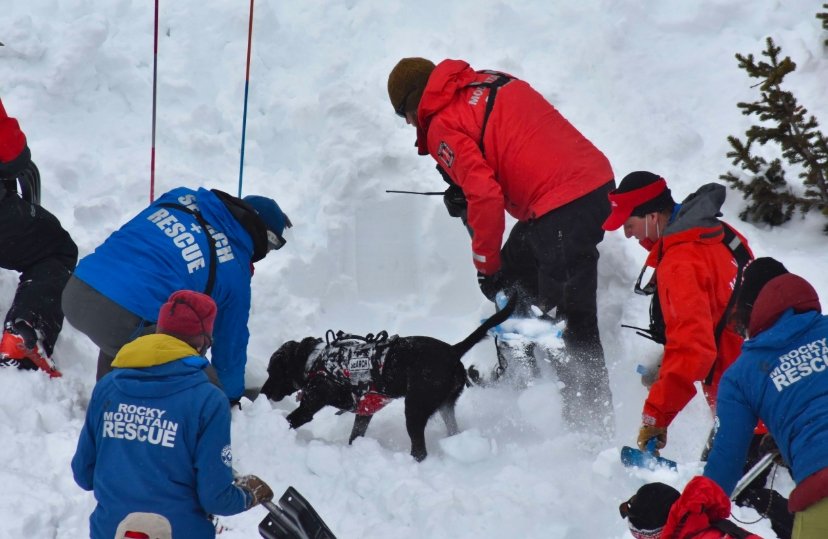
In one recent case, volunteers pulled off a nighttime save in snowy mountains. Such stories show why steady funding matters for quick responses.
The state also runs the CORSAR card program for extra support. For just 20 dollars over five years, it adds to the fund and covers rescue costs if needed.
A table below shows a quick look at funding sources from last year:
| Source | Amount Raised (Old Fee) |
|---|---|
| Vehicle Registrations | 77,000 dollars |
| Wildlife Licenses | 149,000 dollars |
| CORSAR Cards | 100,000 dollars |
| Total | 326,000 dollars |
With the increase, totals should climb fast. This means more resources for areas like the busy Front Range and remote western counties.
Looking Ahead for Safer Adventures
The fee change aims to keep Colorado’s outdoors open and safe for all. It balances user support with the growing demands of adventure seekers.
Experts urge everyone to plan trips well and carry basics like maps and water. This cuts down on calls and eases the load on teams.
As more people hit the trails, smart choices help everyone enjoy the states natural beauty. Share your thoughts on this update in the comments below and pass the article along to fellow outdoor lovers.












Geekbench 7 Launches and Erases Three Years of Scores

Google’s Selfie Video Sign-In Arrives as Deepfake Fraud Surges

Samsung’s New Galaxy Z Fold 8 Undercuts Its Own Ultra

Kroger and Brookshire’s Recall Over 19 Million Eggs for Salmonella

Mortgage Rates Hit an 11-Month High as Oil Fears Bite

Oil’s Price Shock Collides With Wall Street’s AI Spending Boom

Parsley and Cilantro Emerge as Cyclospora Suspects in North Carolina

Walmart Dresser Recall Reveals a Wider Furniture Safety Sweep

Apple’s iOS 27 Speed Fixes Echo Its 2018 Playbook

Cheshire Medical Center Cyclospora Cluster Exposes a Wider Outbreak

Pokémon GO Developer Niantic Rebrands as Scopely Explore

Persona 4 Revival Hands All Anime Cutscenes to Studio MAPPA

Doom Studio id Software Cuts Half Its Staff in Xbox Layoffs

Jaylen Brown Traded to 76ers for Paul George and Four Draft Picks

Nintendo Switch Online Adds Four Classics and One Japan-Only Title

Jordan Henderson Hospitalized After Wrist Injury at the Azteca

Mexico’s World Cup Run Ends at Azteca as England Hold On 3-2

Meta’s Muse Image Lets Anyone Use Your Instagram Photos in AI

Louis Vuitton Beats Molly Tea in China, Triggers Cultural Backlash

Pink Bearista Cup Returns July 13 as Starbucks Pink Vibes Drops
-

 TECHNOLOGY3 years ago
How to Adjust a Bulova Watch Band – An Easy Guide
-

 News3 years ago
Fred Pentland: Athletic Bilbao’s English mentor who changed the essence of Spanish football
-

 FINANCE3 years ago
Tax Planning for Every Season: Guide to Maximizing Your Tax Benefits
-

 Education3 years ago
African Ministers New Education Plan
-

 BUSINESS3 years ago
What is Entrepreneurial Operating System? A Comprehensive Guide to EOS
-

 Education3 years ago
Innovate Your Learning Journey with Technology and Enhance Education
-

 News3 years ago
Russians formally out of World Athletics Championships
-

 BUSINESS3 years ago
Top 9 Most Expensive American Cities to Rent an Apartment