
News
Colorado Cracks Down on Wildlife Trafficking With Tough New Law

Trafficking in wildlife just got riskier in Colorado. A new law signed this week ups the stakes—making high-dollar illegal activity a felony and arming enforcement agencies with more tools to catch offenders in the act.
It’s a bold step in a fight that’s often overlooked—but the black market for wildlife is very real, and it’s growing.
State Law Gets Teeth Against Wildlife Crime
Until now, Colorado Parks and Wildlife (CPW) was playing a bit of catch-up. Illegal trafficking in species—from big game to exotic birds—was slipping through cracks. Monday’s bill signing, backed by Governor Jared Polis, aims to change that.
This isn’t just about poachers or smuggling rare feathers. The new law makes trafficking wildlife worth $10,000 or more a Class 4 felony—on par with serious theft or aggravated assault in the state’s legal books.
CPW Director Jeff Davis wasn’t shy about its significance:
“CPW can now better disrupt the growing black market for wildlife,” he said.
This law doesn’t just increase penalties. It beefs up investigative power, expands who CPW can go after, and gives prosecutors a more defined legal pathway to bring cases to court.
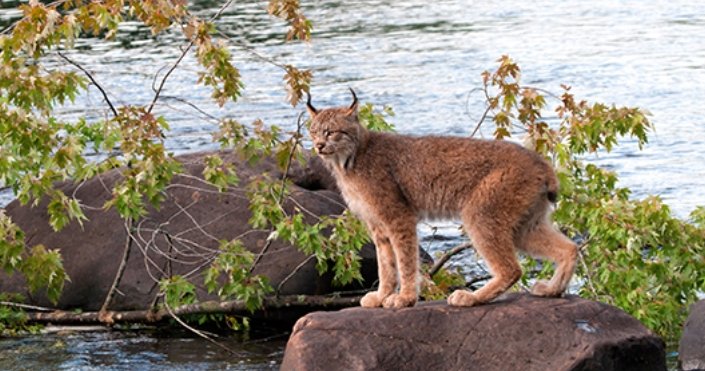
Why Wildlife Trafficking Has Become a Bigger Problem
It’s not the kind of crime that grabs headlines every day. But behind closed doors—and in remote pockets of the state—wildlife crime has been quietly escalating.
Illegal hunting, export of rare species, and black-market trophy sales have all been on the rise.
The data backs it up:
-
CPW opened more than 1,200 wildlife trafficking investigations in 2024 alone.
-
Wildlife black market cases have increased 31% in Colorado over the past five years.
-
Nationwide, illegal wildlife trade generates an estimated $19 billion annually, according to the UN Environment Programme.
Why the uptick? There’s money in it. Antlers, pelts, feathers, meat, even live animals—certain buyers will pay big if they’re rare enough or hard to get legally.
Trafficking Cases No Longer Slipping Through the Net
Before this law, prosecutors sometimes struggled to bring serious charges in trafficking cases unless other crimes were involved—like illegal weapons or interstate smuggling.
Now, with the felony threshold clearly defined, CPW officers and district attorneys can zero in on trafficking as a standalone crime.
That matters. Because the black market doesn’t follow neat legal categories. And sometimes, by the time federal agents get involved, the trail’s already cold.
Here’s what changes with the new law, broken down:
| Change Introduced | Previous Status | New Authority |
|---|---|---|
| Class 4 Felony for $10K+ wildlife trafficking | Often misdemeanor or minor felony | Full felony status, up to 6 years prison |
| Expanded Investigative Tools | Limited CPW authority | New legal pathways to issue subpoenas, gather intel |
| Streamlined Prosecution Path | Patchy case history | Clearer statute language simplifies charges |
For conservation officers on the ground, this isn’t just helpful—it’s a game-changer.
What’s Being Trafficked, Anyway?
People often imagine elephant tusks or rhino horns when they think of wildlife trafficking. That’s not Colorado’s reality. Here, the black market has its own cast of characters.
It includes:
-
Big game parts like elk antlers and bear gallbladders
-
Live species like rare reptiles, sometimes sold online
-
Exotic birds taken from the wild
-
Illegal sale of mountain lion hides or even meat
A bear gallbladder, for instance, can fetch hundreds of dollars on international markets for use in traditional medicine. Antlers are turned into everything from decorations to dog chews—legally and illegally.
And it’s not just backwoods poachers. Online groups and shady brokers often play middleman roles. It’s surprisingly organized for what some still see as a fringe crime.
Bipartisan Support and Backing from the Field
Interestingly, the bill sailed through the state legislature with strong bipartisan support. For a politically polarized time, that’s not nothing.
Republicans and Democrats alike saw the value in protecting Colorado’s wildlife—and its billion-dollar outdoor recreation economy. Hunters, anglers, and conservationists were also largely in favor.
“This isn’t about stopping legal hunting,” said one CPW enforcement officer off the record. “It’s about stopping the people who are wrecking it for everyone else.”
Laws like these also build public trust in game management and law enforcement, both of which have faced criticism in recent years.
Locals React: “It’s About Time”
Reaction from the Grand Junction area was mostly positive.
One local outfitter called the law “long overdue.” He’s seen firsthand how black-market sales can threaten licensed hunting and tourism operations.
“It undercuts everyone doing it by the book,” he said. “Some guy selling a cougar pelt out of his trunk for $3,000? That screws over people trying to run a real guide service.”
A wildlife rehab volunteer said she hoped it would also increase protection for smaller, less charismatic animals often trafficked for pet markets.
“There’s more than just deer and elk at stake,” she said.











Spotify Running Mode hits Android and revives its old tempo experiment

Galaxy Tab S12 Ultra Renders Keep the Notch Fans Hate

Novato Spinning Round House Sells With Six Neighbors for $3.3 Million

Crop Tour Finds Indiana and Nebraska Corn Yields Lagging 2025

Best Buy 60th sale brings Android deals back to its roots

American Airlines reverses seatback screen bet years too late

Iran Hormuz Strikes Force Gulf Oil Onto Costlier Paths

Plague Tale Prequel Day One Joins Game Pass Wave 2 as Witcher Exits

NBA 2K27 opens The City to everyone and rewrites career eras

iOS 26.6.1 Patches 29 Flaws as AI Forces Faster Apple Updates

Double Fine Cuts 23 Jobs Weeks After Xbox Independence

Day-One Big Walk Lifts PS Plus August Beyond Recycled AAA

John Hight Exits Wizards After Digital Reckoning Hits

Curtis Mead’s Red Sox Debut Ends With Fractured Wrist

Moesch and Dressel Rewrite Night One at 2026 U.S. Nationals

Red Sox Squander Hot Streak Chance in 4-3 Loss to Athletics

Boutte’s Quiet Camp Takeover Forces Patriots Receiver Choices

Take-Two CEO Pushes Netflix Subs for GTA 6 Extended Look

Halo Campaign Evolved Skulls Meet Death Barriers That Kill the Hunt

Wildlands Free Update Hands Players the Tools They Already Invented
-

 TECHNOLOGY3 years ago
How to Adjust a Bulova Watch Band – An Easy Guide
-

 News3 years ago
Fred Pentland: Athletic Bilbao’s English mentor who changed the essence of Spanish football
-

 FINANCE3 years ago
Tax Planning for Every Season: Guide to Maximizing Your Tax Benefits
-

 Education3 years ago
African Ministers New Education Plan
-

 BUSINESS3 years ago
What is Entrepreneurial Operating System? A Comprehensive Guide to EOS
-

 Education3 years ago
Innovate Your Learning Journey with Technology and Enhance Education
-

 BUSINESS3 years ago
Top 9 Most Expensive American Cities to Rent an Apartment
-

 News3 years ago
Russians formally out of World Athletics Championships