Colorado’s Universal Preschool Program has shattered enrollment records for the 2026-2027 school year, with over 12,000 families applying in the first few days alone. This fourth-year initiative, which provides up to 15 hours of free preschool to children in the year before kindergarten, highlights growing demand for affordable early education across the state.
Program Breaks Application Records
Families across Colorado rushed to sign up when enrollment opened for the 2026-2027 year, submitting a record 12,886 applications by December 22, 2025. On the very first day, 5,913 applications poured in, marking a 48.7 percent jump from the previous year’s opening day.
This surge shows strong interest in the program, which launched in 2023 and has served more than 87,000 children statewide so far. Officials point to the ease of the online system at UPK.Colorado.gov, where parents can apply until February 2, 2026.
The program uses a mixed delivery system, letting families choose from school-based, community, or home providers. This flexibility has boosted participation, especially in rural areas where options were once limited.
Governor Jared Polis praised the effort, noting it saves families an average of $6,300 per year on preschool costs. Funded by tobacco taxes and state dollars, it aims to give every child a strong start.
Key Benefits for Families and Kids
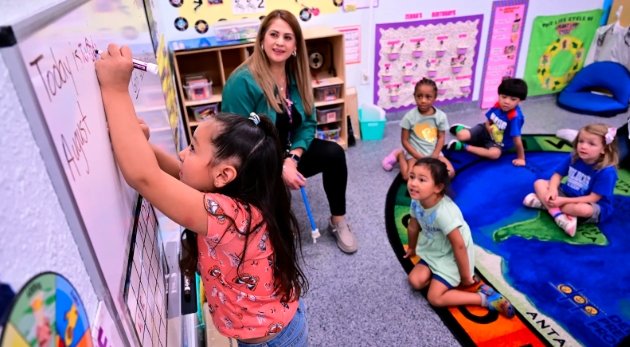
Every eligible child gets at least 10 to 15 hours of free, high-quality preschool weekly, with extra hours available for those who qualify based on income or other factors.
For low-income families, the program offers more support. Children from households at or below 100 percent of federal poverty guidelines can access additional hours, while those up to 270 percent may qualify with factors like dual-language needs or special education requirements.
Studies show early education improves school readiness, social skills, and long-term success. In Colorado, participants have shown better kindergarten outcomes, reducing achievement gaps.
Parents report relief from childcare costs, allowing more to work or pursue education. One Denver mother shared how the program let her return to her job without financial strain.
The state focuses on quality, with providers meeting strict standards for curriculum and teacher training. This ensures kids get engaging, play-based learning that builds foundations in math, reading, and emotional growth.
Funding and Sustainability Efforts
The program draws from tobacco tax revenue and general fund allocations, creating a stable base without raising new taxes. This model has held steady since launch, even as demand grows.
State leaders are working to keep providers involved, with high retention rates thanks to fair funding and support. Dr. Lisa Roy, head of the Colorado Department of Early Childhood, said most family needs are met, though some areas need more spots.
Here’s a quick look at enrollment trends over the years:
| School Year | Applications Submitted | Children Served |
|---|---|---|
| 2023-2024 | Around 25,000 | Over 40,000 |
| 2024-2025 | About 30,000 | Nearly 50,000 |
| 2025-2026 | Over 35,000 | More than 42,000 |
| 2026-2027 | 12,886 (as of Dec 2025) | Projected 45,000+ |
These numbers reflect steady growth, driven by word-of-mouth and outreach.
No major expansions are planned yet, but enhancements like better tech for matching families to providers are in the works. This keeps the system efficient and responsive.
Challenges and Future Outlook
While success is clear, challenges remain in underserved communities where provider shortages persist. Rural areas sometimes face longer waits, prompting calls for targeted recruitment.
Critics worry about funding long-term, especially if tobacco revenues dip. However, supporters argue the benefits outweigh costs, with economic returns from a better-educated workforce.
Recent events, like the 2025 budget talks, reaffirmed commitment to early childhood programs. Polis’s administration ties this to broader goals of equity and family support.
Looking ahead, experts predict even higher enrollment as awareness spreads. The program aligns with national trends toward universal pre-K, seen in states like New York and California.
Families can still apply, and officials encourage checking eligibility for extra hours.
Community Impact and Voices
In places like Grand Junction and Pueblo, local schools report full classes and happy parents. Providers say the influx brings energy and resources to early education.
Chynna Roberts, a program spokesperson, called the numbers thrilling, noting they help child development and family budgets across all backgrounds.
Community groups host info sessions to guide applications, ensuring no one misses out.
- Key qualifying factors for extra hours include low income, disability, foster care, or homelessness.
- Dual-language learners also get priority for extended time.
- Applications require basic household info, like size and income sources.
These elements make the program inclusive and effective.
What do you think about Colorado’s preschool push? Share your thoughts in the comments or spread the word to help other families learn about this opportunity.