
A groundbreaking exhibition at the British Museum is shattering centuries-old stereotypes about samurai warriors. New research reveals that by the 17th century, women made up roughly half of Japan’s samurai class, serving not just as homemakers but as artists, scientists, firefighters, and battlefield commanders.
Women Warriors Challenge Historical Assumptions
The “Samurai” exhibition, running from February through May 2026 at the British Museum, presents compelling evidence that female samurai played a far more significant role in Japanese history than previously acknowledged. Curator Rosina Buckland’s research demonstrates that women comprised approximately 50 percent of the samurai class by the Edo period.
These female warriors, known as Onna-bugeisha and Onna-musha, defied the traditional image of samurai as exclusively male fighters clad in armor.
The exhibition features rare artifacts showcasing the diverse roles women held within samurai society. While some managed households and raised children, others broke gender barriers by working as government officials, scholars, and even combat firefighters during Japan’s extended era of peace.
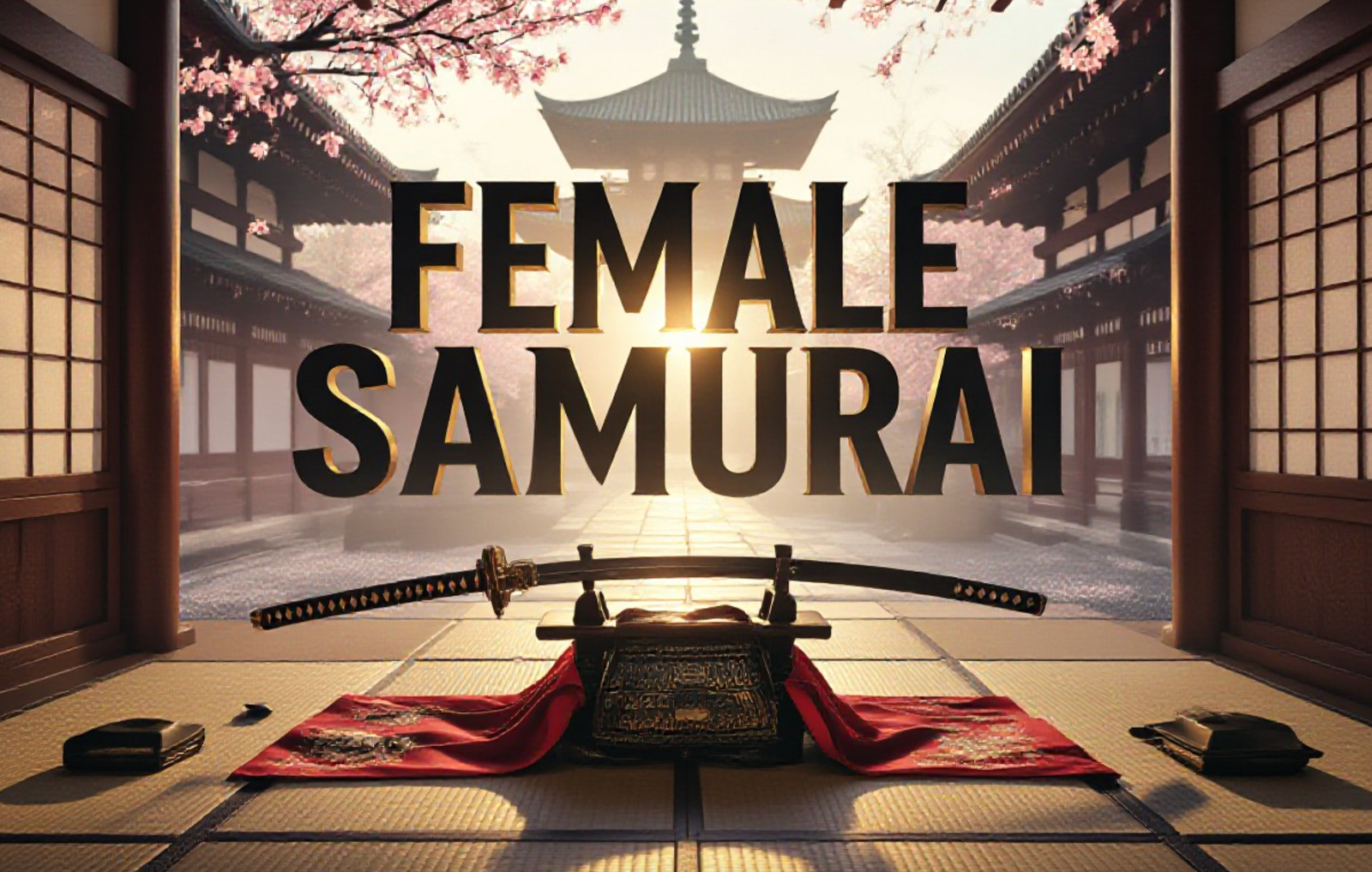
Legendary Female Warriors Who Shaped History
Japan’s female samurai tradition stretches back centuries before the Edo period. Historical records document remarkable women who commanded respect on the battlefield and influenced the course of Japanese history.
Tomoe Gozen stands as perhaps the most celebrated female samurai in Japanese history. Fighting in the late 12th century, she reportedly led hundreds of warriors into combat and became legendary for her skill in beheading enemies. According to historical accounts, she later retired from military life to become a Buddhist nun.
Another formidable warrior, Ōhōri Tsuruhime, defended her island home of Ōmishima in the 16th century. The daughter of a priest, she earned the nickname “the Joan of Arc of Japan” after infiltrating an enemy ship and killing its commander in single combat. Her unique combination of martial prowess and religious authority made her a revered figure.
The emergence of these warriors coincided with the rise of the samurai class itself. Originally hired as mercenaries by wealthy landowners in the 10th century, samurai evolved into an elite ruling class after the establishment of Japan’s first shogunate in 1192.
Transformation During The Peaceful Edo Era
The Edo period, beginning in 1603, marked a dramatic shift in samurai culture. Extended peace across Japan reduced the demand for warriors, fundamentally changing what it meant to be samurai.
Military skills gave way to intellectual and cultural pursuits. Samurai became administrators, teachers, and cultural leaders.
This transformation created unprecedented opportunities for women in the samurai class. Female samurai during this era:
- Served as government officials and bureaucrats
- Became accomplished painters and calligraphers
- Worked as scientists and medical practitioners
- Operated as firefighters in urban centers
- Managed estates and family businesses
The British Museum exhibition displays artifacts illustrating these varied roles, including artwork created by female samurai, ceremonial weapons, and personal items that reveal their daily lives. These objects challenge Western assumptions about gender roles in historical Japan.
Uncovering Overlooked Heroes
The exhibition represents years of research into historical records, family archives, and archaeological findings. Buckland and her team examined documents that previous scholars had overlooked or misinterpreted due to gender biases.
Many female samurai left minimal written records because historical chroniclers focused primarily on male warriors. The artifacts now on display help fill these gaps in the historical narrative.
Visitors to the exhibition can view weapons specifically designed for female warriors, including the naginata, a pole weapon that became associated with women’s martial training. Armor pieces adapted for female fighters demonstrate the practical acknowledgment of women’s battlefield roles.
The exhibition also features artwork depicting female samurai in various aspects of daily life, from managing households to participating in cultural ceremonies. These images provide rare glimpses into a world where women held significantly more power and agency than commonly believed.
Global Impact On Understanding Gender History
This revelation about female samurai challenges not just Japanese history but global assumptions about women’s roles in warrior cultures. The exhibition has sparked conversations among historians about gender bias in historical research and interpretation.
The finding that women comprised half the samurai class during the Edo period contradicts decades of scholarship that portrayed samurai society as overwhelmingly male-dominated. This oversight reflects broader patterns in historical research that have minimized or ignored women’s contributions across cultures.
Museums and universities worldwide are now reexamining their collections and archives for similar overlooked evidence of women’s participation in military and governing classes. The British Museum exhibition serves as a model for presenting more balanced historical narratives.
The exhibition arrives at a moment when museums globally are confronting the need to present more inclusive histories. By centering female samurai in this major exhibition, the British Museum acknowledges that complete historical understanding requires examining all participants, not just those who dominated written records.
As Japan’s Edo period demonstrated, times of peace often expanded opportunities for women to serve in diverse roles beyond traditional expectations. The female samurai combined martial skills with cultural refinement, scientific knowledge, and administrative abilities. Their legacy reminds us that history contains far more complexity and diversity than simplified narratives suggest. These overlooked heroes deserve recognition not as exceptions to the rule but as integral parts of Japan’s samurai tradition.
What surprises you most about the history of female samurai? Share your thoughts in the comments below and discuss how this challenges your understanding of warrior cultures.