As Memorial Day kicks off summer travel, law enforcement agencies in western Colorado are issuing a stark warning: drive sober, or face the consequences.
In Grand Junction, the Colorado State Patrol (CSP) and the Grand Junction Police Department are ramping up enforcement efforts beginning Friday, launching a targeted surge operation along two of the city’s busiest corridors — North Avenue and Patterson Road. The initiative marks the start of what traffic officials call the “100 Deadliest Days” on American roads, spanning Memorial Day to Labor Day, when crashes and fatalities involving impaired drivers historically spike.
A City on Alert as DUI Incidents Persist
Despite ongoing public safety campaigns, 2025 has already seen multiple DUI-related incidents in Mesa County. CSP reports at least two serious injury crashes and five minor injury DUI crashes since January.
Captain Matt Ozanic of the Colorado State Patrol put it plainly: “We want to make sure everyone gets home alive.”
He points to a combination of increased traffic volume and poor decision-making as a dangerous cocktail, particularly during holiday weekends.
“It’s really important not only for us to be on the road enforcing the law, but for you to do your part as well,” Ozanic said. His advice? Have a plan. Write it down if you need to. “Just put a note in your pocket and say, ‘I’m going to get home alive tonight.’”
“More Than Just .08”: A Wider Net for Impaired Drivers
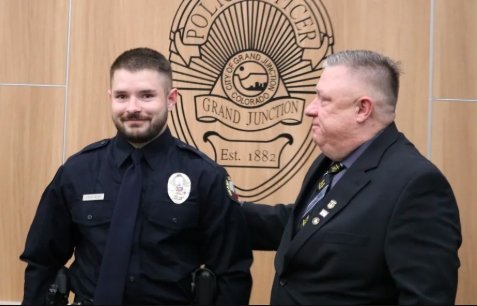
Sergeant Amanda Simon of the Mesa County Sheriff’s Office emphasized that the legal threshold for impairment in Colorado isn’t as simple as the widely publicized .08 blood alcohol content (BAC).
“We often hear about .08 being the legal limit. That’s just a specific portion of the DUI statute,” Simon explained.
In Colorado, drivers can also be charged with DWAI — Driving While Ability Impaired — with a BAC as low as .05, or even lower if impairment is evident. This means that drivers who “feel fine” may still be legally impaired.
A Drink Too Many? It’s Not Always Clear
The line between “a couple of drinks” and criminal impairment is murky — and highly individual. Factors like weight, metabolism, food intake, and even fatigue can impact how alcohol affects a person.
“If you feel that your judgment is impaired, or you’re not making the best decisions, it’s probably best to get a ride,” Simon advised. She recommends planning ahead with a friend, designated driver, or a rideshare service like Uber or Lyft.
DUI Arrests and Penalties: A Financial and Legal Wake-Up Call
The costs of driving drunk in Mesa County are staggering — and not just in moral terms.
According to local officials:
-
First-time DUI offenses can carry fines of up to $13,000.
-
Offenders may face jail time, community service, and mandatory alcohol education.
-
Many are also required to install alcohol interlock devices in their vehicles.
And that’s just the legal side. The personal toll — on families, victims, and entire communities — is harder to quantify.
“It just impacts an entire community,” Ozanic said. “It’s not just your friends and your immediate family. If you take a life, it’s very widespread.”
Simon was even more direct. “It really is a selfish thing. It’s a conscious choice to get behind the wheel and drive a car after you’ve been consuming alcohol or drugs.”
Mesa County’s Sobering DUI Record
In 2024 alone, Mesa County law enforcement made 433 DUI arrests — a figure that excludes those made by the Colorado State Patrol, which operates independently. The real number, officials say, is significantly higher.
This year’s surge operation will zero in on high-traffic zones where impaired driving is more likely to occur. But the message from officers is clear: the crackdown isn’t about ticket quotas. It’s about saving lives.
“This is one of those weekends where the decisions people make — good or bad — will ripple through this community,” said one CSP officer involved in the upcoming operation. “We’re not here to ruin your holiday. We’re here to make sure it doesn’t end in tragedy.”