
News
Trilobite ‘Pompeii’: Exceptionally Preserved Fossils Unearthed from 500 Million Years Ago

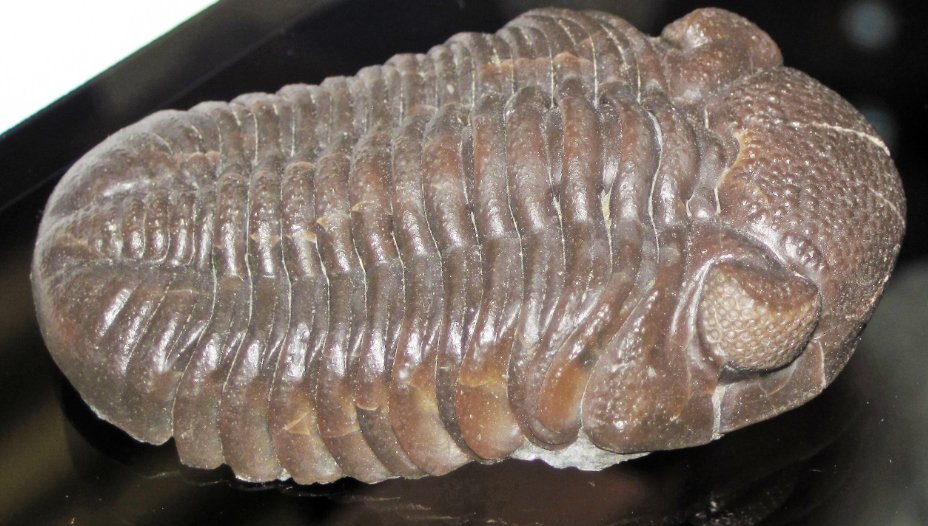
In a remarkable discovery reminiscent of the ancient city of Pompeii, scientists have unearthed some of the best-preserved trilobite fossils ever found. These ancient arthropods, dating back over 500 million years, were caught in a pyroclastic flow of volcanic ash that smothered the shallow sea they inhabited, encasing them in ash for half a billion years. Here are the fascinating details:
The Pompeii Connection
- Exceptional Preservation: The fossils represent two species of trilobites that were rapidly buried by volcanic ash as they walked or rested on the sea floor. The resulting three-dimensional molds show details as small as the filaments on the trilobites’ legs and tiny commensal animals attached to their backs.
- Natural Molds: The trilobites formed natural molds within the ash, which eventually turned to stone. This process mirrors how the eruption of Mount Vesuvius buried the inhabitants of Pompeii and Herculaneum in 79 AD.
A Palaeontologist’s Perspective
Dr. Greg Edgecombe, a trilobite specialist at the Natural History Museum, expressed his awe at these incredible specimens: “I’ve been studying trilobites for nearly 40 years, but I never felt like I was looking at live animals as much as I have with these ones. It’s pretty mind-blowing. Everybody who’s seen these images is just gobsmacked.”
The paper describing these exceptional fossils has been published in Science.













Sony and Warner Sue Anthropic Over Torrented Song Lyrics

Microsoft 365 Auth Fault Took Down Exchange and Teams

Honor’s Robot Phone Works, Then Prices Itself Out

Florida Cities Top Retirement Rankings the Scores Cannot Explain

Walmart’s $50 Million Opioid Settlement Closes Case Without Admission

California Sues Over $120 Million Morro Bay Wind Lease Buyout

Gilead Bixlenvo FDA Nod Opens Single Pill Path for Complex HIV Cases

Meta’s $18B Kids Deal Forever Shields Data Used to Spot Under-13s

Lettuce Outbreak Drove Record Cyclospora Spike Across 20 States

Amazon Shaves $20 Off M6 Mac Mini Before It Even Ships

Take-Two CEO Pushes Netflix Subs for GTA 6 Extended Look

Quake Gets 19 Free Maps From MachineGames Quake Club

Destiny 2 Fans Unlock Vaulted Maps After Live Service Ends

Wildlands Free Update Hands Players the Tools They Already Invented

Quordle Monday Delivers Gavel Crush Speed Ethos Cleanly

Stripe Bid Shows PayPal Moat Cracked After Years of Slide

Tyson’s Five-Year Utah Plant Falls to Cattle Shortage Reckoning

Silver Lake Workday Talks Signal Private Floor for Software

Kennedy Lewis Takes Majority Control of The Greenbrier in $500M Deal

Best Buy Marks 60 Years With Sale That Echoes Its Audio Shop Roots
-

 TECHNOLOGY3 years ago
How to Adjust a Bulova Watch Band – An Easy Guide
-

 News3 years ago
Fred Pentland: Athletic Bilbao’s English mentor who changed the essence of Spanish football
-

 FINANCE3 years ago
Tax Planning for Every Season: Guide to Maximizing Your Tax Benefits
-

 Education3 years ago
African Ministers New Education Plan
-

 BUSINESS3 years ago
What is Entrepreneurial Operating System? A Comprehensive Guide to EOS
-

 Education3 years ago
Innovate Your Learning Journey with Technology and Enhance Education
-

 News3 years ago
Russians formally out of World Athletics Championships
-

 BUSINESS3 years ago
Top 9 Most Expensive American Cities to Rent an Apartment