
News
Severe Colorado Drought Chokes Rivers And State Water Supply

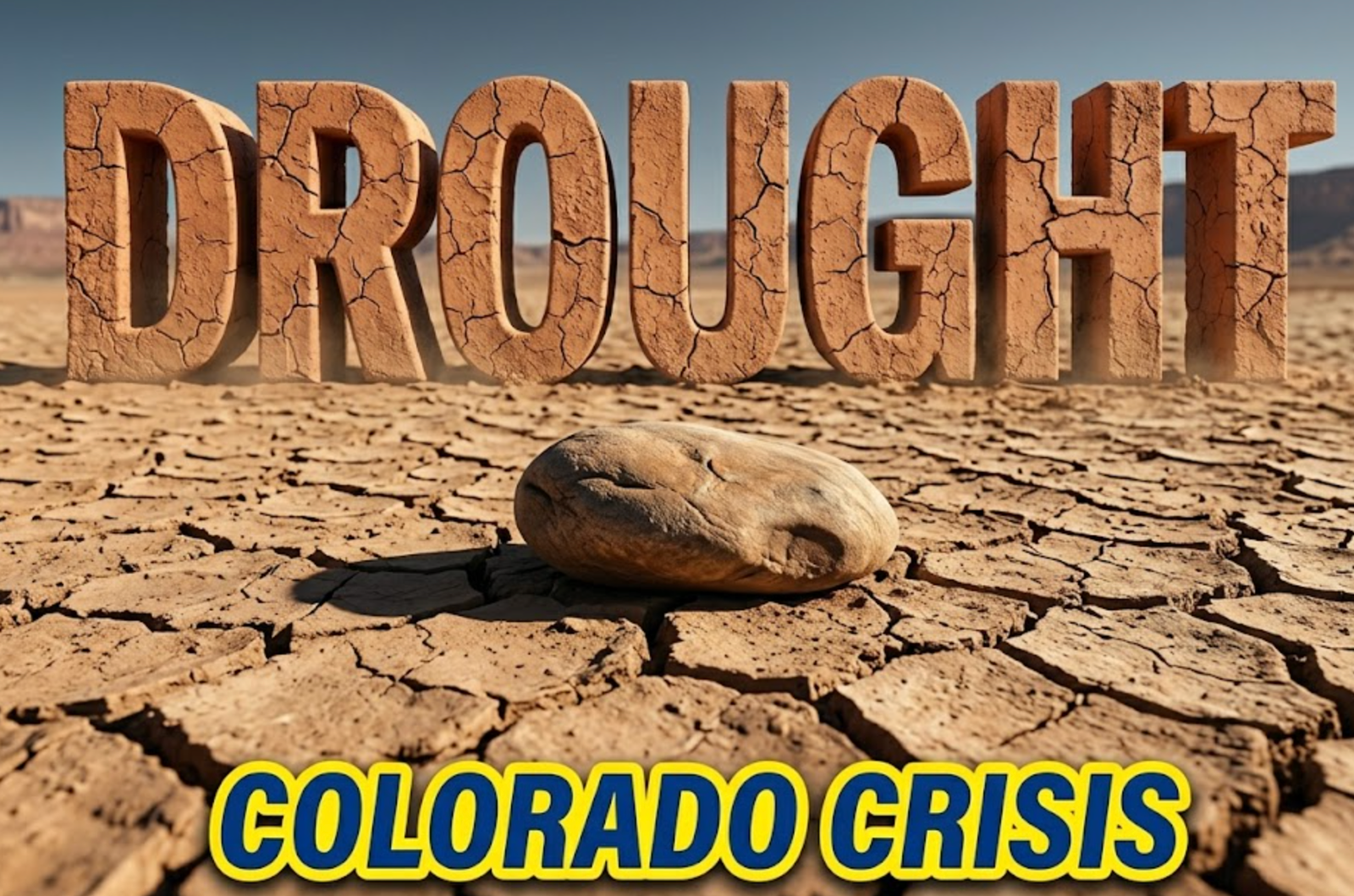
Western Colorado is facing a brutal reality as severe drought conditions choke vital rivers and drain local water supplies. With mountain snowpack levels hitting historic lows, local communities are rushing to protect their drinking water and irrigation systems. The rapid melting of mountain snow is setting the stage for a dangerous summer. This crisis threatens local mountain economies and millions of people living downstream.
The Shocking Drop In Mountain Snowpack
State weather officials are sounding the alarm over vanishing snow in the high country. The current snowpack is the lowest recorded in the modern Snow Telemetry network era. This automated system uses remote stations to track mountain weather and snow water equivalents across the region.
Peter Goble serves as the Assistant State Climatologist at Colorado State University. He warns that the severe lack of snow is a major crisis for the western slope. Without a deep snowpack, local rivers lose their primary source of steady water during the intensely hot summer months.
Snow acts as a natural frozen reservoir for the entire western landscape. It slowly releases water into streams as temperatures naturally rise over several months. A missing snowpack means that natural reservoir is virtually empty before the hottest season even begins.
Climatologists rely heavily on the continuous data gathered from these remote mountain stations. The latest numbers paint a incredibly grim picture for the long months ahead. Scientists are currently observing dry dirt in alpine areas that should still be buried under feet of thick snow.
Why The Roaring Fork Watershed Matters
Local watersheds play a massive role in the daily survival of the entire American West. The Roaring Fork watershed serves as a perfect example of this essential environmental connection. Christina Medved works as the Director of Community Outreach at the Roaring Fork Conservancy.
She quickly points out a staggering fact about how much water this small mountain area actually produces. Medved explained that the Roaring Fork only makes up about half a percent of the total Colorado River watershed landmass. However, she noted that it impressively contributes about ten percent of the total flow to the mighty Colorado River.
Call Out Box: Vital Water Connection
The fresh water flowing heavily from Colorado mountains eventually travels hundreds of miles. This specific water is needed to replenish massive regional reservoirs like Lake Powell and Lake Mead.
Millions of people heavily depend on this specific watershed functioning perfectly every single year. When the Roaring Fork runs low, the negative impacts are felt all the way down to the Mexican border.
Here is a quick breakdown of the massive Colorado River Basin impact:
- Serves forty million people across seven different states.
- Provides essential drinking water to two separate countries.
- Sustains massive agricultural operations and rural farming communities.
- Powers crucial hydroelectric dams that supply electricity to major cities.
Drinking Water And Farm Irrigation At Risk
Unusually warm and dry spring conditions are forcing the remaining snow to melt far too quickly. This terrifying early runoff is sparking intense fear among isolated rural towns. Many of these smaller mountain communities rely entirely on a single water source for their daily municipal needs.
Town officials worry these vulnerable drinking water sources might dry up completely before the summer ends. “There are smaller communities that have a single source of drinking water supply that are concerned,” Medved shared during a recent public update. If the snow melts out completely in early spring, there is nothing left to feed the municipal treatment plants later.
Farmers and local ranchers are also facing incredibly tough choices regarding their seasonal crops. Agriculture requires massive amounts of steady water to keep regional food supply chains moving smoothly. The severe lack of river flow could force farmers to leave profitable fields completely dry and barren this year.
City councils are already drafting strict emergency plans to dramatically reduce public water usage. People are hearing direct warnings that towns will soon stop watering public parks and large recreational fields. Maintaining green grass lawns is rapidly becoming a luxury that these struggling communities simply cannot afford.
| Water Threat Area | Primary Concern | Potential Action Plan |
|---|---|---|
| Small Town Supply | Rapidly depleting local reservoirs | Strict indoor water usage limits |
| Farm Agriculture | Not enough water for cash crops | Reducing crop yields and dry fields |
| Public City Parks | Keeping grass fields perfectly green | Banning all outdoor sprinkler usage |
High Temperatures Fuel Wildfire Dangers
A shockingly fast snowmelt creates a terrifying ripple effect across the entire mountain landscape. When the mountain dirt completely dries out by early June, the risk of massive wildfires skyrockets. June is typically one of the driest and windiest months for the western slope communities.
Dry vegetation acts like absolute explosive fuel for potential mountain forest fires. Goble noted that an early melt is heavily associated with significantly higher than normal fire danger. Local fire departments are already preparing their emergency crews for a very busy and dangerous season ahead.
Past wildfires have shown how quickly a single spark can devastate a dry mountain community. When the soil lacks moisture, pine trees become incredibly brittle and highly susceptible to catching fire. Entire national forests can burn down in a matter of days under these specific severe drought conditions.
Local wildlife is also feeling the immense pressure from these rapidly changing climate conditions. Bears, deer, and mountain lions are wandering further down into populated human neighborhoods searching desperately for drinking water. This unusual animal movement creates a completely different safety hazard for families living near the forest edge.
There is a small glimmer of hope on the weather horizon for local residents. Meteorologists predict a slight increase in mountain moisture arriving in the coming weeks. While this minor storm system will not end the massive drought, every single drop helps delay the impending fire risks.
The magnificent rivers of Western Colorado are the lifeblood of the entire region. Watching these powerful waterways slowly run dry is a heartbreaking reality for those who call this beautiful state home. Families, local farmers, and native wildlife all depend heavily on this precious natural resource to simply survive. We must come together immediately to actively conserve water and protect our fragile mountain environment before the damage becomes permanent. Let us know exactly how the current drought is impacting your local town by sharing your story on social media using the trending hashtag #ColoradoDrought.










Iowa Farmer Built Resilience for 16 Years Then Tariffs Hit Hard

HHS Adds FDA Tech and Drugs Deputies to Lock In AI and Review Power

Nvidia Earnings Carry a Built-In Sell-the-News Trap

HP Licenses Huawei Wi-Fi Patents Despite the Entity List

Poland Named in $131B F-15 Deal Echoes Apache Path

Sewer Scavengers Near Penn Station Repeat a Decades-Old NYC Pattern

Second Muni Fatigue Crash Exposes Surface Line Gaps

Chick-fil-A Chicken and Waffles Closes Its 80-Year Loop

Musk Data Centers Leave a Mississippi Family’s Historic Land Empty

OpenAI Data Center Chief Exits as Stargate Strategy Shifts

Double Fine Cuts 23 Jobs Weeks After Xbox Independence

Day-One Big Walk Lifts PS Plus August Beyond Recycled AAA

Curtis Mead’s Red Sox Debut Ends With Fractured Wrist

John Hight Exits Wizards After Digital Reckoning Hits

Red Sox Squander Hot Streak Chance in 4-3 Loss to Athletics

Moesch and Dressel Rewrite Night One at 2026 U.S. Nationals

Boutte’s Quiet Camp Takeover Forces Patriots Receiver Choices

Take-Two CEO Pushes Netflix Subs for GTA 6 Extended Look

Halo Campaign Evolved Skulls Meet Death Barriers That Kill the Hunt

Wildlands Free Update Hands Players the Tools They Already Invented
-

 TECHNOLOGY3 years ago
How to Adjust a Bulova Watch Band – An Easy Guide
-

 News3 years ago
Fred Pentland: Athletic Bilbao’s English mentor who changed the essence of Spanish football
-

 FINANCE3 years ago
Tax Planning for Every Season: Guide to Maximizing Your Tax Benefits
-

 Education3 years ago
African Ministers New Education Plan
-

 BUSINESS3 years ago
What is Entrepreneurial Operating System? A Comprehensive Guide to EOS
-

 Education3 years ago
Innovate Your Learning Journey with Technology and Enhance Education
-

 News3 years ago
Russians formally out of World Athletics Championships
-

 BUSINESS3 years ago
Top 9 Most Expensive American Cities to Rent an Apartment