
News
Colorado Warns Swimmers and Boaters: Wear a Life Jacket or Risk Your Life

As temperatures climb across Colorado this spring, the state’s parks agency is sounding the alarm. Colorado Parks and Wildlife is urging everyone heading to lakes and reservoirs to wear a life jacket, not just carry one on the boat. The warning comes as cold water lurking beneath sunny skies continues to catch people off guard year after year.
Cold Water Shock Is the Hidden Killer in Colorado Lakes
While air temperatures across the state are already hitting the 70s and 80s, the water tells a very different story. Lakes and reservoirs like the Pueblo Reservoir remain dangerously cold, often sitting below 60 degrees Fahrenheit well into late spring.
That gap between warm air and cold water is exactly what makes this time of year so deadly.
CPW spokesperson Joey Livingston explained the science in simple terms. “Even if you think you can swim, if you think you’ve fallen, you’ll be okay,” Livingston said. “Those water temperatures are so low that your body can go into shock. And to conserve heat, it’ll pull heat to your core, and you’ll lose the ability to use your arms and legs.”
Cold water immersion triggers a chain reaction in the body that happens fast. Within seconds, a person can experience involuntary gasping and hyperventilation. Within minutes, muscle control fades. Even Olympic-level swimmers would struggle under those conditions.
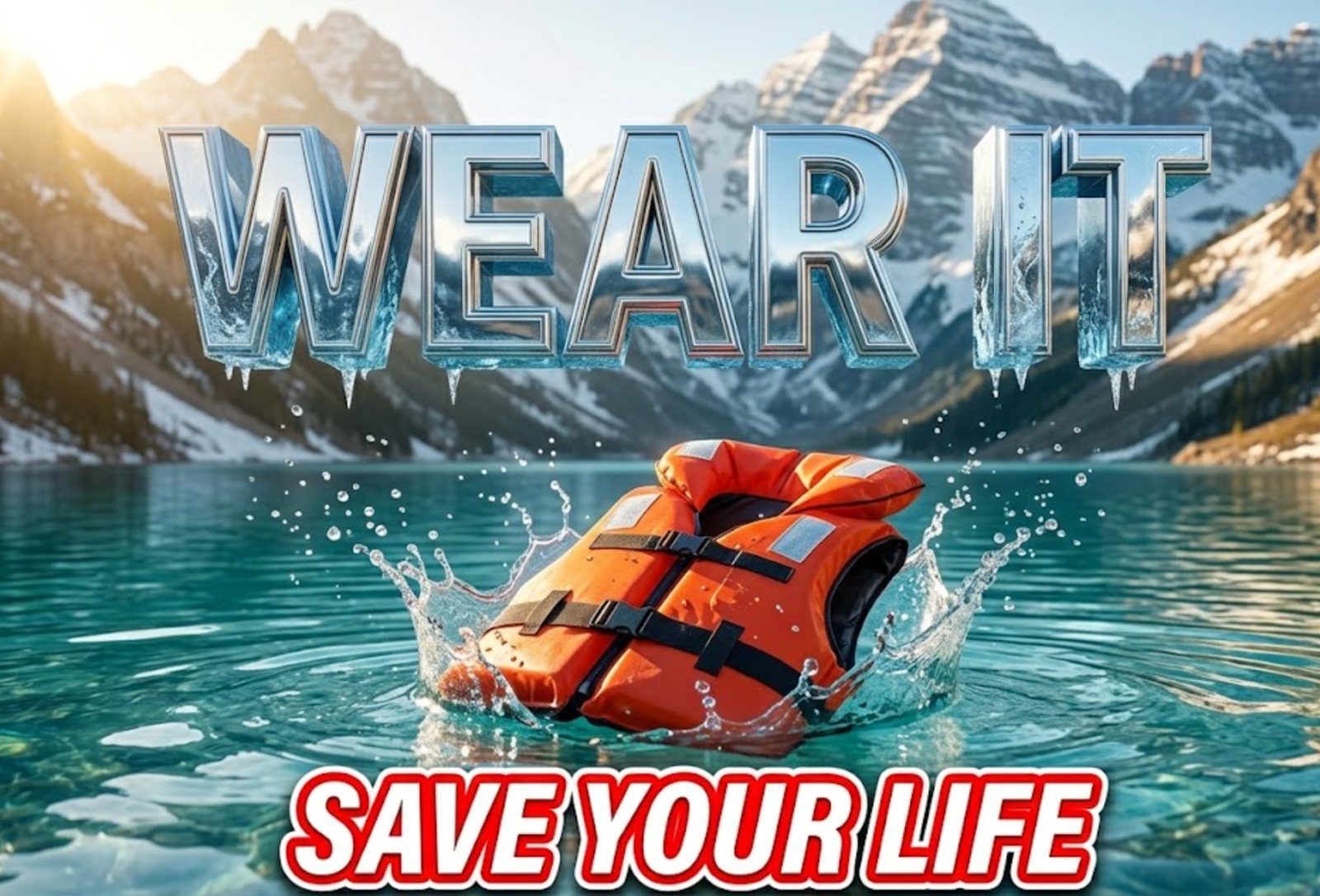
Most Drowning Victims Were Not Wearing Life Jackets
The numbers paint a grim and consistent picture. According to the most recent U.S. Coast Guard recreational boating statistics, drowning remains the leading cause of death in boating accidents nationwide. Roughly 85 percent of drowning victims in those incidents were not wearing a life jacket.
Colorado’s own data mirrors that trend. CPW has reported that a majority of all water-related deaths in the state involve people who had no life jacket on their body at the time of the incident.
“If you have that life jacket on, it keeps you afloat for longer, can give the people out there with you a quicker, more opportunity to pull you in, or give our folks more time to be able to get you out of the water.” — Joey Livingston, CPW spokesperson
The message is straightforward. A life jacket buys you time. Time for your body to recover from shock. Time for someone nearby to reach you. Time for rescue crews to arrive.
What Colorado Law Actually Requires on the Water
There is a common misconception that simply having life jackets stored on a boat is enough. Colorado law does require at least one U.S. Coast Guard-approved life jacket on board for every person. But park officials are pushing people to go beyond the minimum.
Here is a quick breakdown of Colorado’s boating safety rules:
| Requirement | Details |
|---|---|
| Life jackets on board | One per person, U.S. Coast Guard-approved |
| Children under 13 | Must wear a life jacket at all times on a vessel |
| Recommended practice | All passengers should wear life jackets, not just carry them |
| Boat inspection | Required at designated checkpoints before launching |
CPW officials strongly recommend that every person on the water wear their life jacket at all times, regardless of age or swimming ability. Keeping a life jacket tucked under a seat does nothing when someone falls overboard without warning.
Modern Life Jackets Are Lighter Than You Think
One of the biggest reasons adults skip wearing a life jacket is comfort. The bulky, orange foam vests from decades past left a bad impression that still lingers today.
But the gear has changed dramatically. Modern life jackets come in slim, low-profile designs that allow full range of motion. Inflatable models are especially popular among kayakers, paddleboarders, and recreational boaters. They sit flat against the body like a lightweight vest and only inflate when needed.
Prices range from about $25 for a basic foam jacket to around $150 for a high-end inflatable model. For the cost of a nice dinner out, a life jacket can save your life or the life of someone you love.
CPW manages more than 40 state parks with water recreation, and rangers at every location can help visitors choose the right type and fit.
Spring and Early Summer Are the Most Dangerous Months
Historically, May and June are the deadliest months on Colorado’s waterways. That is when the rush to enjoy warm weather collides with water that is still brutally cold from snowmelt and winter runoff.
People underestimate the danger because the weather feels safe. A sunny 80-degree day creates a false sense of security. But jumping or falling into 50-degree water is a shock the human body is not prepared for.
CPW urges families, anglers, paddlers, and boaters to follow these key safety steps before heading out:
- Always wear your life jacket, do not just store it on the boat
- Check water temperatures before entering any lake or reservoir
- Tell someone your plans, including where you are going and when you expect to return
- Avoid alcohol on the water, as it impairs judgment and reaction time
- Take a boating safety course, which CPW offers online and in person
The National Safe Boating Council runs its annual “Wear It!” campaign each May during National Safe Boating Week, and CPW partners with the effort to spread awareness statewide.
As Colorado’s outdoor season picks up speed, the stakes are real. Every year, families lose loved ones to preventable drowning incidents on the state’s beautiful but unforgiving waterways. A life jacket is the simplest piece of gear you can own, and it remains the single most effective way to survive an unexpected fall into cold water. If you are heading to a Colorado lake or reservoir this spring, wear it. Not for the rules. For the people waiting for you to come home. Share your thoughts in the comments below and remind someone you care about to stay safe on the water this season.











NFL Three-Strike Safety Fouls Now Pull Coaches and Clubs In

Browns Fans Tape Protest Signs to Jim Brown Statue Over Watson

Amazon Pixel 11 Deal Erases the $100 Hike for One More Day

Elden Ring on Switch 2 Turns Its Own Worst Label Into a Portable Win

Ternus Takes the Stage With Apple’s Foldable Debut

Ikea Xbox Yxstaby Turns Controller Thumbstick Into Home Furniture

Pokémon Center Turns Past Worlds Wins Into Bundles and a Pikachu Coin

NFL Scraps Pro Bowl Game to Restore Pure Player Honor

New Twitter.now Bets the Brand Musk Left Behind

Bella Mir’s Famous First Loss Meets the Accountant Who Won

Double Fine Cuts 23 Jobs Weeks After Xbox Independence

Day-One Big Walk Lifts PS Plus August Beyond Recycled AAA

John Hight Exits Wizards After Digital Reckoning Hits

Curtis Mead’s Red Sox Debut Ends With Fractured Wrist

Moesch and Dressel Rewrite Night One at 2026 U.S. Nationals

Red Sox Squander Hot Streak Chance in 4-3 Loss to Athletics

Boutte’s Quiet Camp Takeover Forces Patriots Receiver Choices

Take-Two CEO Pushes Netflix Subs for GTA 6 Extended Look

Halo Campaign Evolved Skulls Meet Death Barriers That Kill the Hunt

Wildlands Free Update Hands Players the Tools They Already Invented
-

 TECHNOLOGY3 years ago
How to Adjust a Bulova Watch Band – An Easy Guide
-

 News3 years ago
Fred Pentland: Athletic Bilbao’s English mentor who changed the essence of Spanish football
-

 FINANCE3 years ago
Tax Planning for Every Season: Guide to Maximizing Your Tax Benefits
-

 Education3 years ago
African Ministers New Education Plan
-

 BUSINESS3 years ago
What is Entrepreneurial Operating System? A Comprehensive Guide to EOS
-

 Education3 years ago
Innovate Your Learning Journey with Technology and Enhance Education
-

 News3 years ago
Russians formally out of World Athletics Championships
-

 BUSINESS3 years ago
Top 9 Most Expensive American Cities to Rent an Apartment