
News
Experts Urge Americans to Check Credit Reports Now

In a fresh push amid rising identity theft cases, financial experts and consumer advocates are calling on Americans to review their credit reports regularly, with recent data showing millions affected each year. This advice comes as a new report highlights that checking reports weekly can catch fraud early, potentially saving individuals from financial ruin, according to sources like the Federal Trade Commission and credit bureaus.
The Growing Risk of Identity Theft in 2025
Identity theft remains a top concern for Americans this year, with over 1.1 million cases reported in 2024 alone, a number expected to climb based on early 2025 trends. Criminals steal personal details to open fake accounts, rack up debt, or even commit tax fraud, often leaving victims with damaged credit and lengthy recovery processes.
Many people only discover the issue when denied a loan or job due to suspicious activity on their records. Recent incidents, such as large data breaches at major retailers, have exposed sensitive information for thousands, making proactive checks more crucial than ever.
Experts point out that young adults, including those just turning 18, are prime targets because they often have clean credit histories that thieves exploit. Regular monitoring helps spot unauthorized accounts or inquiries before they spiral into bigger problems.
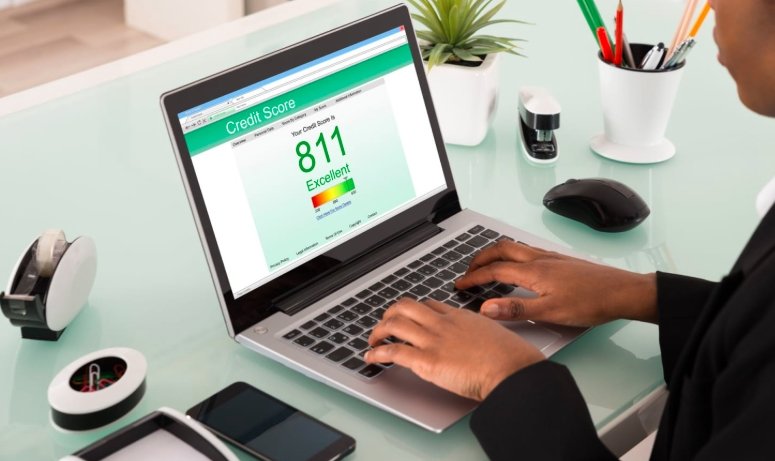
Why Checking Your Credit Score Matters
Your credit score influences everything from loan approvals to rental applications and even some job offers. A high score can lead to lower interest rates on mortgages or car loans, saving thousands over time, while errors or fraud can drop it sharply.
Financial educators stress that understanding your score empowers better decisions. For instance, payment history makes up about 35 percent of most scores, so spotting late payments reported in error allows quick fixes.
Gen Z feels particular anxiety about this, with surveys showing over half get nervous just viewing their score. Yet, experts say facing it head on builds control and prevents surprises.
Beyond finances, a clean report protects against broader issues like medical identity theft, where fraudsters use your info for services that taint your health records.
How to Get Your Free Credit Reports Easily
Americans can access free credit reports from the three major bureaus Equifax, Experian, and TransUnion through official channels. Federal rules now allow weekly online pulls, up from once a year, giving more chances to stay vigilant.
Start by visiting the government authorized site, where you request reports without impacting your score. Many banks and credit card apps also provide free score updates, often monthly.
If you prefer mail or phone, options exist, but online is fastest. Remember, pulling your own report never hurts your score, unlike when lenders check it.
For those new to this, begin at age 18 to establish a baseline and ensure no childhood fraud lingers undetected.
Key Things to Review in Your Credit Report
Once you have your report, scan for accuracy across several areas. Look at personal details like addresses and employers to confirm nothing is out of place.
Check account histories for unfamiliar loans or cards, which could signal theft. Also, review inquiries, as too many hard pulls might indicate someone applying in your name.
| Credit Score Components | Percentage Weight | Why It Matters |
|---|---|---|
| Payment History | 35% | Shows if you pay on time; late payments hurt most. |
| Credit Utilization | 30% | Measures debt versus limits; keep under 30% for best results. |
| Length of Credit History | 15% | Longer histories boost scores; avoid closing old accounts. |
| New Credit | 10% | Too many new accounts can lower your score temporarily. |
| Credit Mix | 10% | Variety of credit types helps, like cards and loans. |
This breakdown, common in models like FICO, guides what to prioritize. Errors here can skew your overall financial picture.
Disputes for inaccuracies are free and must be filed with the bureau that issued the report. Provide proof, and they investigate within 30 days.
Steps to Protect and Improve Your Credit
Beyond checking, freeze your credit to block new accounts without your approval, a free service at each bureau. This step thwarts thieves who have your info.
Build habits like paying bills on time and keeping balances low. If fraud hits, report it to authorities and place alerts on your files.
- Set calendar reminders to review reports quarterly.
- Use secure passwords and enable two factor authentication on financial apps.
- Shred sensitive documents and monitor mail for unexpected statements.
- Educate family members, especially teens, on safe online practices.
These actions reduce risks and strengthen your financial standing over time.
Experts recommend combining report checks with score monitoring for a full view. With tools more accessible in 2025, there’s no excuse to skip this vital step.
As identity threats evolve, staying informed protects your future. Share this article with friends who might need a reminder, and comment below on your own credit checking experiences to help others learn.













Spotify Running Mode hits Android and revives its old tempo experiment

Galaxy Tab S12 Ultra Renders Keep the Notch Fans Hate

Novato Spinning Round House Sells With Six Neighbors for $3.3 Million

Crop Tour Finds Indiana and Nebraska Corn Yields Lagging 2025

Best Buy 60th sale brings Android deals back to its roots

American Airlines reverses seatback screen bet years too late

Iran Hormuz Strikes Force Gulf Oil Onto Costlier Paths

Plague Tale Prequel Day One Joins Game Pass Wave 2 as Witcher Exits

NBA 2K27 opens The City to everyone and rewrites career eras

iOS 26.6.1 Patches 29 Flaws as AI Forces Faster Apple Updates

Double Fine Cuts 23 Jobs Weeks After Xbox Independence

Day-One Big Walk Lifts PS Plus August Beyond Recycled AAA

John Hight Exits Wizards After Digital Reckoning Hits

Curtis Mead’s Red Sox Debut Ends With Fractured Wrist

Moesch and Dressel Rewrite Night One at 2026 U.S. Nationals

Red Sox Squander Hot Streak Chance in 4-3 Loss to Athletics

Boutte’s Quiet Camp Takeover Forces Patriots Receiver Choices

Take-Two CEO Pushes Netflix Subs for GTA 6 Extended Look

Halo Campaign Evolved Skulls Meet Death Barriers That Kill the Hunt

Wildlands Free Update Hands Players the Tools They Already Invented
-

 TECHNOLOGY3 years ago
How to Adjust a Bulova Watch Band – An Easy Guide
-

 News3 years ago
Fred Pentland: Athletic Bilbao’s English mentor who changed the essence of Spanish football
-

 FINANCE3 years ago
Tax Planning for Every Season: Guide to Maximizing Your Tax Benefits
-

 Education3 years ago
African Ministers New Education Plan
-

 BUSINESS3 years ago
What is Entrepreneurial Operating System? A Comprehensive Guide to EOS
-

 Education3 years ago
Innovate Your Learning Journey with Technology and Enhance Education
-

 News3 years ago
Russians formally out of World Athletics Championships
-

 BUSINESS3 years ago
Top 9 Most Expensive American Cities to Rent an Apartment