
News
Apple Upgrade Turns Phones Into Monthly Utility Bills
Apple’s Klarna-backed lease replaces the old upgrade program, easing cash flow while converting hardware buyers into sticky monthly ecosystem renters.

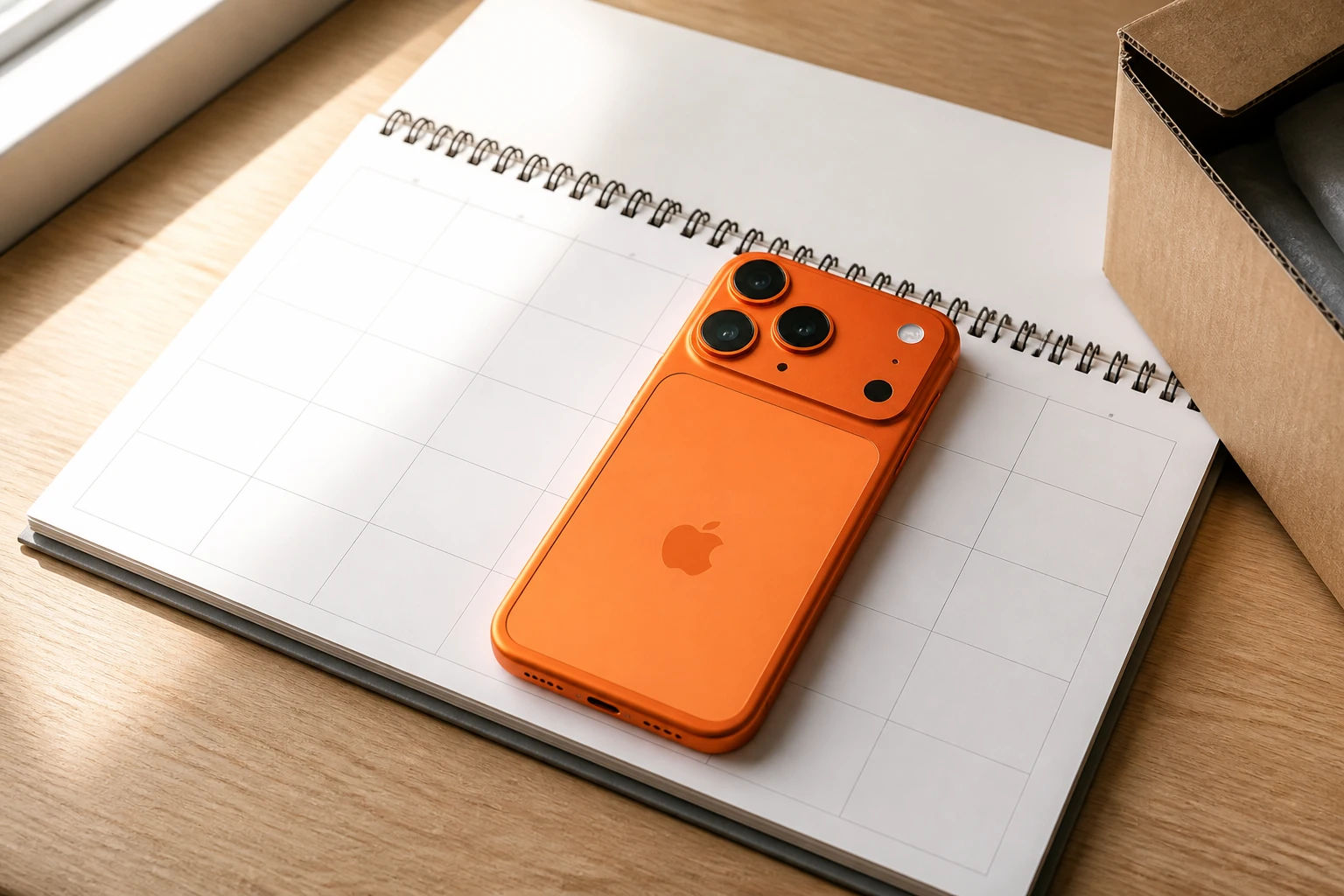
Apple launched Apple Upgrade on July 28, a Klarna-powered leasing program that lets U.S. customers put an iPhone on a monthly bill starting at $17.99. The move replaces the old iPhone Upgrade Program and extends the same model to Apple Watch, iPad, and Mac.
It frees cash that used to sit in a depreciating handset. It also turns a one-time purchase into a recurring utility that stacks with the rest of the Apple bill. The shift is simple on the surface and structural underneath: ownership risk moves off the customer’s balance sheet for the length of the term, while Apple keeps the upgrade cadence and the retail relationship.
How the New Lease Works
Apple Upgrade is a true lease, not the old Citizens Bank installment loan. Customers pick a device and a term, pass a soft credit check that does not hit their score, and get quick approval through Klarna. iPhone and Apple Watch run on 12- or 24-month terms. Mac and iPad run on 24- or 36-month terms.
The path from browse to active lease follows a short sequence drawn straight from the program rules:
- Device and term chosen on the Apple shop pages
- Soft credit check run through Klarna with no score impact
- Approval and lease setup completed inside the Klarna app
- Carrier activation required only for iPhone leases at checkout
- Delivery and use with no security deposit held
At the end of the term the choices are clean:
- Return the device in good condition and walk away
- Pay the residual buyout and keep it
- Upgrade into a fresh lease on a newer model
Per Apple’s July 28 newsroom announcement, Karen Rasmussen, vice president of the Apple Store online, framed it as a more flexible way to pay for the products people already want. Lease details live in the Klarna app. No security deposit is required.
Because the product is a lease rather than a loan, monthly payments never build equity on their own. Equity appears only if the customer later writes the residual check. That single design choice is what separates the new program from the Citizens Bank installment model it replaces.
What the Monthly Numbers Look Like
Sample pricing (before tax and trade-in) comes straight from Apple and early coverage of the shop pages. An iPhone 17 Pro 256GB that lists at $1,099 leases for $31.99 a month on 24 months or $45.99 on 12 months. Entry models sit lower.
| Device | Retail | 24-mo lease | 12-mo / other |
|---|---|---|---|
| iPhone 17e | – | $17.99 | – |
| iPhone 17 | – | $22.99 | – |
| iPhone Air | – | $28.99 | – |
| iPhone 17 Pro 256GB | $1,099 | $31.99 | $45.99 (12 mo) |
| Apple Watch Series 11 42mm | $399 | $11.99 | $21.99 (12 mo) |
| iPad Pro 256GB | $1,199 | $31.99 | $24.99 (36 mo) |
| 14-inch MacBook Pro 16GB | $1,999 | $53.99 | $38.99 (36 mo) |
Full current Apple Upgrade lease pricing appears on the shop page and updates with configurations. Paying Apple Card earns 3 percent Daily Cash on the lease payments. Klarna charges no financing fee, so a buyout at term end simply covers the unpaid remainder of retail.
Shorter terms raise the monthly bill and lower the residual left at the end. Longer terms do the reverse. The table already shows that spread on the iPhone 17 Pro, the Watch, the iPad Pro, and the 14-inch MacBook Pro. Customers who know they will upgrade at twelve months pay more per month and leave less unpaid principal. Customers who stretch to thirty-six months on Mac or iPad pay less each cycle and face a larger buyout if they decide to keep the machine.
Trade-Ins Cut the Bill From Day One
The first lease is where most of the savings appear. Eligible owned devices feed into Apple Trade In credit applied monthly across the initial term instead of a lump sum. That structure drops the headline monthly number hard for anyone sitting on a recent iPhone or Watch.
Liquidity is the real pitch. Keep the $1,100 in a high-yield account or the market for two years and the opportunity cost of buying outright shrinks. Android Authority’s own math on a $1,099 iPhone 17 Pro showed that buying, using for two years, and reselling could still leave the owner roughly $200 ahead of a pure 24-month lease once residual value is counted. The lease wins on convenience and on never having to list, ship, or haggle.
Monthly trade-in credit also changes the psychology of the first bill. Instead of a single large credit that disappears into the purchase price, the reduction shows up every month beside the lease line. That recurring reminder keeps the effective rate visible and makes the lease feel cheaper even when total cash out the door is similar.
The Carrier Hook and What Stays Unlocked
iPhone leases require activation on a postpaid plan from AT&T, Verizon, or T-Mobile at checkout. Prepaid and most MVNOs are out. Once the device is in hand it is unlocked. Secondary eSIMs, later carrier switches, and international travel work without the usual unlock wait.
Mac, iPad, and Watch leases skip the carrier step entirely. That split frustrates people who refuse the big three, yet it keeps the phone side of the program compatible with carrier subsidies and number porting.
The unlock rule matters after day one. A customer who starts on Verizon can later add a travel eSIM or move the line without waiting out a carrier lock timer. The lease contract and the radio lock are separate. Only the contract binds the payment stream; the handset itself is free to take any supported plan once activation is complete.
Where the Fine Print Hurts
AppleCare is no longer baked into the monthly price the way it was on the old iPhone Upgrade Program. Coverage is optional. Without it, Klarna assesses damage or missing pieces at return and bills the full repair or replacement cost. With AppleCare the customer pays only the standard service fee.
Early exit costs the remaining lease payments in full. There is no fee to pay the residual early and own the device. Miss three consecutive payments and the lease ends; the customer still owes the outstanding balance minus the returned device’s value. Klarna offers a one-month deferral and a repayment plan option, but debt collection follows if payment fails.
What we know
- Soft credit check only; no hard pull
- Damage fees scale with condition and AppleCare status
- Month-to-month holdover is possible for up to six months after term, then buyout is forced
What’s still customer risk
- Full early-termination balance if life plans change
- No ownership equity until the final buyout check clears
- U.S. residents only for now; territories excluded
The six-month holdover window is a quiet pressure valve. Customers who are not ready to decide can keep paying month to month for a limited stretch. After that window closes, the buyout becomes mandatory. The design pushes a clean resolution without an open-ended rental that never ends.
Android’s Faster Depreciation Makes the Gap Wider
Galaxy and Pixel flagships still lose value faster than iPhones on the open market. Recent five-month depreciation figures for recent flagships show the iPhone 16 down about 35 percent while Galaxy S25 sat near 47 percent. Pixels often fare worse. That gap has narrowed as Samsung improved retention, yet the absolute residual on a two-year-old Android flagship remains lower.
| Device class | Approx. five-month drop |
|---|---|
| iPhone 16 | About 35 percent |
| Galaxy S25 | Near 47 percent |
| Pixel flagships | Often steeper than Galaxy |
A first-party lease would let Google or Samsung set a predictable residual themselves instead of leaving buyers exposed to the secondary market. It would also lower the psychological barrier on $1,800 foldables whose hinges and inner displays carry long-term wear questions. Premium foldable demand and supply pressure already show buyers will pay up when the hardware is compelling. A lease would convert more of those tire-kickers into temporary owners.
Neither company has announced a direct equivalent. Carrier installment plans and promotional trade-in credits still dominate. Those tools keep the strings of multi-year service contracts attached.
End of Term Choices Shape the Real Cost
The three exit paths look equal on the marketing page. In practice they produce different total costs and different levels of hassle, all from rules already published for the program.
- Return and walk away ends the obligation if the device passes condition checks. Damage without AppleCare becomes a repair or replacement bill from Klarna.
- Pay the residual converts the lease into ownership. Klarna adds no financing fee, so the check covers only the unpaid slice of original retail after any trade-in credits already applied.
- Upgrade into a new lease restarts the cycle on a newer model and returns the old unit under the same condition rules.
Early termination collapses those choices. The customer owes every remaining monthly payment, closes the lease, and only then can start a fresh one. Paying the residual ahead of schedule to own the device carries no extra fee, which makes ownership the cleaner escape hatch when plans change mid-term.
Holdover after the official term lasts up to six months on a month-to-month basis. Past that point the buyout is forced. Customers who dislike open loops get a defined window; customers who stall meet a hard stop.
The Monthly Stack That Raises Switching Costs
The second-order move is not the phone lease alone. It is the way the lease sits next to iCloud storage, Apple One, AppleCare, and Apple Card Daily Cash. Once three or four line items hit the same monthly statement, the friction of leaving Apple starts to feel like switching a utility provider.
Analyst Max Weinbach captured the upside many frequent upgraders feel: “If I upgrade every year, why not just lease it and not have to worry about selling/trading in with the cash/refund stuff.” That convenience is real. The crowd counter on X is equally plain: some users simply reject the idea of never owning the device they carry every day.
Apple has also shifted the credit and residual risk. Klarna’s role in Apple’s financing shift puts a fintech partner between Apple and the payment stream. Apple still controls the retail experience, the trade-in channel, and the upgrade cadence. The customer keeps the monthly habit.
For people who already refresh every 12 to 24 months and hate marketplace drama, the program is a clean fit. For anyone who keeps a phone four years, repairs it themselves, or values the option to walk away with equity, buying outright or using a short 0 percent card plan still wins the pure math. The lease is not cheaper. It is smoother, and smoothness is what builds habit.
Apple Keeps the Store While Klarna Carries Risk
The partnership split is deliberate. Apple owns the shop pages, the trade-in desk, the upgrade offers, and the brand relationship. Klarna runs the credit decision, the payment collection, the damage assessment at return, and the collections path if payments fail.
That division lets Apple expand leasing across iPhone, Watch, iPad, and Mac without parking the full credit book on its own balance sheet. The soft credit check, the one-month deferral, the repayment plan option, and the three-miss termination rule all live on Klarna’s side of the line. Apple’s side stays focused on device condition, residual math, and the next hardware cycle.
Customers still see one retail surface. Lease details surface in the Klarna app, yet the browsing, configuring, and trade-in steps remain inside Apple’s store. The 3 percent Daily Cash reward on Apple Card payments further ties the monthly bill back to Apple’s own card product. The fintech layer is visible only when something goes wrong or when a buyout check is due.
For frequent upgraders the arrangement removes marketplace friction. For long keepers the same arrangement never builds equity until a residual payment clears. Both outcomes follow from the same contract design: Apple sells the experience, Klarna funds the term, and the customer pays for smoothness one month at a time.
Frequently Asked Questions
What is Apple Upgrade and how is it different from the old iPhone Upgrade Program?
Apple Upgrade is a Klarna-provided lease covering iPhone, Watch, iPad, and Mac. The old program was a 24-month 0 percent installment loan through Citizens Bank that required AppleCare to be bundled. The new program is a true lease with optional AppleCare, shorter or longer terms by product line, and end-of-term return or buyout options.
Can I keep the device after the lease ends?
Yes. You pay a one-time residual equal to the unpaid portion of the original retail price (trade-in credits already applied reduce that number) and the device becomes yours with no further payments.
Does an iPhone leased through Apple Upgrade stay locked to one carrier?
No. Activation must start on AT&T, Verizon, or T-Mobile postpaid, but the handset itself is unlocked. You can add eSIMs or change carriers later without an unlock request.
Is AppleCare included in the monthly lease payment?
No. Protection is sold separately. You can add it at enrollment or within a short window afterward. Without it, return condition fees are assessed at full repair or replacement cost.
What happens if I want to upgrade before the term ends?
You pay an early termination fee equal to all remaining monthly payments, close the current lease, return the device, and start a new one. Paying the residual early to own the device carries no extra fee.


Halo Campaign Evolved Skulls Meet Death Barriers That Kill the Hunt

Spotify Running Mode Returns After the 2015 Experiment Failed

Amazon AWS Hits Fastest Growth in Years as AI Spend Pays Off

Amazon Bets Platform Beats Models in the AI Race

Apple C2 Modem Edges Into iPhone 18 Pro After Qualcomm Drop

Google Earth Adds Nano Banana 2 to Reimagine Real Places

Apple Upgrade Turns Phones Into Monthly Utility Bills

Asha Sharma Bets Xbox Growth on Console and Four C’s

MacBook Ultra Design Follows Apple’s Familiar Cascade Path

TAG Heuer Carrera x Team Ikuzawa Revives 1970s Roadmaster Stopwatch DNA

Pokémon GO Developer Niantic Rebrands as Scopely Explore

Persona 4 Revival Hands All Anime Cutscenes to Studio MAPPA

Jaylen Brown Traded to 76ers for Paul George and Four Draft Picks

Doom Studio id Software Cuts Half Its Staff in Xbox Layoffs

Nintendo Switch Online Adds Four Classics and One Japan-Only Title

Jordan Henderson Hospitalized After Wrist Injury at the Azteca

Mexico’s World Cup Run Ends at Azteca as England Hold On 3-2

Meta’s Muse Image Lets Anyone Use Your Instagram Photos in AI

Louis Vuitton Beats Molly Tea in China, Triggers Cultural Backlash

Pink Bearista Cup Returns July 13 as Starbucks Pink Vibes Drops
-

 TECHNOLOGY3 years ago
How to Adjust a Bulova Watch Band – An Easy Guide
-

 News3 years ago
Fred Pentland: Athletic Bilbao’s English mentor who changed the essence of Spanish football
-

 FINANCE3 years ago
Tax Planning for Every Season: Guide to Maximizing Your Tax Benefits
-

 Education3 years ago
African Ministers New Education Plan
-

 BUSINESS3 years ago
What is Entrepreneurial Operating System? A Comprehensive Guide to EOS
-

 Education3 years ago
Innovate Your Learning Journey with Technology and Enhance Education
-

 News3 years ago
Russians formally out of World Athletics Championships
-

 BUSINESS3 years ago
Top 9 Most Expensive American Cities to Rent an Apartment