
News
Apple C2 Modem Edges Into iPhone 18 Pro After Qualcomm Drop
Qualcomm CEO says Apple components in the next iPhone will drop well below 20%, boosting odds the iPhone 18 Pro ships with Apple’s C2 modem and exclusive features.

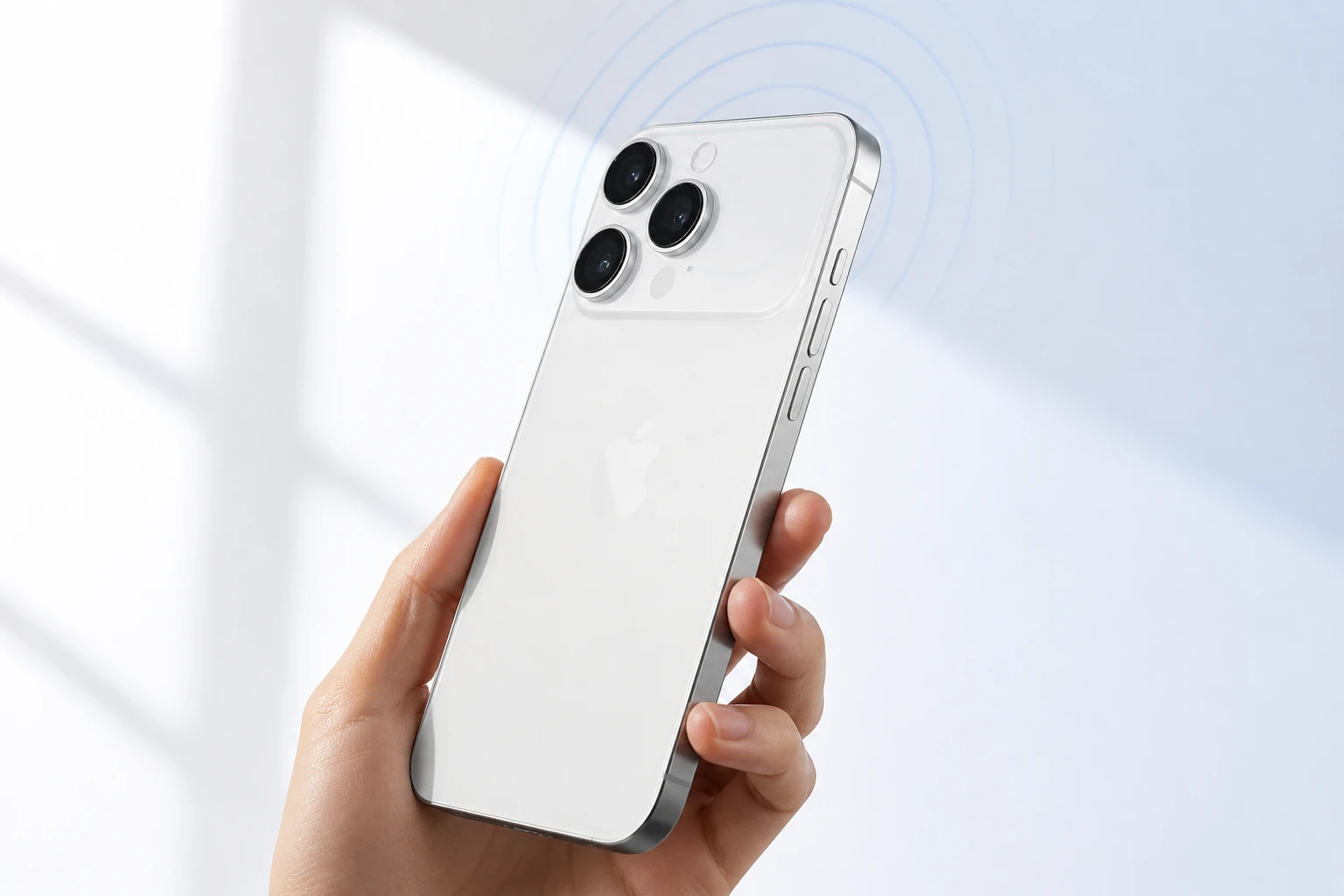
Qualcomm now expects its share of components in the next iPhone to fall well below the earlier 20% estimate, CEO Cristiano Amon told Reuters after third-quarter results. The sharper drop, starting in the fourth quarter, lifts the odds that the iPhone 18 Pro will ship with Apple’s own C2 modem rather than a Qualcomm part, even in the United States.
That shift is more than a supplier swap. It extends exclusive software controls and efficiency gains already live on lower-tier models, while Qualcomm races to replace the lost handset dollars with data-center chips.
What Amon Told Investors After the Call
Qualcomm’s fiscal third-quarter revenue came in at $9.95 billion, down 4%. Handset chip revenue fell 20% to $5.09 billion. Adjusted profit hit $2.21 per share. Guidance for the fourth quarter sat below Wall Street on profit.
Amon pinned the Apple shortfall on supply constraints. “It’s availability of supply,” he said. That will cut Qualcomm’s piece of the next iPhone launch “well below its earlier estimate of 20%.” The company expects the Apple revenue decline to accelerate from the fourth quarter.
Some tallies circulating after the call put the sequential Apple-related drop near 50% between the September and December quarters. Qualcomm also plans price increases from September 1 to pass through higher supply-chain costs.
- Prior share target: 20% of components in the next iPhone
- New outlook: well below that 20% figure
- Handset Q3: $5.09 billion, down 20% year over year
- Data-center goal: $5 billion revenue by fiscal 2027, $15 billion by 2029
On the conference call and in the interview, management stressed the pivot. “We kind of replaced Apple with the data center,” Amon said. Non-handset growth is expected to replace all Apple-related revenue from fiscal 2026 by fiscal 2027. Full materials sit on the Qualcomm investor relations earnings materials.
| Metric | Figure | Context |
|---|---|---|
| Q3 total revenue | $9.95B | Down 4%, beat estimates |
| Handset revenue | $5.09B | Down 20% YoY |
| Apple share next iPhone | Well below 20% | Prior estimate was 20% |
| Q4 adj. EPS guide | $2.05-$2.25 | Below ~$2.36 consensus |
Shares slipped more than 4% after hours. Apple stock stayed flat.
Why the C2 Timing Suddenly Looks Firm
Apple already ships its C1 and C1X modems on several models. The Pro lineup still relied on Qualcomm. Rumors have long pointed to a C2 debut on the iPhone 18 Pro and the higher Ultra model this fall.
A separate set of stolen files from a Tata cyberattack had suggested a split: C2 outside the US, Qualcomm inside for mmWave support. The new Qualcomm language undercuts that. With only three new iPhones expected and one of them a low-volume ultra-premium, a sub-20% Qualcomm share is hard to square with Pro models still carrying Snapdragon modems in the largest market.
The patent license between the two companies runs through March 2027. Apple has the option to keep paying for patents even after it stops buying chips. That leaves room for a clean break on silicon while royalties continue for a time.
We kind of replaced Apple with the data center.
Amon made the remark to Reuters while outlining how automotive and AI infrastructure revenue would cover the hole. Crowd reaction on X treated the line as the new normal: losing a once-dominant handset customer is now the opening chapter of every chipmaker’s data-center story rather than a crisis.
Apple’s Long Road From Intel Parts to C-Series
Apple bought Intel’s smartphone modem business and patents in 2019 for about $1 billion. The first fruit appeared years later.
- February 2025: iPhone 16e launches with C1, the first cellular modem designed by Apple. Apple called it the most power-efficient modem ever on an iPhone.
- Later 2025-2026: C1X reaches additional models including iPhone 17e, iPhone Air, and certain iPads.
- Fall 2026 target: C2 rumored for iPhone 18 Pro and Ultra, completing the move off Qualcomm for the volume flagships.
The pattern matches earlier silicon transitions. Apple designs the modem, pairs it tightly with the A-series processor, and then unlocks software that third-party chips cannot match. The same memory pressure that has lifted costs across the industry, including for the same memory chip shortage hitting phones, is one reason Qualcomm cited supply limits on remaining Apple volume.
Three Edges the C2 Brings to the Pro
Power efficiency has been the consistent selling point of C1 and C1X. Apple credits the combination of its modem, internal design, and iOS power management for longer battery life on the models that already use them. Exact hour gains stay unpublished, yet the company repeats the claim with each new C-series device. The iPhone 18 Pro is already expected to carry a larger cell; C2 should stretch that further on cellular.
Second is a privacy control that only Apple modems support. The limit precise location from cellular networks setting reduces the precision of location data shared with carriers. Networks may still see a neighborhood rather than a street address. The feature does not cut signal quality. It currently ships on iPhone Air, 16e, 17e and M5 iPad Pro. C2 on the Pro models would bring the toggle to the highest-volume premium phones.
Third is smarter behavior under congestion. Apple has said its processor can tell the modem which packets are time-sensitive and prioritize them. The handset feels more responsive when towers are busy. That handshake only works when both chips are Apple silicon.
- Better cellular battery drain through tight OS and modem integration
- Carrier location limited to neighborhood-level when the user enables the setting
- Prioritized traffic that keeps the phone feeling snappy on crowded networks
These are the second-order payoffs. The modem is not just cheaper or faster on paper. It becomes another lever Apple owns, the same way it treats cameras, neural engines and now Apple privacy bets on new hardware.
Winners, Adjusters and the Remaining Qualcomm Piece
Apple gains bill-of-materials control, deeper thermal and power headroom, and software features competitors cannot copy without their own modem. Users on the Pro line finally get the same privacy and efficiency tools that already ship on cheaper models. Carriers lose some location granularity when the setting is on; most will adapt.
Qualcomm loses high-volume, high-ASP modem and RF business that once ran into the multi-billion range annually. Management’s answer is already public: automotive records, custom hyperscale chips already in wafer production, and a first-generation high-bandwidth compute part taped out for mid-2027. CFO Akash Palkhiwala said non-handset growth in fiscal 2027 would replace the entire Apple-related haul from fiscal 2026. The company is also raising prices to protect margins amid the broader cost spike.
A residual Qualcomm presence remains possible on some SKUs or regions if C2 mmWave or certification slips. The “well below 20%” language leaves little room for the Pro models themselves. Android customers still buy volume, and Amon noted a mix shift toward lower-premium phones that hurt margins even as units recovered.
How the Fall Launch Window Looks Now
Apple is expected to unveil the iPhone 18 Pro, Pro Max and Ultra in September. If C2 is on board, launch materials will likely stress battery life and the new privacy toggle the way they once highlighted the first C1. Benchmarks and early teardowns will settle the mmWave and peak-speed questions that still circulate.
Investors will watch Qualcomm’s December-quarter numbers for the first clean look at the smaller Apple slice and the first data-center revenue from the new custom deals. Apple’s own next earnings will not break out modem costs, yet any unusually strong battery claims or privacy marketing will serve as indirect confirmation.
The multi-year bet on an in-house modem is arriving on the flagship on schedule, or slightly ahead of the most cautious external timelines. The iOS performance work on older iPhones shows Apple still squeezes value from existing silicon; the C2 move shows it also keeps pushing new silicon where the leverage is highest. For buyers, the practical difference will show up in all-day cellular drain and one more privacy switch. For Qualcomm, the handset chapter is closing faster than the last forecast, and the data-center chapter has to open on time.


Spotify Running Mode hits Android and revives its old tempo experiment

Galaxy Tab S12 Ultra Renders Keep the Notch Fans Hate

Novato Spinning Round House Sells With Six Neighbors for $3.3 Million

Crop Tour Finds Indiana and Nebraska Corn Yields Lagging 2025

Best Buy 60th sale brings Android deals back to its roots

American Airlines reverses seatback screen bet years too late

Iran Hormuz Strikes Force Gulf Oil Onto Costlier Paths

Plague Tale Prequel Day One Joins Game Pass Wave 2 as Witcher Exits

NBA 2K27 opens The City to everyone and rewrites career eras

iOS 26.6.1 Patches 29 Flaws as AI Forces Faster Apple Updates

Caitlin Clark Skips the WNBA 3-Point Contest for a Third Straight Year

Rainout Gives Red Sox Two Shots at a Franchise-Record Win Streak

Double Fine Cuts 23 Jobs Weeks After Xbox Independence

Day-One Big Walk Lifts PS Plus August Beyond Recycled AAA

John Hight Exits Wizards After Digital Reckoning Hits

Curtis Mead’s Red Sox Debut Ends With Fractured Wrist

Moesch and Dressel Rewrite Night One at 2026 U.S. Nationals

Red Sox Squander Hot Streak Chance in 4-3 Loss to Athletics

Boutte’s Quiet Camp Takeover Forces Patriots Receiver Choices

Take-Two CEO Pushes Netflix Subs for GTA 6 Extended Look
-

 TECHNOLOGY3 years ago
How to Adjust a Bulova Watch Band – An Easy Guide
-

 News3 years ago
Fred Pentland: Athletic Bilbao’s English mentor who changed the essence of Spanish football
-

 FINANCE3 years ago
Tax Planning for Every Season: Guide to Maximizing Your Tax Benefits
-

 Education3 years ago
African Ministers New Education Plan
-

 BUSINESS3 years ago
What is Entrepreneurial Operating System? A Comprehensive Guide to EOS
-

 Education3 years ago
Innovate Your Learning Journey with Technology and Enhance Education
-

 News3 years ago
Russians formally out of World Athletics Championships
-

 BUSINESS3 years ago
Top 9 Most Expensive American Cities to Rent an Apartment