
News
Spotify Running Mode hits Android and revives its old tempo experiment
Android users in seven markets now get Spotify’s AI Running Mode, a structured revival of the 2015 tempo feature with 25 presets.

Spotify’s Running Mode is now live for Android Premium users in the United States, Canada, the United Kingdom, Ireland, Australia, New Zealand and Sweden. The AI feature builds structured running playlists from 25 presets, target beats per minute and optional English audio cues, arriving roughly three weeks after its iOS debut.
It sits inside the Fitness Hub and turns a simple music request into a full session with warm-up, work blocks and cool-down. The company first tried something similar more than a decade ago. This version is more deliberate and far more customizable.
The Android rollout closes the early platform gap in those seven markets. Runners on either phone can now open the same hub, pick the same shapes, and get the same daily refresh cycle without waiting for a second wave.
25 presets that let you set the whole run
Open the Spotify app, head to the Fitness Hub and tap Running Mode. You pick a workout shape first: Just Run for a quick 20-minute outing, Easy for warm-up plus steady effort plus cool-down, Intervals that alternate hard and recovery, Pyramids that ramp up then ease down, or longer advanced sessions. Duration slides from 10 to 90 minutes.
Genre choices include pop, EDM, country, hip-hop and more. A discovery slider lets you lean toward familiar tracks or mostly new music. Beat Matching is optional; 160 BPM is the most popular target, while many runners aim for 170-180 to hit a quicker cadence. You can force song speed to match the BPM or leave original tempos intact. Optional coaching cues speak in English at key moments.
Power users tap “View prompt” to rewrite the request in plain language, the same engine behind Prompted Playlists. Examples Spotify suggests: “Bring back songs I used to love but haven’t played this year” or “All songs should be under three minutes.” Playlists refresh daily; keep a favorite by saving it.
| Workout type | Structure | Best for |
|---|---|---|
| Just Run | Simple continuous effort | Quick outings, 20 minutes default |
| Easy | Warm-up, steady, cool-down | Recovery or base building |
| Intervals | Hard efforts alternate with recovery | Speed work |
| Pyramids | Intensity builds then eases | Race-pace practice |
| Longer and advanced | Extended challenging blocks | Endurance sessions |
These options turn the playlist into a training plan that still sounds like your own library.
The preset layer is the guardrail. Once the shape and length are locked, the discovery slider and genre picks only fill the blocks. That order keeps a 35-minute pyramid from collapsing into a random shuffle even when you ask for mostly new music.
- Start with workout shape and duration so the session has a clear arc.
- Layer genre and the discovery slider to control familiarity.
- Set target BPM and decide whether tempos may stretch.
- Toggle English coaching cues only if you want spoken markers.
- Open View prompt when you need tighter rules such as short songs or older favorites.
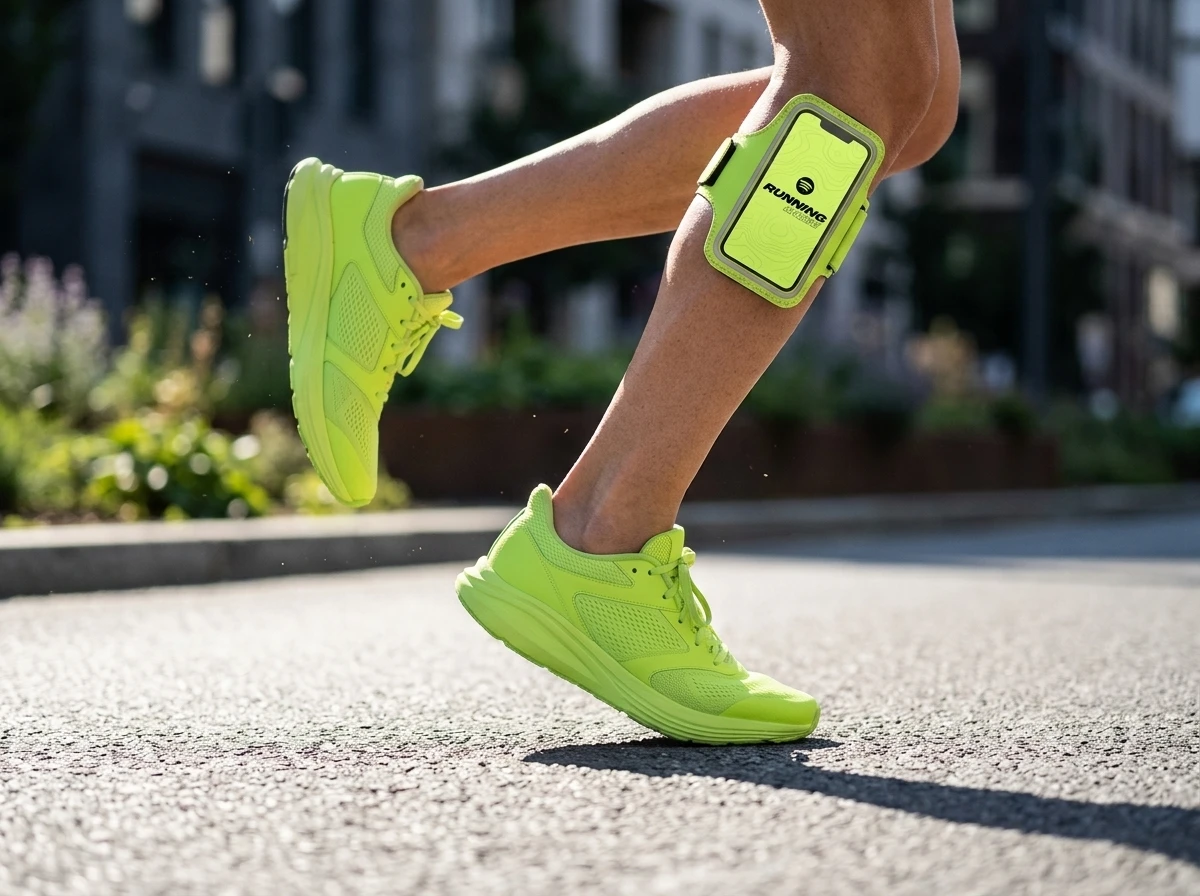
The 2015 experiment that disappeared
Spotify launched a Running feature in 2015 that used the phone’s sensors to detect your actual pace and swap tracks so the music locked to your footfalls. It was clever hardware-driven matching. The company retired it in 2018.
- 2015: Spotify Running debuts with automatic pace detection via phone hardware.
- 2018: The feature is retired after three years.
- January 2026: Prompted Playlists arrive; fitness requests quickly rank among the most common.
- April 2026: Fitness Hub launches with Peloton content.
- July 30, 2026: Running Mode ships on iOS in seven markets.
- August 18, 2026: Android version rolls out to the same markets.
The old version reacted to you in real time. The new one asks you to set the target first, then builds everything around that choice plus your taste profile. No more relying on imperfect sensor data mid-run. The AI simply delivers the structure and the soundtrack you asked for.
That design change also explains the long gap. Sensor matching looked smart on paper, yet drift and phone placement made mid-run swaps feel unreliable. Prompted Playlists gave Spotify a language layer that could accept a full session brief up front. Running Mode is that brief turned into a product, not a second try at hardware pace locks.
Fitness Hub already had the classes
Running Mode does not stand alone. In April Spotify opened the Fitness Hub and partnered with Peloton to give Premium subscribers access to more than 1,400 ad-free on-demand classes covering outdoor runs, strength, cardio, yoga and meditation. Instructors such as Rebecca Kennedy, Ally Love and Rad Lopez appear with no extra equipment required.
Spotify has said fitness prompts were among the heaviest users of its Prompted Playlists tool since January. Running Mode is the direct response: a self-guided layer that sits beside the instructor-led Peloton catalog. The whole hub lives under one search for “fitness.”
Around the same period Strava chose to discontinue our Spotify integration inside its own record screen. Athletes can still play Spotify in the background, but the tight in-app controls vanished. Running Mode fills part of that hole by keeping music, structure and cues inside a single Premium app.
The hub now offers two paths on the same screen. Choose a Peloton class when you want an instructor’s voice and a fixed plan. Choose Running Mode when you want your own library shaped into warm-up, work, and cool-down. Both paths stay ad-free for Premium users and require no extra gear.
Who can use it and how to start
Only Premium subscribers in the seven listed markets have access on both iOS and Android. Free-tier users see nothing. Open Spotify, search fitness or browse to the Fitness Hub, then select Running Mode. Generation of a full playlist takes roughly two minutes on first try.
- Markets: United States, Canada, United Kingdom, Ireland, Australia, New Zealand, Sweden
- Platforms: iOS since late July, Android since August 18
- Requirement: Active Premium subscription
- Session length: 10-90 minutes
- Audio cues: English only, optional
After the playlist builds you can smart-reorder tracks, add songs manually or refine the prompt again. Save anything that works for later runs.
First builds take the longest because the engine is assembling structure, tempo targets, and taste signals at once. Later sessions feel faster once you reuse a saved mix or only tweak the prompt. Manual adds and smart-reorder keep a strong skeleton even when a single track misses the mark.
A marathon runner put it through a pyramid
Lifehacker senior staff writer Meredith Dietz, who was training for a fall marathon, tested the feature on launch day even though it was supposed to be a rest day. She built a 35-minute Pyramid Rock Run, set discovery to 75 percent new music, locked BPM at 180 and turned coaching on.
The kick drum got me to maintain every runner’s dream: exactly 180bpm.
Dietz wrote that the mode forced her to notice how her stride changed with intensity and that the cues felt like a supportive friend. One hip-hop cue told her to “let the groove loosen my stride, and remember to unclench your fists and drop your shoulders.” A rock peak effort said “keep it snappy, but not forced.” She locked onto the kick drum during Paramore’s “Misery Business” and her Garmin confirmed exactly 180 steps per minute.
Not perfect: one cool-down track hit 210 BPM. Everything else tracked. Dietz called it a genuine training tool for building an internal metronome before race day, even if you ignore the specific songs.
- Coaching is pre-set to the workout structure, not live heart-rate response.
- Song announcements include the cue, which many runners enjoy.
- The same logic works across genres once the target BPM is set.
- Runners on X and in early posts already treat it as a pacing coach first and a playlist second.
The feature also surfaces a quiet demand: several early users asked for a “beast mode” gym version with the same structure.
Her pyramid run shows the practical limit of the design. Cues follow the blocks you chose, not a live heart-rate feed, so form reminders arrive on schedule even when effort spikes early. When the cool-down slipped to 210 BPM, the rest of the session still held 180, which is why she still framed it as metronome practice rather than a flawless DJ set.
Why this revival lands harder
The original Spotify Running relied on phone sensors that could drift. The new system asks for your goal, then uses the full weight of the recommendation engine plus Prompted Playlist language to deliver it. That shift makes every session feel intentional rather than reactive.
It also deepens the reason to stay Premium. With Peloton classes, creator workouts and now self-guided Running Mode all inside one app, the music service becomes the default place many people open when they lace up. Strava’s decision to pull the old integration only makes the in-house option more useful.
Spotify already counts roughly 293 million Premium subscribers. Fitness content is one more lever to keep them listening longer and churning less. The Android launch simply removes the last platform gap in the initial seven markets.
You can build a Running Mode session to fit any schedule today if you are a Premium user in those countries. The company describes it as a personalized running experience that transforms playlists into full sessions. For runners who remember the 2015 version, the new one finally keeps the promise without the sensor headaches.
How Target BPM and Cues Work Together
Beat matching and coaching look like separate toggles, yet they serve one job: hold cadence steady while the workout shape changes. You pick a number such as 160 or 180. The engine then favors tracks near that tempo. The optional speed toggle can stretch or compress songs so the beat stays exact, or you can leave original recordings alone for a natural feel.
English cues fire at the edges of the blocks you already chose. They do not read heart rate or rewrite the playlist mid-run. That is why Dietz heard form tips on the hip-hop recovery and a snappy push on the rock peak without the system renegotiating her 180 target.
| Control | What you set | What stays fixed mid-run |
|---|---|---|
| Target BPM | 160 popular default, or 170-180 for quicker cadence | Song pool aims at that tempo band |
| Speed matching | Force match or keep original tempo | Choice applies for the whole session |
| Coaching cues | English on or off | Lines follow preset structure, not live sensors |
| Discovery slider | Familiar library through mostly new music | Balance holds unless you rebuild |
When a single cool-down track overshoots, as in the 210 BPM case, the rest of the arc can still train the stride you wanted. Runners who care more about pacing than perfect catalog purity treat that tradeoff as acceptable.
What One App Changes For Daily Training
Strava’s removal of tight Spotify controls left a gap between recording a run and steering the soundtrack. Background playback still worked, yet the in-app music surface was gone. Running Mode answers inside Spotify instead: structure, BPM, cues, and saves live where the songs already are.
Peloton’s more than 1,400 classes cover days when an instructor leads. Running Mode covers days when you want self-guided blocks built from your taste profile. Fitness prompts were already heavy traffic on Prompted Playlists after January, so the company productized the pattern rather than leaving runners to type freeform requests every morning.
For a base of roughly 293 million Premium subscribers, that pairing is sticky by design. One search for fitness surfaces both paths. Daily playlist refresh and the option to save a mix reduce setup friction on repeat days. Early calls for a gym-focused “beast mode” suggest the same skeleton could travel beyond outdoor runs without changing the Premium wrapper.
None of this restores sensor-driven pace swaps from 2015. It replaces them with a brief you write once, a two-minute build, and a session you can reorder or prompt again before you head out.
Frequently Asked Questions
How does beat matching work in Spotify Running Mode?
You set a target BPM such as 160 or 180. Spotify then selects tracks whose tempos align with that number. An optional toggle can stretch or compress song speed so the beat stays exact, or you can leave original recordings untouched for a more natural feel. The popular default sits at 160 BPM while many serious runners choose 170-180 for faster cadence work.
What is the difference between new Running Mode and the old Spotify Running feature?
The 2015-2018 version used phone hardware to detect your real-time pace and automatically switched music. Running Mode is proactive: you choose workout type, duration, genre and target BPM first, then the AI builds the entire structured playlist including optional coaching. No sensor detection is required.
Which countries can use Spotify Running Mode on Android?
The feature is available to Premium subscribers in the United States, Canada, the United Kingdom, Ireland, Australia, New Zealand and Sweden on both iOS and Android. No other markets have been announced yet.
Is Spotify Running Mode free or Premium only?
It requires an active Spotify Premium subscription. Free-tier accounts do not see the feature in the Fitness Hub.
Can I customize the AI prompt behind a Running Mode playlist?
Yes. After choosing a preset you can tap View prompt and rewrite the request in everyday language. Requests such as keeping songs under three minutes or resurfacing older favorites are supported, and the more detail you give the closer the session matches your taste. Saved mixes can be reused later.


Spotify Running Mode hits Android and revives its old tempo experiment

Galaxy Tab S12 Ultra Renders Keep the Notch Fans Hate

Novato Spinning Round House Sells With Six Neighbors for $3.3 Million

Crop Tour Finds Indiana and Nebraska Corn Yields Lagging 2025

Best Buy 60th sale brings Android deals back to its roots

American Airlines reverses seatback screen bet years too late

Iran Hormuz Strikes Force Gulf Oil Onto Costlier Paths

Plague Tale Prequel Day One Joins Game Pass Wave 2 as Witcher Exits

NBA 2K27 opens The City to everyone and rewrites career eras

iOS 26.6.1 Patches 29 Flaws as AI Forces Faster Apple Updates

Guardians Rout Twins With Seven Homers, Leave Joe Ryan One Shy of Record

Caitlin Clark Skips the WNBA 3-Point Contest for a Third Straight Year

Rainout Gives Red Sox Two Shots at a Franchise-Record Win Streak

Double Fine Cuts 23 Jobs Weeks After Xbox Independence

John Hight Exits Wizards After Digital Reckoning Hits

Day-One Big Walk Lifts PS Plus August Beyond Recycled AAA

Curtis Mead’s Red Sox Debut Ends With Fractured Wrist

Moesch and Dressel Rewrite Night One at 2026 U.S. Nationals

Red Sox Squander Hot Streak Chance in 4-3 Loss to Athletics

Boutte’s Quiet Camp Takeover Forces Patriots Receiver Choices
-

 TECHNOLOGY3 years ago
How to Adjust a Bulova Watch Band – An Easy Guide
-

 News3 years ago
Fred Pentland: Athletic Bilbao’s English mentor who changed the essence of Spanish football
-

 FINANCE3 years ago
Tax Planning for Every Season: Guide to Maximizing Your Tax Benefits
-

 Education3 years ago
African Ministers New Education Plan
-

 BUSINESS3 years ago
What is Entrepreneurial Operating System? A Comprehensive Guide to EOS
-

 Education3 years ago
Innovate Your Learning Journey with Technology and Enhance Education
-

 BUSINESS3 years ago
Top 9 Most Expensive American Cities to Rent an Apartment
-

 News3 years ago
Russians formally out of World Athletics Championships