
News
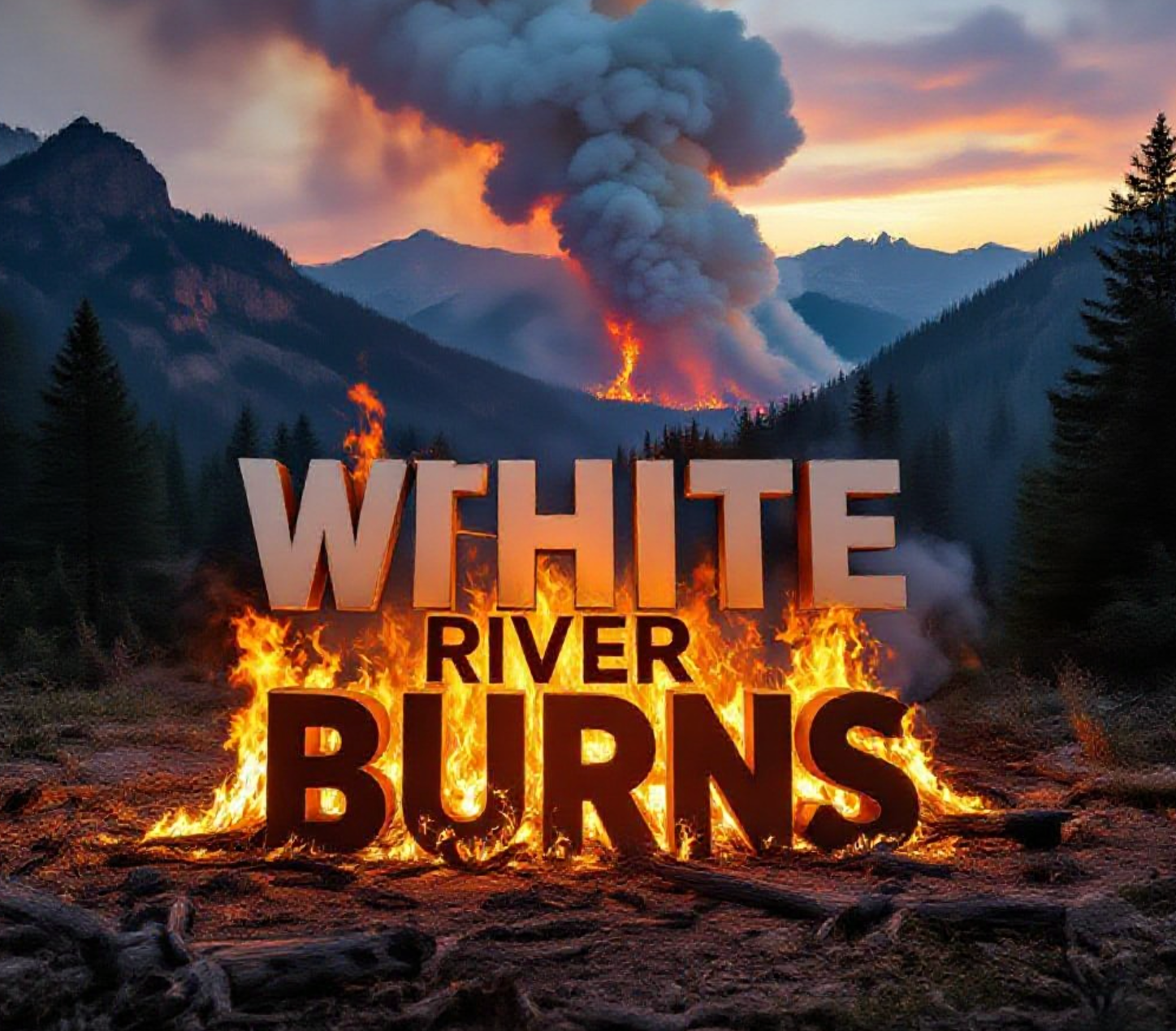
White River National Forest Starts Major Prescribed Burns Next Week

Colorado firefighters will light intentional fires across more than 2,000 acres of the White River National Forest starting as early as next week, the first big push of controlled burning in one of the country’s most visited national forests this spring.
The U.S. Forest Service says the four separate projects are urgently needed to thin overgrown brush and small trees that have piled up after decades of fire suppression, creating dangerous fuel loads just miles from mountain towns like Vail, Edwards, and Rifle.
These burns are the strongest tool officials have to keep the next mega-fire from racing toward homes.
Why the Forest Service Is Burning Right Now
Spring is the only safe window in many parts of Colorado. Enough snow has melted to let crews work, but the ground is still damp enough to keep flames from running out of control.
Forest Service officials told local media this week that soil moisture and fuel conditions are “ideal” in most units after an unusually wet April and early May across the central Rockies.
The White River National Forest has not conducted large-scale prescribed fires in some of these areas for more than 20 years. Small trees and brush now choke slopes that once burned naturally every 10 to 30 years.
“We are playing catch-up after a century of putting out every fire,” said Lisa Stoeffler, fuels specialist for the Eagle-Holy Cross Ranger District. “These projects are about giving the forest a chance to heal itself before the next lightning strike does it for us.”
The Four Burn Projects You Need to Know
Crews have laid out four separate operations totaling roughly 2,100 acres:
- Battlements Fire (near Rifle): 800 acres of pinyon-juniper and sagebrush on steep slopes above the Colorado River corridor. Smoke may drift into Rifle and Silt on certain wind days.
- Booth Creek (north of Vail): 450 acres of lodgepole pine and aspen just outside the Eagles Nest Wilderness boundary. This unit sits directly above Interstate 70 and could produce visible smoke columns for drivers.
- Braderich Creek (near Redstone): 500 acres along the Crystal River valley, one of the most scenic and heavily photographed areas in the state.
- Muddy Sheep (north of Edwards): 350 acres of mixed conifer on the flanks of the Gore Range, close to popular hiking and biking trails.
All four projects will be lit only when temperature, humidity, and wind line up perfectly. Each burn could be postponed or canceled up to the very last minute.
Heavy Smoke Expected in Valleys and Along I-70
People who live in or travel through the Eagle Valley, Roaring Fork Valley, and Colorado River corridor should plan for several days of thick smoke this month.
The Forest Service says the heaviest smoke will settle into valleys at night and early morning before lifting by midday. Drivers on Interstate 70 between Vail and Glenwood Springs may hit patches of low visibility.
Turn on headlights, slow down, and don’t stop on the highway to take pictures.
Air quality monitors in Aspen, Carbondale, and Eagle already recorded “moderate” days this week from distant fires in Arizona and New Mexico. Local prescribed burns will push readings into the “unhealthy for sensitive groups” range on some days.
People with asthma or heart conditions should keep windows closed and limit outdoor activity on heavy smoke days.
Trail Closures and Safety Perimeters
Large sections of popular recreation areas will be closed for up to a week at a time.
Booth Creek Trail, parts of the North Trail system above Vail, and several Forest Service roads near Redstone will be off-limits while crews are working.
Firefighters will patrol each burn area for days afterward, mopping up hot spots and watching for any spot fires outside the planned boundaries.
The Forest Service stresses that every one of these projects has been planned for years, with hand crews already cutting brush and building control lines all winter.
A Small Price for Long-Term Protection
These controlled fires will remove the thick understory that turned the 2020 Cameron Peak and East Troublesome fires into monsters.
By clearing ladder fuels now, firefighters hope to keep future wildfires on the ground instead of letting them climb into tree crowns and explode.
One day of planned smoke is worth a summer of not evacuating.
Residents who have lived through the Grizzly Creek Fire shutdown of I-70 in 2020 or the mandatory evacuations in Redstone during the Lake Christine Fire in 2018 understand the stakes.
The Forest Service is asking for patience while they do the hard, smoky work of making the forest safer for everyone.
What do you think about lighting fires on purpose to save the forest? Drop your thoughts in the comments below, and if you’re sharing on social media, use #WhiteRiverRxFire so others can follow the conversation.











OpenAI Says Apple’s Trade Secret Lawsuit Lacks Any Merit

Lucid’s Bankruptcy Denial Can’t Quiet Wall Street’s Doubts

IBM Stock Suffers Its Worst Trading Day Since the 1987 Crash

Cheap Chinese AI Models Are Undercutting Anthropic and OpenAI

ASML’s AI Chip Forecast Lifts Futures, Deepens Market’s Big Bet

SK Hynix’s Nasdaq Shares Race Ahead of Seoul by Up to 51%

Meta Workers Sue Over AI Layoffs That Targeted Medical Leave

Taco Bell Pulls Lettuce as Michigan Cyclosporiasis Cases Top 3,300

PayPal’s Five-Year Slide Makes It a $53 Billion Target for Stripe

Mega Millions Jackpot Hits $672 Million, but Taxes Claim Nearly Half

Halo Studios Reverses PS Plus for Halo: Campaign Evolved on PS5

Black Ops 1 and 2 PS5 Ports: $40 Price Tag Has Fans Uneasy

Matt Brown Dismisses Rousey and Paul’s MVP MMA Ratings Win Over UFC

Star Wars: Galactic Racer Is a Roguelite Racer With a Podracing Skin

Julius Randle Traded to Nets as Wolves Reclaim Cap Space for Dosunmu

Sega’s $49.99 Sonic Classic and Modern Bundles Hit Switch in October

Colombia Edge DR Congo as Muñoz Books World Cup Knockout Place

Douze Dixièmes Closes Five Months After MIO: Memories in Orbit

Warriors Take Yaxel Lendeborg, the Oldest Pick in the 2026 NBA Draft

Meta’s Muse Image Lets Anyone Use Your Instagram Photos in AI
-

 TECHNOLOGY3 years ago
How to Adjust a Bulova Watch Band – An Easy Guide
-

 News3 years ago
Fred Pentland: Athletic Bilbao’s English mentor who changed the essence of Spanish football
-

 FINANCE3 years ago
Tax Planning for Every Season: Guide to Maximizing Your Tax Benefits
-

 Education3 years ago
African Ministers New Education Plan
-

 BUSINESS3 years ago
What is Entrepreneurial Operating System? A Comprehensive Guide to EOS
-

 Education3 years ago
Innovate Your Learning Journey with Technology and Enhance Education
-

 News3 years ago
Russians formally out of World Athletics Championships
-

 BUSINESS3 years ago
Top 9 Most Expensive American Cities to Rent an Apartment