
News
Family Recovers $14,000 After Internet Installation Wrecks Home

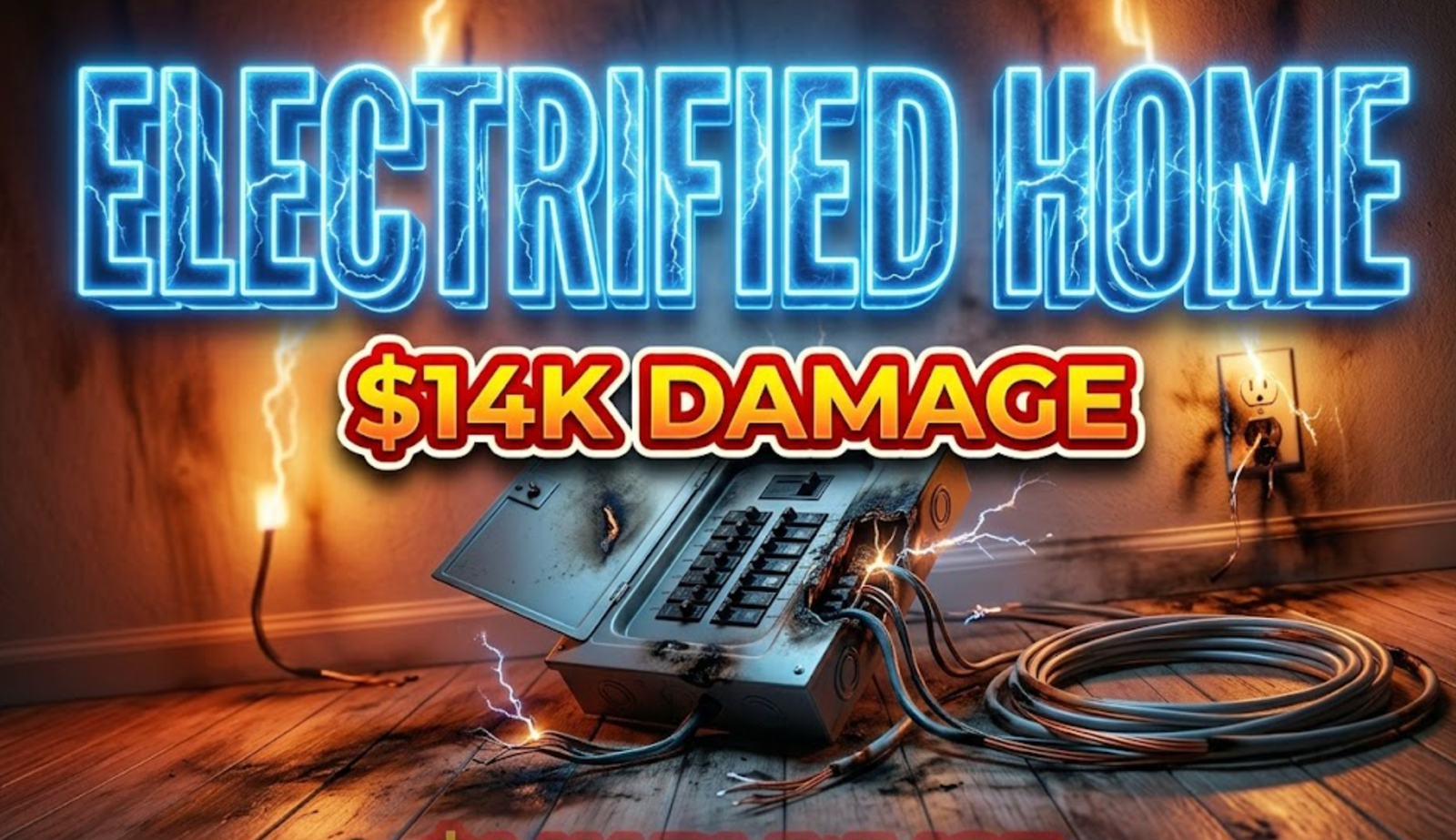
A dream home turned into an electrical nightmare for a Warsaw couple after fiber optic installation work allegedly damaged underground lines, leaving appliances fried and their savings account drained. What started as excitement over faster internet ended with months of finger-pointing between companies until local investigators stepped in.
New Homeowners Face Sudden Electrical Crisis
Melody and Tyler Rice had barely unpacked boxes at their Little Pike Lake property when disaster struck. Within weeks of moving in, their home became what electricians call “electrified” due to unstable voltage coursing through the walls.
The warning signs appeared suddenly and escalated fast. A lamp surged and exploded. Their washing machine and dryer went silent. The garage door refused to budge.
Then came the smell of smoke.
An emergency electrician spent hours diagnosing the problem before delivering grim news. He suspected a damaged neutral line, an electrical fault that creates voltage instability capable of destroying anything plugged into an outlet. His advice was blunt and urgent.
“Don’t touch anything,” he warned the young homeowners.
The electrician’s assessment pointed to external damage to utility infrastructure. The Rices say they had recently noticed Surf Internet crews working near their property, installing fiber optic lines as part of a rural broadband expansion.
Utility Company Points Fingers at Broadband Provider
NIPSCO personnel who responded to the emergency reportedly told the Rices that a damaged neutral line caused the electrical chaos. According to the homeowners, utility workers indicated Surf’s construction activity was involved in the damage.
But getting that assessment in writing proved impossible.
The Rices say they requested documentation and photographs from NIPSCO to support potential claims. The utility company refused, telling them such records would only be released under subpoena. Without legal action, the evidence remained locked away.
Surf Internet disputed responsibility and demanded proof the family couldn’t obtain. The Rices found themselves trapped in a corporate standoff with thousands of dollars in damages and no clear path forward.
Meanwhile, their savings account was bleeding. Replacement appliances, electrician bills, and the challenge of living through Indiana summer heat without reliable air conditioning added financial pressure the couple hadn’t budgeted for.
Insurance Denials and Legal Dead Ends
The couple’s homeowners insurance denied their claim, leaving them to cover losses out of pocket. They consulted an attorney hoping for answers, but received discouraging news instead.
Pursuing legal action would likely cost more than they could recover, the lawyer explained. For a young family just starting out, a protracted legal battle wasn’t financially realistic.
The Rices pulled approximately $7,000 from savings just to restore basic functionality to their home. New appliances replaced the damaged ones. Electrical repairs brought the house back to code. But the financial hit stung, and the lack of accountability stung worse.
Melody’s mother urged her daughter to contact local news early in the crisis. Melody resisted at first. Most people do. There’s an instinct to handle problems through proper channels before making them public.
But months passed with no resolution, no apology, and no reimbursement check. That’s when the Rices reached out to 21 Investigates.
Media Inquiry Changes Company Response
After 21 Investigates began asking questions, the situation shifted. Surf Internet’s public relations team indicated the company was reviewing the matter and would provide updates.
Months after the initial incident, Surf and a subcontractor returned to the Warsaw property. Workers declined on-camera interviews but referred questions to corporate communications. During that visit, Tyler says the tone changed noticeably.
Surf representatives asked the family to begin gathering receipts documenting their losses. For the first time since the nightmare began, the Rices felt they were being taken seriously.
The resolution came with strings attached. Surf ultimately issued payment to cover the family’s documented damages, but only after the Rices signed a non-disclosure agreement. The company has not publicly admitted fault, and the NDA prevents the family from discussing specific settlement terms.
Legal representation for Surf later disclosed the payment totaled nearly $14,000 for replacement appliances and related costs.
Broadband Expansion Raises Infrastructure Concerns
The Rice family’s ordeal highlights growing risks as rural broadband expansion accelerates across America. State and federal funding is driving fiber optic installations into previously underserved communities, bringing essential internet access but also bringing construction crews near aging underground infrastructure.
More digging means more opportunities for mistakes. Buried electrical lines, water pipes, and gas mains often lack precise mapping, especially in older neighborhoods. A single excavation error can cascade into thousands of dollars in damage.
When things go wrong, homeowners often discover there’s no clear path to accountability. Documentation gets trapped behind corporate policies or legal barriers. Insurance companies deny claims. Utility providers and contractors point fingers at each other while families shoulder the financial burden.
The Rices learned this lesson the hard way. Without media intervention, they might still be waiting for acknowledgment, let alone compensation.
Surf Internet declined a sit-down interview with 21 Investigates but provided a written statement from Chief Operating Officer Brent Williams emphasizing the company’s commitment to community responsibility. The statement acknowledged reimbursing the homeowners but stopped short of admitting fault.
A separate statement from Surf’s legal team asserted that investigation determined the third-party contractor “did not act negligently or improperly.” The payment was characterized as a goodwill gesture rather than an admission of liability.
The corporate language carefully distances Surf from responsibility while resolving the immediate financial damage. For the Rices, the money helps restore what was lost. But questions about what actually happened underground remain unanswered.
This case serves as a cautionary tale for homeowners in areas experiencing infrastructure upgrades. Document everything when construction crews work near your property. Photograph conditions before and after. Keep detailed records of any unusual electrical behavior or equipment failures.
If problems arise, contact utility companies immediately and request written documentation of their findings. Consider consulting legal counsel early, even if you don’t ultimately pursue litigation. And don’t hesitate to seek media attention when proper channels fail to produce results.
The Rices got their money back, but only after months of frustration and the intervention of investigative journalists. Not every family will have that option. As broadband buildouts continue reshaping rural America, the infrastructure supporting these communities needs protection equal to the investment being made in connectivity.
What’s your experience with utility damage or construction mishaps? Have you faced similar roadblocks getting accountability from service providers? Share your story in the comments below and let’s shed light on how homeowners can better protect themselves when progress comes digging through their neighborhoods.











Geekbench 7 Launches and Erases Three Years of Scores

Google’s Selfie Video Sign-In Arrives as Deepfake Fraud Surges

Samsung’s New Galaxy Z Fold 8 Undercuts Its Own Ultra

Kroger and Brookshire’s Recall Over 19 Million Eggs for Salmonella

Mortgage Rates Hit an 11-Month High as Oil Fears Bite

Oil’s Price Shock Collides With Wall Street’s AI Spending Boom

Parsley and Cilantro Emerge as Cyclospora Suspects in North Carolina

Walmart Dresser Recall Reveals a Wider Furniture Safety Sweep

Apple’s iOS 27 Speed Fixes Echo Its 2018 Playbook

Cheshire Medical Center Cyclospora Cluster Exposes a Wider Outbreak

Star Wars: Galactic Racer Is a Roguelite Racer With a Podracing Skin

Sega’s $49.99 Sonic Classic and Modern Bundles Hit Switch in October

Colombia Edge DR Congo as Muñoz Books World Cup Knockout Place

Warriors Take Yaxel Lendeborg, the Oldest Pick in the 2026 NBA Draft

Douze Dixièmes Closes Five Months After MIO: Memories in Orbit

Warhammer Horus Heresy Super-Heavy Tanks Share a Plastic Chassis

Pokémon GO Developer Niantic Rebrands as Scopely Explore

Persona 4 Revival Hands All Anime Cutscenes to Studio MAPPA

Doom Studio id Software Cuts Half Its Staff in Xbox Layoffs

Jaylen Brown Traded to 76ers for Paul George and Four Draft Picks
-

 TECHNOLOGY3 years ago
How to Adjust a Bulova Watch Band – An Easy Guide
-

 News3 years ago
Fred Pentland: Athletic Bilbao’s English mentor who changed the essence of Spanish football
-

 FINANCE3 years ago
Tax Planning for Every Season: Guide to Maximizing Your Tax Benefits
-

 Education3 years ago
African Ministers New Education Plan
-

 BUSINESS3 years ago
What is Entrepreneurial Operating System? A Comprehensive Guide to EOS
-

 Education3 years ago
Innovate Your Learning Journey with Technology and Enhance Education
-

 News3 years ago
Russians formally out of World Athletics Championships
-

 BUSINESS3 years ago
Top 9 Most Expensive American Cities to Rent an Apartment