
ENTERTAINMENT
Subnautica 2 Studio Apologises, Holds Line on No-Kill Combat

Unknown Worlds posted a public letter to its Subnautica 2 community on May 20 acknowledging that recent comments from the team had made players feel “ignored or dismissed,” apologising for the tone, and committing to a series of patches focused on creature behaviour, flare reliability, and Survival Tool feedback. The post landed six days after the game opened Early Access at $29.99 on Steam, the Epic Games Store, and the Xbox and Microsoft Store on May 14, a launch that cleared two million copies in its first 12 hours and pulled 651,000 concurrent players across PC and Xbox.
The tone repair was the simpler half of the job. What the letter cannot settle in a single post is whether the studio’s no-kill design pillar can hold against a player base openly asking for weapons, and that question now runs through every patch the team ships across the rest of the Early Access window.
Three Commitments the Studio Put in Writing
The community letter from the Subnautica 2 team, posted under the headline “A Letter To The Community From The Subnautica 2 Team,” opens with a direct apology before splitting into three sections. The first concedes that creature balance is broken. The second addresses the loud player request for the ability to kill hostile fauna. The third reframes Early Access itself as collaboration rather than a queue for bug reports.
On balance, the studio writes that “some predator encounters feel more frustrating than tense or exciting” and that “mitigation tools are not always clear, reliable, or satisfying.” The acknowledgement matters because it is the first time the development team has put that judgement in writing since launch week, when public-facing comments leaned defensive.
On combat, the studio holds its line with softer language. The letter says the team’s “current direction is not based on judging players who want combat, and it is not because we think those players are wrong,” while restating that Subnautica’s identity sits on “vulnerability, exploration, and survival rather than traditional weapon-based combat.”
On Early Access process, the studio commits to “listen carefully, explain our decisions respectfully, and show through our actions that player feedback is shaping the game.” The phrasing is unusually direct for a publisher post at this stage of a launch cycle; most studios reach for “we hear you” boilerplate. Unknown Worlds names the failure and apologises for it.
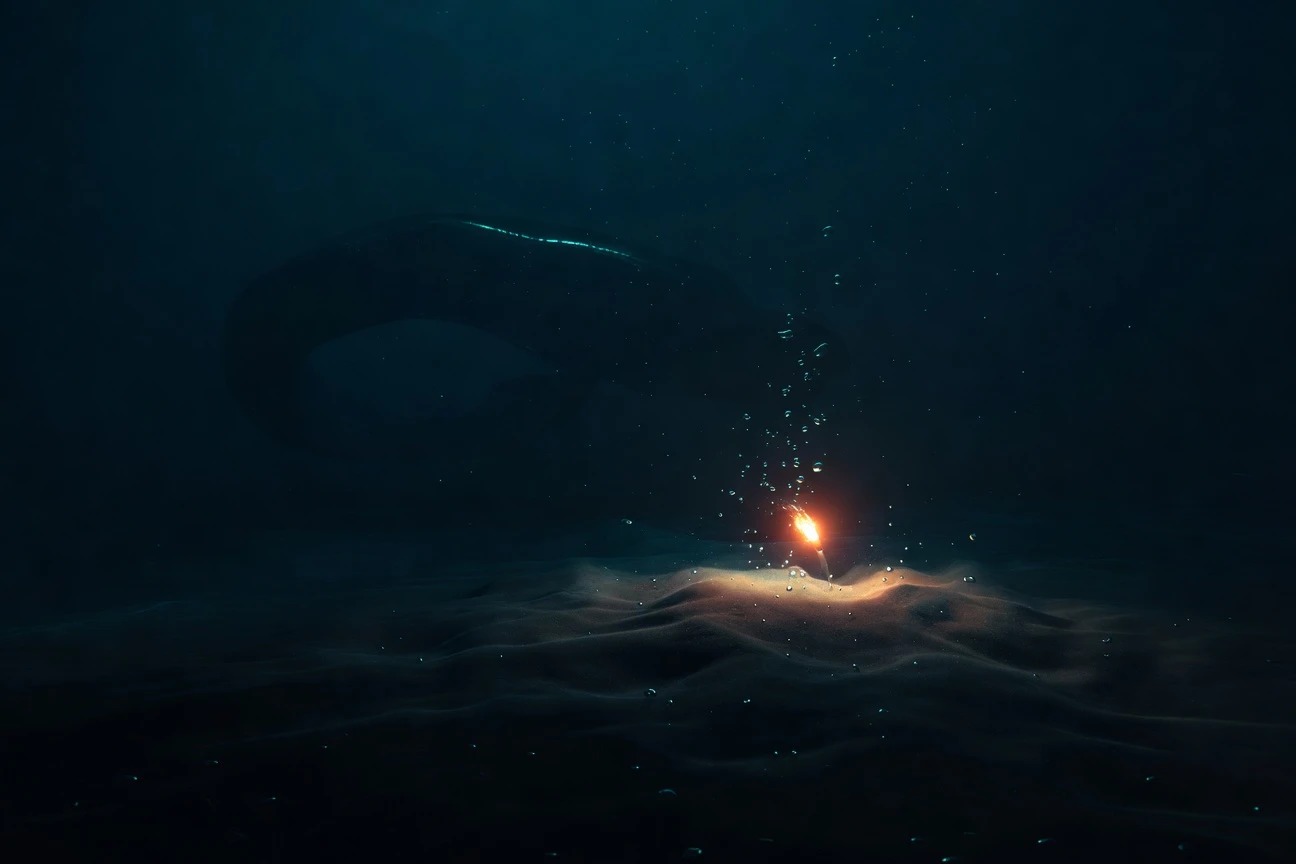
How a Discord Reply Forced a Studio Response
The trigger for the letter was a single exchange on the studio’s official Discord. A player asked why Subnautica 2 does not allow players to kill hostile creatures, and Artyom O’Rielly, a level designer on the project, replied:
We aren’t a killing game. Go play Sons of the Forest or something if you want to kill.
The reply spread to Reddit and gaming press within hours. O’Rielly later walked the tone back, telling players that it was not his intention to criticize anyone who wants combat, and that he did not think those players were wrong. That same softer phrasing appears, almost verbatim, in the studio letter five days later.
For a game sitting on 92% “Very Positive” Steam reviews and over 18,000 positive scores by May 18, the Discord clip cut harder than the raw review math would suggest. The complaint thread was not about whether the game is good. It was about whether the studio respects the audience asking for changes.
The Korean-language Steam review track currently sits at “Mixed” across 785 reviews, the only major language hub where sentiment has turned. The localisation gap matters: the studio’s English-only Discord apologies do not reach the section of the audience most visibly unhappy.
Where the Demand for Weapons Comes From
The combat request did not start as a request for a knife. It started as a request for an encounter that ends. In the first Subnautica, players could swat a Stalker with a survival knife and break off the engagement; in the sequel, flares are the primary defensive tool, and a flare that fails to deter a predator leaves the player with no decisive option.
A May 17 Kotaku piece characterised the problem as a violence imbalance, with too many predators dealing too little damage too often, leaving players in a loop of being chased but rarely killed. Players on the official Nolt feedback board asked openly for Subnautica 1’s creature health values to return, framing the change as restoring engagement clarity rather than adding combat content. Earlier coverage of the self-defence debate traced how the missing knife became the load-bearing complaint of launch week.
The studio letter lists the specific levers the team will adjust:
- Creature aggression timing, so predators stop locking onto the player from across a biome
- Aggro range, the distance at which a hostile creature notices the player
- Flare effectiveness, so the primary non-lethal tool consistently breaks off a chase
- Survival Tool feedback, so the player can read which response is working
- Creature interactions with vehicles and bases, where current attacks can damage progress without warning
Every lever on that list tunes existing tools rather than adding a kill option.
The No-Kill Design Pillar Unknown Worlds Is Defending
Subnautica’s identity is a deliberate inversion of the survival genre. Sons of the Forest, Rust, Valheim, and Ark all use weapon progression as the structural backbone of the survival loop. Subnautica’s loop is built on geography, oxygen, and dread. Removing the kill button was part of that intentional inversion, and the original game’s design depends on it.
That choice paid commercially. The first game has shipped over 12 million copies across PC, console, and mobile since its 2018 full launch, with the no-kill loop holding through nearly every player survey as a top-three reason for the original’s appeal.
The sequel inherits the pillar but enters a market where the comparison set has shifted. Sons of the Forest, the title named in the Discord reply, hit Steam in 2023 with full weapon-led combat and pulled over 4 million sales in its first 24 hours of Early Access. The competing template is louder than it was when the first Subnautica reached its audience.
What the letter does not concede is the pillar. The studio is willing to apologise for the comment, retune flares, adjust aggression curves, and make every non-lethal encounter feel readable. A knife, a spear gun, or a kill switch is not on that list. Players asking for that specific change are being told, in softer language, that it is not coming.
Subnautica 1 vs Subnautica 2 on Self-Defense
The single biggest source of player friction is the gap between what the first game offered for personal defence and what the sequel offers. The comparison set is short, and it explains why the Discord reply landed so badly.
| Self-Defense Tool | Subnautica (2018) | Subnautica 2 (Early Access) |
|---|---|---|
| Survival Knife | Crafted from Titanium, deals damage, can kill smaller fauna | Not present at launch |
| Flares | Light source, mild deterrent | Primary deterrent tool, currently unreliable |
| Stasis Rifle | Freezes creatures in place | Not present at launch |
| Repulsion Cannon | Pushes hostile creatures away | Not present at launch |
| Vehicle ramming | Possible against most fauna | Limited, damage runs both ways |
The original shipped with a graded ladder of responses. A player who saw a hostile fish could choose to flee, freeze it, push it, or, in extremis, attack it with a knife. The sequel currently offers flares and distance. When the flare fails, distance is the only remaining option, and the predator’s aggro range often closes the gap before distance works.
The studio’s planned patches do not add to the ladder; they tune the rung that already exists. That is the design bet: if flares become reliable and aggro becomes readable, the missing rungs stop being missed.
What the Coming Patches Have to Deliver
The studio’s prior Early Access roadmap, published alongside the May 14 launch, sets out a cadence of hotfixes and focused improvements for systems and smaller features, with larger biome and creature expansions falling later in the cycle. The first hotfix shipped within 48 hours of launch and targeted save-game stability rather than balance.
The promises in the May 20 letter sit on top of that calendar. The five named adjustments to creature behaviour are the most testable commitments the team has made, because each one has a measurable outcome a player can verify in a single play session. If flares break off a chase, players will say so on the Subnautica 2 Steam store page. If aggro range tightens, the same review pages will reflect it. The studio has, in effect, written its own near-term grading rubric.
The harder unresolved item is the Korean-language sentiment line. A “Mixed” Steam rating in any major language tier tends to persist unless the publisher both ships the fix and communicates the fix in that language. Unknown Worlds’ apology was English-only, posted to an English-language site. Whether the studio extends the same gesture to its Korean, Simplified Chinese, and Japanese audiences will be the second test, separate from balance.
If the next two patches land the flare fix and tighten predator aggro to something a player can read, the loud combat thread fades and the game’s 92% positive base holds. If the changes ship and the encounters still feel unfair, the next community letter will not have the room this one had.






Judge Strips Google’s Last App Store Friction After Epic Demo

Fold 8 Success Makes Its Dusty Hinge Costlier Than Ever

Silver Lake Workday Talks Test PE Appetite for AI-Hit Software

Wholesale Prices Flat but Wage Lag Keeps Households Squeezed

Teen E-Motos Draw Hells Angels Label and Risk Legal Ebike Gains

Apple’s Siri Pay-Per-Use Plan Rewrites News Licensing Rules

Cramer Calls Cisco Plunge a Buy as AI Orders Surge

Play Points Platinum Quietly Cuts Pixel 11 Prices Again

Quincy Gas Station Sold the $1.04 Billion Powerball Ticket

Microsoft Scraps Failed Copilot Features in Forced App Merge

ZA/UM Lays Off 32 Staff as Zero Parades Wins Reviews, Not Players

EA’s New In-Game Ad Platform Skips the Games That Need It Most

Mortgage Rates Climb to 6.55%, the Highest Level in Nearly a Year

Colby Covington Stuns Tsarukyan as Askren Retires in Tears at RAF 11

Netflix Heads Into Earnings With Its 2022 Playbook Already Spent

Spain’s Diaspora-Rooted Squad Wins Over New York Ahead of the Final

NHL’s Monday Matinee Push Puts Capitals Fans on the Clock

DeChambeau’s Two-Shot Penalty Rewrites the Open’s Weekend Draw

Guardians Rout Twins With Seven Homers, Leave Joe Ryan One Shy of Record

England Beats France 6-4 to Claim World Cup Bronze Medal
-

 TECHNOLOGY3 years ago
How to Adjust a Bulova Watch Band – An Easy Guide
-

 News3 years ago
Fred Pentland: Athletic Bilbao’s English mentor who changed the essence of Spanish football
-

 FINANCE3 years ago
Tax Planning for Every Season: Guide to Maximizing Your Tax Benefits
-

 Education3 years ago
African Ministers New Education Plan
-

 BUSINESS3 years ago
What is Entrepreneurial Operating System? A Comprehensive Guide to EOS
-

 Education3 years ago
Innovate Your Learning Journey with Technology and Enhance Education
-

 News3 years ago
Russians formally out of World Athletics Championships
-

 BUSINESS3 years ago
Top 9 Most Expensive American Cities to Rent an Apartment