
News
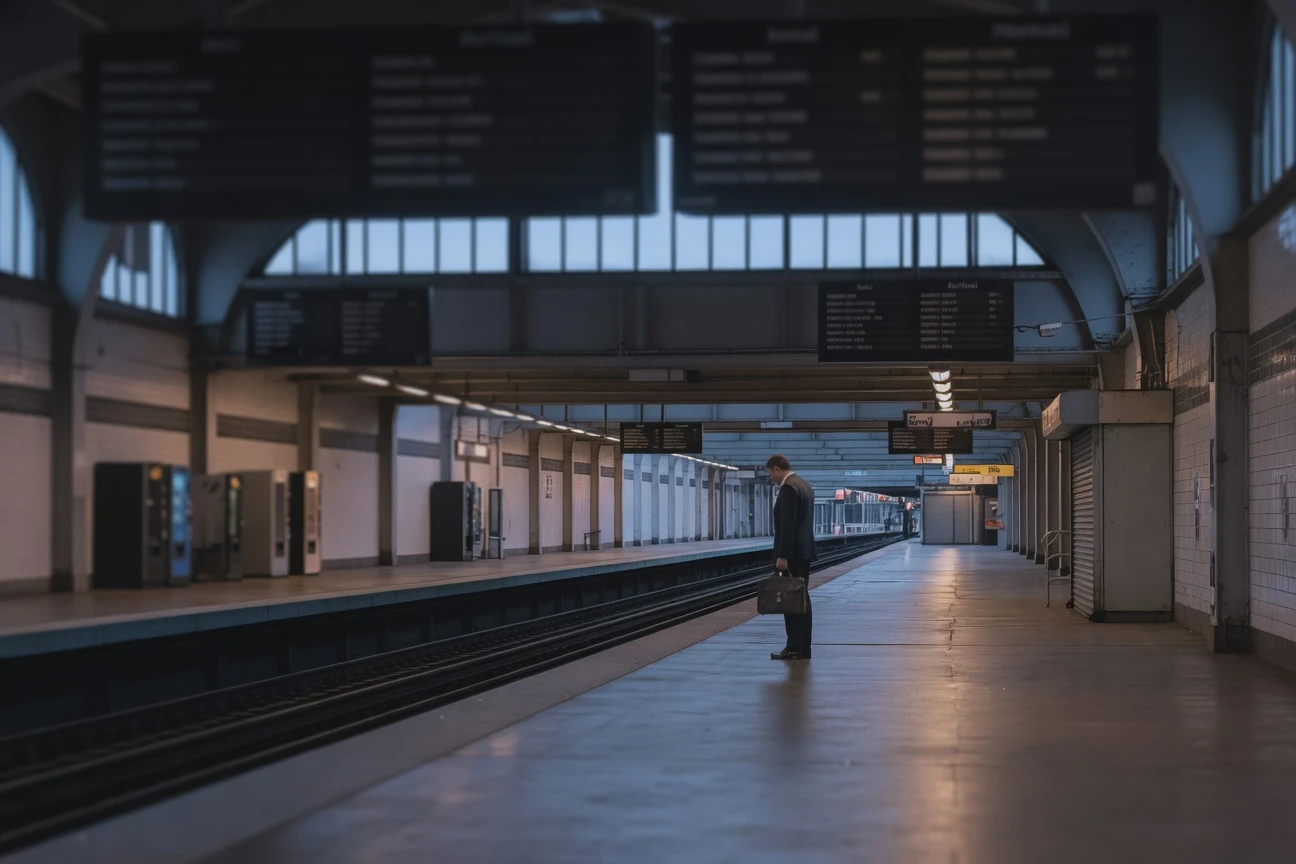
LIRR Strike Hits Third Day as 250,000 Commuters Face a Tougher Manhattan Run

The Long Island Rail Road has been shut for a third straight day, with roughly 3,500 unionized workers across five locals on strike since 12:01 a.m. Saturday and no deal after marathon mediation that broke up shortly before dawn Monday. The shutdown of North America’s busiest commuter railroad has left around 250,000 weekday riders to find a Manhattan commute that has gotten harder, more expensive, and a lot slower to make by car.
The wage gap between management and labor is now about one percentage point on the fourth year of a four-year contract, according to negotiators on both sides. That margin, on paper trivial, is colliding with a city that has spent the past year reorganizing its commute around the trains that are no longer running.
The Numbers Behind the Shutdown
The Metropolitan Transportation Authority (MTA, the state agency that operates the LIRR) confirmed Sunday night that every branch of the system remains suspended. The railroad normally runs about 947 trains a weekday and carries roughly 250,000 customers, a workload no other commuter line in North America matches.
Five unions representing engineers, signalmen, machinists, and other shopcraft workers walked off after their bargaining committees failed to close on a deal Friday. Conductors, who are union members but not party to the strike, are honoring the picket lines, which is why the trains physically cannot move. The two sides agreed to restart talks Monday morning after the federal National Mediation Board’s mediation process summoned them back to the table Sunday afternoon.
The shape of the dispute is narrow but stuck.
| Issue | Union Position | MTA Position |
|---|---|---|
| Year-four wage increase | 5% | 3% base, up to 4.5% with work-rule concessions |
| Total wage rise over four years | 14.5% | Lower percentage plus a $3,000 lump sum |
| Healthcare premiums | Status quo, no new worker contribution | New contribution introduced late in talks |
| Last raise | 2022 | 2022 |
A 1% Gap Drove 250,000 Commuters Off the Tracks
The arithmetic of the dispute is unusually clean, and that is part of why it stings. Both sides agreed on the first three years of the contract. The fourth year is where it broke.
What the Unions Are Asking
The five locals want a 5% raise in the contract’s final year, on top of three earlier years already settled, for a cumulative 14.5%. Workers have not seen a raise since 2022, a stretch in which New York-area inflation ate into real wages and the city’s housing costs kept rising. Union spokespeople said Sunday the two sides were “about 1% apart” on the year-four number after the MTA’s last offer.
What the MTA Put on the Table
Management’s last proposal landed at 3% base for year four, with sweeteners that could push the figure to 4.5% if the unions accepted changes to work rules and overtime triggers. The agency layered in a $3,000 lump-sum payment to bridge the gap. MTA Chair and CEO Janno Lieber said the offer “literally gave them everything they said they wanted in terms of pay” and was still rejected.
The Healthcare Flashpoint
The other live issue is healthcare. Union negotiators say the MTA introduced new worker contributions to health premiums late in the process, language they argue was “never discussed in bargaining.” The agency frames the contribution as standard cost-sharing already in place elsewhere across its workforce. Either way, the healthcare line is doing real work in keeping the deal apart, because a year-four percentage that looks acceptable on paper looks different once a new premium is netted against it.
Shuttle Buses Carry a Fraction of the Ridership
The MTA’s contingency plan is built around 275 shuttle buses ferrying essential workers from Long Island park-and-rides to subway transfer points in Queens. Governor Kathy Hochul said the service runs from 4:30 a.m. on weekday mornings, with return trips in a 3 to 7 p.m. window. Total capacity is roughly 13,000 riders in the morning peak and another 13,000 in the afternoon.
Set against a quarter million weekday riders, the shuttle plan absorbs roughly five percent of normal demand. The agency has been blunt that it is a triage tool, not a substitute service, and it is steering everyone else to work from home or to drive to subway transfer points and ride in.
The shuttle routes published by the agency:
- To Howard Beach-JFK Airport station: Bay Shore, Hempstead Lake State Park, Hicksville, and Mineola
- To Jamaica Center-Parsons/Archer station: Huntington and Ronkonkoma
- Citi Field park-and-ride: $6 parking with a transfer to the 7 train, which runs at two-to-three-minute headways
A test run from Hicksville to Howard Beach to Penn Station clocked at one hour and 50 minutes, roughly an hour longer than the typical 50-minute LIRR ride. The 7, A, E, F, J, and Z lines have spare capacity, the agency said, with gap trains on standby if Queens stations get overcrowded.
The Manhattan Toll Closes the Driving Escape Valve
In any earlier LIRR strike, the obvious fallback was the car. That fallback is now considerably more expensive than it was twelve months ago.
New York’s Congestion Relief Zone toll schedule charges passenger cars with E-ZPass a $9 peak fare to enter Manhattan south of 60th Street between 5 a.m. and 9 p.m. on weekdays. The toll has been live since the start of 2025 and is locked in at the $9 rate through 2027, climbing to $12 in 2028 and $15 in 2031 under the MTA’s phase-in plan.
What a day of driving now costs a Long Island commuter who used to take the train:
- $9 congestion zone toll, peak weekday
- $30 to $60 for a Midtown garage parking spot
- $10 to $20 in fuel for a typical round trip from Nassau or Suffolk, with regional gas prices higher than they were last spring
- Bridge and tunnel tolls on top, depending on the route
Stacked together, the daily cost of substituting a car for the train can run $80 to $130 before lost time is priced in. That bill is precisely what the original LIRR fare structure was meant to undercut, and it is the bill that the strike is now sending to riders who do not have a remote-work option.
Why This Strike Looks Different From 1994
The last LIRR walkout was a two-day affair in June 1994, ended by then-Governor Mario Cuomo pushing both sides to a settlement before the workweek ground down. The 1987 stoppage ran longer, eleven days, and reset the railroad’s labor relations for a generation. Both played out under the same Railway Labor Act framework that governs the current dispute, which is why the National Mediation Board has authority here and why Congress could, in theory, legislate the workers back if the impasse drags.
What is different this time is the MTA’s posture. Lieber, speaking after the strike was declared, framed the agency’s stance in fiscal terms.
Everybody loses in a strike. The MTA, the thousands of workers who are going to lose wages, and most of all the riders who rely on the railroad every day. We cannot responsibly make a deal that implodes MTA’s budget.
That language reads as a deliberate signal to bondholders and to Albany. The agency’s operating budget is under pressure from federal funding uncertainty and from the slower-than-projected ramp of congestion-pricing revenue, and the chair was telling the room he is not going to settle a precedent-setting raise that other MTA locals would then point to in their next negotiation. The unions, for their part, are reading the same fiscal picture and concluding the agency can afford another percentage point if pushed.
There is also a political layer the 1994 strike did not carry. New York City Mayor Zohran Mamdani, sworn in in January, posted on X late Sunday that the city was “preparing for travel disruptions going into the workweek and New Yorkers should too.” Hochul has separately called the strike “reckless.” The phrase is doing work: it pressures the unions without conceding ground to the MTA’s wage line.
Mediation Resumes With a Narrow Window
Talks restarted Monday morning at 7:30 a.m. with the National Mediation Board in the room. The Board’s leverage is procedural rather than coercive. It can summon, draft proposals, and keep the parties at the table, but it cannot order anyone back to work.
The next pressure points are calendar-driven. A fourth weekday of suspended service would mark the longest LIRR strike since the 1987 walkout, a comparison the agency would prefer to avoid. The Penn Station fire two days before the strike began has already cut into Amtrak and New Jersey Transit capacity at the same terminal, narrowing the system’s ability to absorb stranded LIRR riders even on routes that physically remain open. Congress has a Railway Labor Act mechanism available to it, but the political appetite to use it on a state-agency dispute is thin.
If the two sides close the year-four gap and resolve the healthcare contribution language Monday, trains can be moving by Tuesday morning’s commute. If they do not, the city is looking at a second full workweek priced around shuttle buses, the 7 train, and a $9 toll that makes the car the most expensive alternative on the board.





Stripe Bid Shows PayPal Moat Cracked After Years of Slide

FDA Class I Tag Hits Finished Egg Recall Weeks Later

Berkshire’s Alphabet Surge Marks Abel’s Cash Deployment Shift

Aston Martin Bets 150 Valen V12s Will Print the Cash

Walmart Took Most of the Recalled Lettuce Behind Cyclospora Wave

Silver Lake Workday Talks Signal Private Floor for Software

Zuckerberg’s AI Letter Joins a Wave of Tech Manifestos

Pixel 11 Takes Battery Edge as Galaxy S26 Keeps the Power Lead

Trump Economy Faces Reckoning as Sentiment and Sales Slide

Apple’s 15% External Cut Still Faces Its Own Zero Admission

ZA/UM Lays Off 32 Staff as Zero Parades Wins Reviews, Not Players

EA’s New In-Game Ad Platform Skips the Games That Need It Most

Mortgage Rates Climb to 6.55%, the Highest Level in Nearly a Year

Colby Covington Stuns Tsarukyan as Askren Retires in Tears at RAF 11

Spain’s Diaspora-Rooted Squad Wins Over New York Ahead of the Final

NHL’s Monday Matinee Push Puts Capitals Fans on the Clock

DeChambeau’s Two-Shot Penalty Rewrites the Open’s Weekend Draw

Guardians Rout Twins With Seven Homers, Leave Joe Ryan One Shy of Record

England Beats France 6-4 to Claim World Cup Bronze Medal

Rainout Gives Red Sox Two Shots at a Franchise-Record Win Streak
-

 TECHNOLOGY3 years ago
How to Adjust a Bulova Watch Band – An Easy Guide
-

 News3 years ago
Fred Pentland: Athletic Bilbao’s English mentor who changed the essence of Spanish football
-

 FINANCE3 years ago
Tax Planning for Every Season: Guide to Maximizing Your Tax Benefits
-

 Education3 years ago
African Ministers New Education Plan
-

 BUSINESS3 years ago
What is Entrepreneurial Operating System? A Comprehensive Guide to EOS
-

 Education3 years ago
Innovate Your Learning Journey with Technology and Enhance Education
-

 News3 years ago
Russians formally out of World Athletics Championships
-

 BUSINESS3 years ago
Top 9 Most Expensive American Cities to Rent an Apartment