
Health
Levothyroxine Recall Leaves Millions to Catch the Risk Themselves
Major Pharmaceuticals recalled 12 subpotent levothyroxine lots and calls the health risk low, but the notice reached retailers, not the patients who take it daily.

Major Pharmaceuticals has recalled 12 packages of its generic levothyroxine sodium tablets after testing found the pills subpotent. The Food and Drug Administration (FDA, the U.S. agency that regulates prescription drugs) classified it a Class II recall on July 17, 2026. Roughly 23 million Americans take the thyroid drug every day.
The company says the tablets are “not likely to cause adverse health effects.” But the recall letter went to retailers and pharmacies, not to patients directly, so most people taking an affected lot will only find out if they go looking for it.
Twelve Packages, Seven Strengths
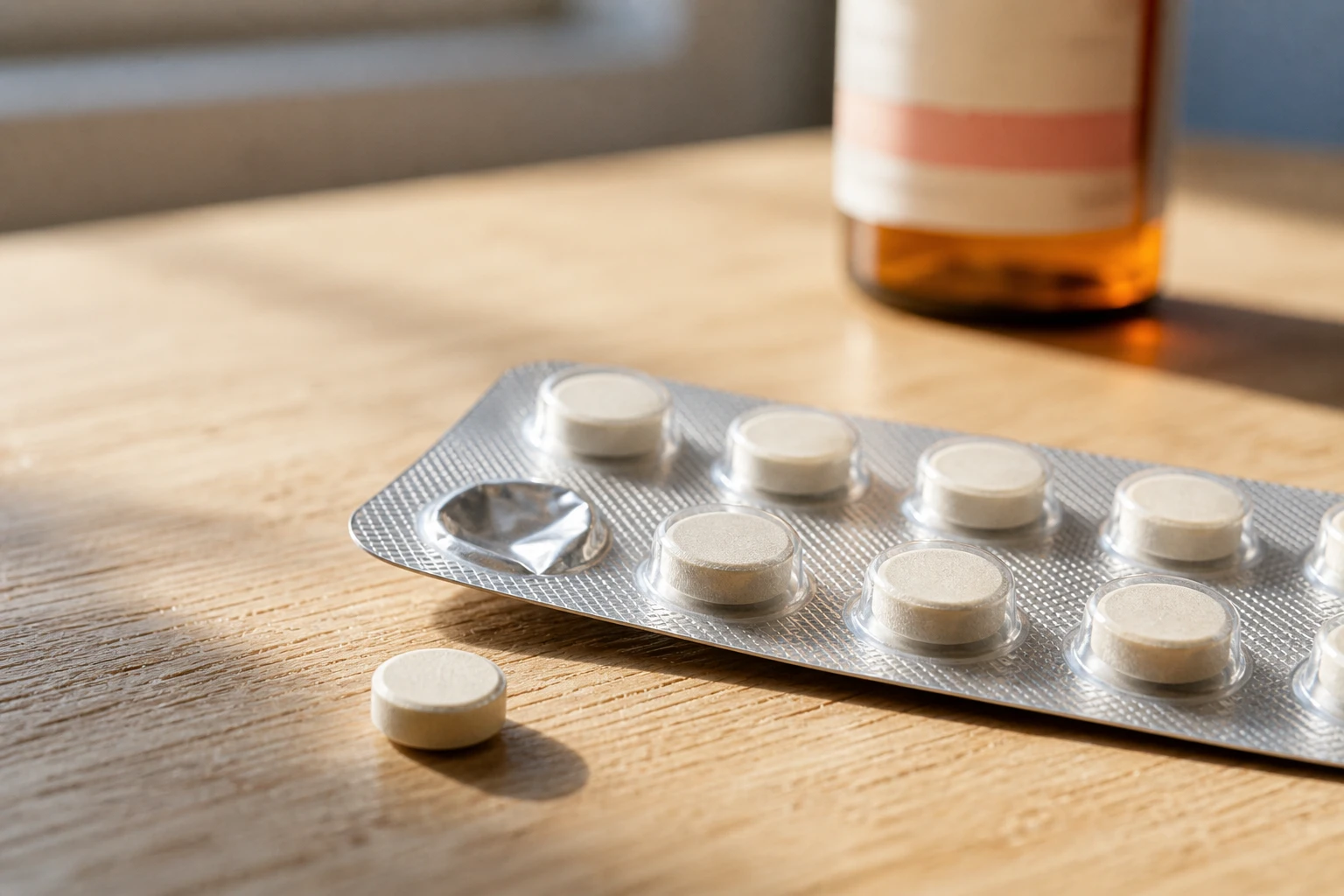
The recalled tablets were sold under the Major label and, in some cases, redistributed through Cardinal Health, according to the letter Major Pharmaceuticals sent to retailers this month. They shipped nationwide beginning in January 2025, in two formats: bottles of 100 tablets packed as ten blister cards of ten, and smaller cartons of 10 tablets in single-dose blister packs.
Twelve product lines are affected across seven dosage strengths, from 25 micrograms up to 150 micrograms. Every recalled package requires a prescription.
| Strength | Package Sizes Recalled | Lot Number(s) | Expiration |
|---|---|---|---|
| 25 mcg | 100 count and 10 count blister cartons | N02212 (bag lots N02212A, N02212B) | July 2026 |
| 50 mcg | 100 count and 10 count blister cartons | N02200 (bag lots N02200A, N02200B) | October 2026 |
| 75 mcg | 100 count blister cartons | N02172, N02296, N02288 | July 2026 and December 2026 |
| 88 mcg | 100 count blister cartons | N02310 | January 2027 |
| 112 mcg | 100 count blister cartons | N02203 | September 2026 |
| 125 mcg | 100 count and 10 count blister cartons | N02266 (bag lots N02266A, N02266B) | November 2026 |
| 150 mcg | 100 count and 10 count blister cartons | N02167 (bag lot N02167A) | July 2026 |
A bottle at one of these strengths with a different lot number falls outside the recall. Pharmacists can confirm a specific bottle using the prescription record on file.
Why the Pills Fell Short
Major Pharmaceuticals flagged the problem through routine stability testing, the ongoing checks manufacturers run on drugs already sitting on pharmacy shelves. Certain tablets failed to meet assay specifications, the potency benchmark a pill has to clear to deliver the dose printed on its label.
That makes the tablets subpotent. They carry less levothyroxine than promised, not more, and there is no reported contamination or mislabeling involved.
The FDA defines a Class II recall as one where a product might cause temporary or medically reversible harm, or where serious harm is unlikely. It sits in the middle of the agency’s three-tier scale, above a minor Class III recall and below a Class I, which is reserved for situations that could cause death or serious injury.
Taking the recalled tablets “is not likely to cause adverse health effects.”
Major Pharmaceuticals wrote that assessment directly into the recall letter, while still instructing retailers to pull the affected lots and asking patients to return them to the point of purchase.
Millions of People, One Quiet Recall
Levothyroxine treats hypothyroidism, an enlarged thyroid gland and certain thyroid cancers, according to the Mayo Clinic. It replaces a hormone the body isn’t making enough of on its own, and most patients stay on it for life.
Roughly 23 million Americans, about 7% of the country, take a levothyroxine tablet daily, according to Yale School of Medicine’s research into thyroid prescribing patterns. That scale is what makes a recall like this one logistically hard. No single pharmacy chain, doctor’s office or insurer holds a complete list of who filled which lot.
- 23 million Americans take a levothyroxine tablet every day, roughly 7% of the population.
- 12 recalled packages span seven dosage strengths, from 25 mcg up to 150 mcg.
- Class II recall, the FDA’s mid-tier designation, was confirmed on July 17, 2026.
- 18 months on shelves is roughly how long the affected lots have been available, dating to when nationwide distribution began in January 2025.
The Notice Most Patients Will Never See
Recall letters like this one travel through the drug supply chain. Major Pharmaceuticals sent its notice to retailers and pharmacies, who are then expected to pull affected stock and, where records allow, flag it to the patients who bought it.
That system works best for pharmacies with tight lot-level tracking. It works worse for patients who filled a 90-day supply months ago, refill by mail order, or never read the small print on a blister card. For many of them, the first sign of trouble is a news alert, not a call from their pharmacist.
Levothyroxine is usually refilled on a fixed schedule. Once a dose is considered stable, patients often go six to twelve months between thyroid blood tests. A subpotent lot could sit in a medicine cabinet, or in a patient’s bloodstream, well past the point most people would notice anything had changed.
Little Room for Error
Thyroid hormone is dosed in micrograms, and small shifts in supply can matter more than they would with many other drugs. A review indexed in the National Library of Medicine’s risks of suboptimal and excessive thyroid hormone replacement across ages found that both under-dosing and over-dosing carry measurable health consequences at every stage of life.
Under-treated hypothyroidism can bring back fatigue, weight gain and slowed thinking, according to the Cleveland Clinic. Left uncorrected for long stretches, it raises cardiovascular risk, and in pregnancy it has been linked to miscarriage and developmental problems.
Doses also drift over time, which is why the American Academy of Family Physicians recommends regular follow-up testing rather than a set-and-forget prescription.
Thyroid Drugs Have Failed This Test Before
This isn’t the first time a thyroid hormone product has come up short. Acella Pharmaceuticals previously recalled lots of its NP Thyroid tablets, a different, animal-derived thyroid hormone drug, after testing found some carrying as little as 87% of their labeled strength.
Thyroid medications sit in an unusually unforgiving spot for manufacturers. The hormone dose has to land within a narrow band to keep patients stable, and even routine batch-to-batch variation can be enough to trigger a recall.
What Should You Do With a Recalled Bottle?
Check the strength and lot number on your bottle or blister card against the list above, then contact the pharmacy where you filled it. Most pharmacies will exchange a recalled prescription at no extra cost, and physicians generally advise against stopping thyroid medication abruptly while you sort it out.
- Match the label. Compare the strength and lot number on your bottle or blister card against the table above, or ask your pharmacist to check it against the recall list.
- Don’t stop cold. Hypothyroidism symptoms can return within days of skipping doses, so keep taking your current supply unless a doctor tells you otherwise.
- Call before you swap anything. Ask your pharmacy to exchange the recalled bottle rather than buying a new one out of pocket.
- Watch for symptoms creeping back. Fatigue, weight gain, low mood or brain fog are worth mentioning at your next appointment, especially if your next thyroid test isn’t scheduled soon.
Frequently Asked Questions
Is This the Same as a Synthroid Recall?
No. Synthroid is a different, brand-name version of levothyroxine made by a different manufacturer, and it is not part of this action. This recall covers only generic tablets from Major Pharmaceuticals sold under the Major label or through Cardinal Health.
Can I Stop Taking My Levothyroxine Until I Get a Replacement?
Doctors generally advise against stopping thyroid hormone abruptly, even if your bottle is on the recalled list. Hypothyroidism symptoms can return within days to weeks, so the safer step is calling your pharmacist or prescriber to arrange a swap while continuing your current dose.
Where Do I Find the Lot Number on My Bottle?
The lot number is printed on the blister card itself or on the label your pharmacy attached to the bottle or carton, usually near the expiration date. If you can’t locate it, your pharmacist can look it up using your prescription record.
Will My Insurance Cover a Replacement Prescription?
Most pharmacies process a recall exchange as a straight swap rather than a new fill, since the manufacturer caused the shortfall, not the patient. Coverage details can still vary by insurer, so it’s worth confirming with your pharmacy before you leave with a new bottle.
What if I Already Finished the Recalled Bottle?
Major Pharmaceuticals describes the health risk as unlikely, and a Class II recall by definition involves a low probability of serious harm. If you finished the bottle without new symptoms, there’s no specific test tied to this recall, though it’s worth mentioning at your next thyroid check.
Disclaimer: This article is for general information only and is not medical advice; anyone taking a recalled levothyroxine lot should talk to a pharmacist or physician before changing their dose, and details reflect the recall as of July 28, 2026.


MapLight Stock Plunges After Schizophrenia Trial Splits on Dosage

Starship Survives Its Splashdown, Clearing SpaceX’s Path to a Historic Catch

Red Cross Declares Second-Ever Blood Crisis as Donors Age Out

FDA Advisers Back Six Peptides but Gray Market Endures

Sandisk and ASML Shares Sink as China Ships Chip Tools

Maple Leaf Bacon Recall Exposes a Border Checkpoint Pattern

Mamdani’s 30% Grocery Discount Plan Alarms NYC’s Bodega Owners

Levothyroxine Recall Leaves Millions to Catch the Risk Themselves

Cyclospora Fears Push Americans Toward the Processed Foods RFK Jr. Opposes

Ford’s Custom Garage Push Bets Big on Owning the Aftermarket

Pokémon GO Developer Niantic Rebrands as Scopely Explore

Persona 4 Revival Hands All Anime Cutscenes to Studio MAPPA

Jaylen Brown Traded to 76ers for Paul George and Four Draft Picks

Doom Studio id Software Cuts Half Its Staff in Xbox Layoffs

Nintendo Switch Online Adds Four Classics and One Japan-Only Title

Jordan Henderson Hospitalized After Wrist Injury at the Azteca

Mexico’s World Cup Run Ends at Azteca as England Hold On 3-2

Meta’s Muse Image Lets Anyone Use Your Instagram Photos in AI

Louis Vuitton Beats Molly Tea in China, Triggers Cultural Backlash

Pink Bearista Cup Returns July 13 as Starbucks Pink Vibes Drops
-

 TECHNOLOGY3 years ago
How to Adjust a Bulova Watch Band – An Easy Guide
-

 News3 years ago
Fred Pentland: Athletic Bilbao’s English mentor who changed the essence of Spanish football
-

 FINANCE3 years ago
Tax Planning for Every Season: Guide to Maximizing Your Tax Benefits
-

 Education3 years ago
African Ministers New Education Plan
-

 BUSINESS3 years ago
What is Entrepreneurial Operating System? A Comprehensive Guide to EOS
-

 Education3 years ago
Innovate Your Learning Journey with Technology and Enhance Education
-

 News3 years ago
Russians formally out of World Athletics Championships
-

 BUSINESS3 years ago
Top 9 Most Expensive American Cities to Rent an Apartment