
News
Dell XPS 13 Googlebook Leak Puts Flagship Chassis on New OS
Geekbench and Chromium traces show Dell’s first Googlebook is an XPS 13 with Snapdragon X Elite, OLED and 32GB options, elevating Google’s new laptop tier.

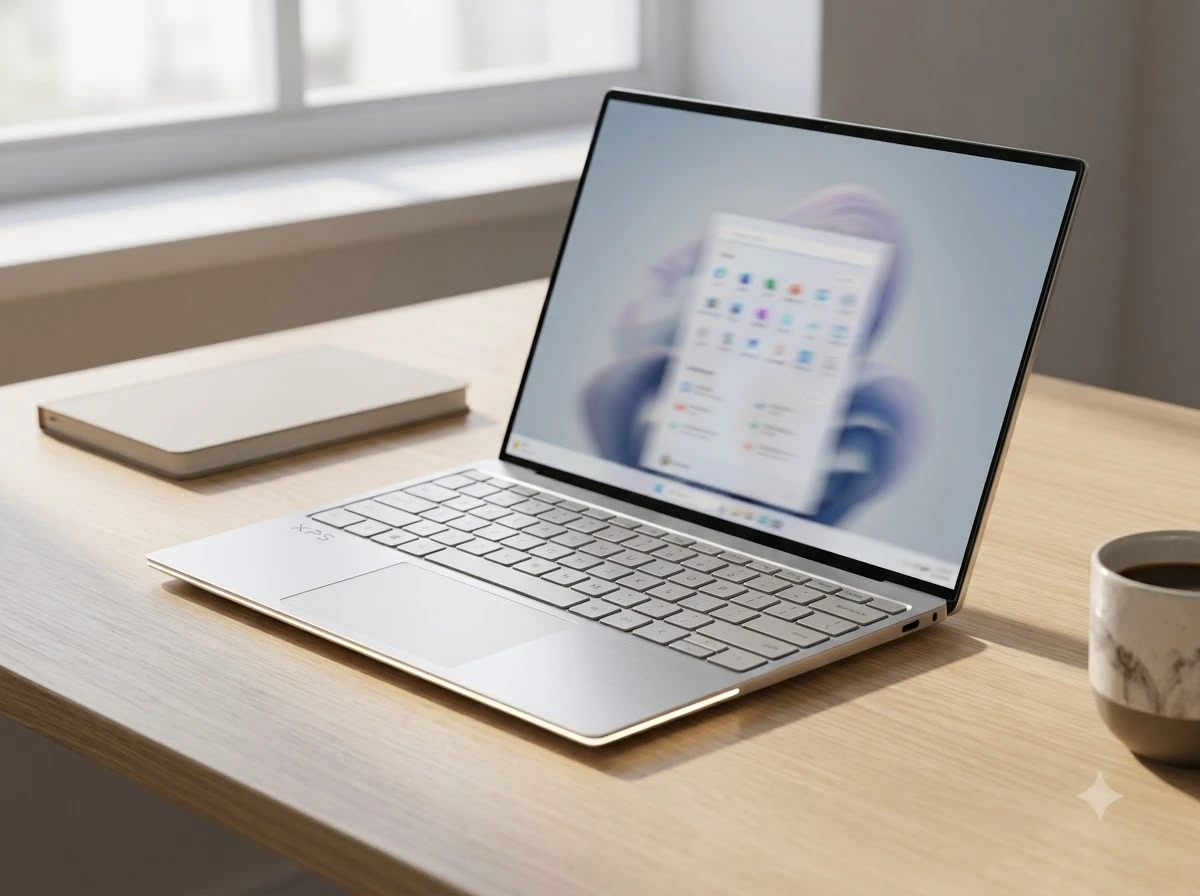
Geekbench runs and Chromium board traces now identify Dell’s first Googlebook as the XPS 13 DX13267, codenamed Mica, packing a Snapdragon X Elite chip, up to 32GB of RAM and a 13.4-inch OLED panel. The find lands weeks before Google’s expected fall hardware window and puts the company’s flagship consumer chassis on the new Android desktop platform.
That choice matters more than another midrange Chromebook ever did. Dell kept XPS on Windows and Linux for years while limiting ChromeOS work to education and enterprise Latitude lines. Putting the same premium shell on Googlebook changes the signal OEMs send about the platform.
The timing sharpens the point. Hardware fingerprints arrived while Android 17 desktop work, also called Aluminium OS in development, is still being tuned. Buyers and partners alike now have a concrete chassis to measure against the software schedule rather than another abstract reference board.
How the Mica Breadcrumbs Lined Up
Hardware leaks rarely arrive as a single document. This one formed from overlapping software fingerprints.
- A board codenamed Mica appeared in Chromium Gerrit work under Qualcomm’s Bluey reference family for Snapdragon X Googlebooks.
- Power management and battery health code mirrored Dell’s proprietary firmware patterns.
- Multiple Geekbench 6 entries listed the model as “Dell XPS 13 (DX13267)” alongside “Google Multi-device ARM64” aliases.
- Thumbprints inside those runs referenced mica-userdebug on Android 17 desktop build CL2B.260330.081.
GbookHub connected the pieces and confirmed the Mica board tied to DX13267 benchmarks. The model number sits one digit off Dell’s current Windows XPS 13 DX13260, pointing to a shared chassis family rather than a rebadged Latitude.
Each breadcrumb alone could have been noise. Together they form a consistent chain: a Bluey-family board name, Dell-style firmware habits, explicit XPS model strings in Geekbench, and a userdebug Android 17 desktop build tag. That overlap is why the tracking community treated the identification as settled rather than speculative.
The one-digit model gap also carries industrial meaning. Shared chassis families let Dell reuse hinge tooling, lid geometry and port placement across operating systems. Mica is therefore not a clean-sheet Googlebook experiment. It is an XPS 13 body prepared for a second OS stack.
Expected Specs Against the Windows Twin
Supply chain notes and the benchmark configurations paint a clear high-end picture while software is still being tuned.
| Feature | Googlebook XPS 13 (DX13267 / Mica) | Windows XPS 13 (DX13260) |
|---|---|---|
| Processor | Qualcomm Snapdragon X Elite (X1E-80-100) | Intel Core 5 320 / Core Ultra options |
| NPU | 45 TOPS Hexagon | Intel integrated AI features |
| Memory | 16GB or 32GB LPDDR5X | 8GB to 32GB LPDDR5X |
| Display | 13.4-inch OLED touch, 2880 × 1800 | 13.4-inch 2.5K touch, 30-120 Hz |
| Connectivity | Wi-Fi 7, Bluetooth, dual USB-C | Wi-Fi 7, Bluetooth 6.0 |
| Signature feature | Lid Glow Bar, biometrics | InfinityEdge design |
Early Geekbench 6 numbers hover near 2,200 single-core and push past 9,500 multi-core. Those figures will shift as Google finishes desktop windowing work on Android 17, also called Aluminium OS in development. The silicon already matches flagship Windows-on-Arm machines that share the same X Elite family. The current Windows XPS 13 DX13260 chassis gives a reliable preview of the industrial design, hinge feel and port layout buyers can expect.
Memory configuration is telling. The Googlebook side starts at 16GB and reaches 32GB LPDDR5X, skipping the 8GB floor still present on the Windows twin. That floor matches Google’s premium baseline rules and the on-device Gemini workload targets. The OLED panel choice further separates the two SKUs: Mica leans into a high-resolution touch surface while the Windows model lists a 2.5K touch panel with a variable 30-120 Hz range.
Connectivity stays close across both machines, with Wi-Fi 7 and Bluetooth present on each side and dual USB-C called out for the Googlebook entry. The clearest visual split is the signature feature row. Glow Bar and biometrics mark the Googlebook identity. InfinityEdge remains the Windows design language buyers already know.
Why Putting XPS on Googlebook Changes the Rules
For more than a decade the premium ultraportable tier stayed locked to Windows or macOS. ChromeOS devices improved, yet most OEMs kept their best materials, thinnest hinges and highest-resolution panels on the older desktop OS. Dell’s move breaks that habit.
Google set strict baseline hardware rules for Googlebook: premium materials, a distinctive Glow Bar light strip, strong NPUs for on-device Gemini features, and tight Android phone continuity. Those rules appear to have given partners confidence that the new category would not dilute brand equity. Dell answered by bringing the XPS name itself rather than a new mid-tier badge.
Dell’s XPS 13 as its first Googlebook (Mica / DX13267) is the most interesting news yet. Dell was my preferred brand for build quality before the 2013 Pixel.
That reaction from longtime Google laptop user @senatordev on X captures the shift many enthusiasts felt. The same accounts that once settled for plastic education Chromebooks now see a path to the chassis they already trusted for Windows work. The practical test they flag is not the CPU score. It is whether desktop windowing, Linux container support and multi-window Android apps feel finished enough to replace a daily Windows XPS.
Brand equity travels both ways in this arrangement. Googlebook gains an instantly recognizable premium shell. XPS gains a second operating system lane without inventing a new consumer sub-brand. The risk is equally shared: unfinished windowing would land on a name shoppers already associate with high build quality, not on an anonymous education chassis.
The Five-Partner Launch Pack Takes Shape
Google named its first-wave makers in May: Acer, ASUS, Dell, HP and Lenovo. Lenovo led public visibility with Sapphire detachable renders and a 15-inch model. HP’s Quartz board became the Googlebook 14c. ASUS, Acer and now Dell’s Mica complete the initial set according to the tracking community.
All three silicon suppliers are represented. Qualcomm’s Bluey boards target the NPU-forward AI tier with Snapdragon X. Intel and MediaTek cover other price bands. The shared Glow Bar and Android base give the devices a common identity even as chassis diverge. Dell’s decision to use XPS rather than a Latitude-style business name positions its entry at the top of that pack.
The same Qualcomm silicon already powers Windows Copilot+ laptops. Extending it to Googlebook via the confirmed Qualcomm Snapdragon X for Googlebook fall launch removes the old performance gap that once made ChromeOS feel second-class on paper.
Partner roles inside the pack already look differentiated by form factor and naming:
- Lenovo: early public renders, Sapphire detachable work, and a 15-inch model that stretches the size range.
- HP: Quartz board path into the Googlebook 14c name, staking a clear mid-size slot.
- Dell: XPS 13 Mica / DX13267, placing a flagship consumer ultraportable at the top of the set.
- ASUS and Acer: remaining first-wave slots tracked by the community as the set reaches five.
That spread matters for shelf presence. A detachable, a 14-inch model and a 13-inch XPS give retailers distinct shapes to display under one Glow Bar identity rather than five near-identical clamshells.
Dell’s Earlier Chrome Choices
Dell never ignored ChromeOS. It simply kept the work in different lanes.
- 2010s education wave: Chromebook 11 and similar models targeted schools with durable, low-cost designs.
- 2019 enterprise push: Latitude 5300 2-in-1 and 5400 Chromebook Enterprise brought Chrome Enterprise Upgrade, management tools and business support.
- Consumer retreat: XPS stayed exclusive to Windows and Developer Edition Linux. No flagship consumer ChromeOS laptop reached retail under the XPS badge.
- 2026 Googlebook pivot: Mica / DX13267 reuses the XPS 13 industrial design language for the new Android desktop OS.
That history explains why the leak resonates. Enthusiasts spent years asking for an XPS Chromebook. Dell answered only after Google re-architected the entire laptop stack around Gemini, Android apps and premium hardware mandates. The pattern echoes Google’s earlier laptop restart pattern, where each new generation tries to fix the gaps of the last.
Read in sequence, the four stages show a steady narrowing of the gap between Dell’s best consumer materials and Google’s laptop platforms. Education and enterprise absorbed the early volume. The consumer flagship stayed walled off until the platform itself demanded premium materials, a strong NPU and phone continuity as baseline requirements rather than optional extras.
What the Hardware Signals Before Fall
Several practical implications already stand out from the confirmed pieces.
- Performance floor: 12-core X Elite plus 32GB options puts the machine in true workstation ultraportable territory once software matures.
- AI local execution: 45 TOPS NPU supports the on-device Gemini features Google showed at announcement, including Magic Pointer and custom widgets.
- Phone continuity: Android base enables Quick Access to phone files and seamless app casting without the old ChromeOS limitations.
- Brand risk and reward: If Aluminium OS desktop windowing lands polished, XPS gains a second high-margin OS. If it feels unfinished, the XPS name absorbs the criticism.
Pricing and final retail naming remain open. Other partners are folding “Googlebook” into model names. Dell will likely do the same while keeping XPS as the design anchor. Final battery life, keyboard feel and display brightness numbers will decide whether the machine competes with the Windows DX13260 or simply sits beside it.
Google’s own announcement page already lists partners including Acer, ASUS, Dell, HP and Lenovo and highlights the Glow Bar as the visual signature every device will share. The Dell unit now gives that signature a chassis many buyers already know how to love.
Those four signals also set the review agenda for fall. Critics will not stop at single-core totals near 2,200 or multi-core runs past 9,500. They will ask whether Magic Pointer and custom widgets feel native, whether Quick Access replaces cloud workarounds, and whether the Glow Bar reads as a finished design cue or an unfinished badge.
How Shared Silicon Narrows the Old Gap
One structural change runs beneath the Mica leak. The Snapdragon X Elite family already ships in Windows Copilot+ laptops. Googlebook now draws from that same well through Qualcomm’s Bluey reference line.
Earlier ChromeOS generations often trailed Windows on paper because the silicon lanes stayed separate. Different chip families made side-by-side score comparisons feel unfair before a reviewer even opened the lid. Shared X Elite silicon removes that excuse. Early Geekbench 6 figures near 2,200 single-core and past 9,500 multi-core already land in the same band as flagship Windows-on-Arm machines.
The NPU side of the story is equally direct. A 45 TOPS Hexagon unit is called out for on-device Gemini work, including Magic Pointer and custom widgets. That capacity is no longer an optional accelerator bolted onto a low-power education chip. It is part of the same high-end package Dell is placing inside an XPS 13 shell.
Buyers still need finished desktop windowing, Linux container support and stable multi-window Android apps before the scores matter day to day. The hardware gap that once framed ChromeOS as second-class on spec sheets is, on this chassis, no longer the limiting factor.
What Fall Must Prove for the XPS Name
Mica’s confirmed pieces already sketch the checklist Google and Dell must clear when the fall hardware window opens.
- Desktop windowing polish: Aluminium OS must make multi-window Android apps and Linux containers feel like daily drivers, not demos.
- Gemini feature readiness: Magic Pointer, custom widgets and other on-device tools need to use the 45 TOPS NPU without draining the premium thin chassis.
- Continuity that sticks: Quick Access to phone files and app casting have to replace the workarounds enthusiasts tolerated on older ChromeOS builds.
- Design follow-through: Lid Glow Bar, biometrics, hinge feel and dual USB-C layout must match the XPS standard set by the DX13260 Windows twin.
None of those items require new silicon. They require software maturity on top of the X Elite configuration already visible in Geekbench and board traces. Pricing and final retail naming can flex. The XPS badge cannot absorb a half-finished desktop experience without cost.
Other partners folding “Googlebook” into model names give Dell a clear naming path that keeps XPS as the design anchor. The industrial preview is already public through the current Windows DX13260. Fall therefore becomes a software referendum on a chassis shoppers already understand.
A Flagship Chassis Finally Crosses the Line
The Mica leak does more than fill a partner slot. It shows a top-tier OEM treating Google’s new desktop OS as worthy of its thinnest, most recognizable consumer design. For years the premium laptop conversation stayed inside Windows and Apple walls. Dell just opened a door in that wall with its own best materials. Fall will show whether the software on the other side is ready for the hardware.


NFL Three-Strike Safety Fouls Now Pull Coaches and Clubs In

Browns Fans Tape Protest Signs to Jim Brown Statue Over Watson

Amazon Pixel 11 Deal Erases the $100 Hike for One More Day

Elden Ring on Switch 2 Turns Its Own Worst Label Into a Portable Win

Ternus Takes the Stage With Apple’s Foldable Debut

Ikea Xbox Yxstaby Turns Controller Thumbstick Into Home Furniture

Pokémon Center Turns Past Worlds Wins Into Bundles and a Pikachu Coin

NFL Scraps Pro Bowl Game to Restore Pure Player Honor

New Twitter.now Bets the Brand Musk Left Behind

Bella Mir’s Famous First Loss Meets the Accountant Who Won

Take-Two CEO Pushes Netflix Subs for GTA 6 Extended Look

Halo Campaign Evolved Skulls Meet Death Barriers That Kill the Hunt

Wildlands Free Update Hands Players the Tools They Already Invented

Quake Gets 19 Free Maps From MachineGames Quake Club

Destiny 2 Fans Unlock Vaulted Maps After Live Service Ends

Quordle Monday Delivers Gavel Crush Speed Ethos Cleanly

Stripe Bid Shows PayPal Moat Cracked After Years of Slide

Tyson’s Five-Year Utah Plant Falls to Cattle Shortage Reckoning

Silver Lake Workday Talks Signal Private Floor for Software

Kennedy Lewis Takes Majority Control of The Greenbrier in $500M Deal
-

 TECHNOLOGY3 years ago
How to Adjust a Bulova Watch Band – An Easy Guide
-

 News3 years ago
Fred Pentland: Athletic Bilbao’s English mentor who changed the essence of Spanish football
-

 FINANCE3 years ago
Tax Planning for Every Season: Guide to Maximizing Your Tax Benefits
-

 Education3 years ago
African Ministers New Education Plan
-

 BUSINESS3 years ago
What is Entrepreneurial Operating System? A Comprehensive Guide to EOS
-

 Education3 years ago
Innovate Your Learning Journey with Technology and Enhance Education
-

 News3 years ago
Russians formally out of World Athletics Championships
-

 BUSINESS3 years ago
Top 9 Most Expensive American Cities to Rent an Apartment