
News
Grand Junction Innovates Healthcare Housing Jobs Fix

In Grand Junction, Colorado, a local organization is pioneering solutions to tackle the intertwined crises of healthcare access, affordable housing, and stable employment. The Freedom Institute, led by President and CEO Micah Espinoza, has teamed up with partners to create innovative tools that address these needs, especially for people recovering from addiction or incarceration, with new expansions rolling out in 2025.
Breaking Cycles of Poverty and Incarceration
The Freedom Institute stands as a beacon for change in western Colorado. Founded to rebuild lives in overlooked communities, the group focuses on five key areas. These include targeted case management, supportive housing, employment training through social enterprises, recovery services, and policy advocacy.
Espinoza explains that many individuals face barriers after prison or addiction. They need basics like jobs, homes, and health support. The institute serves over 300 people each year in places like Grand Junction, Montrose, and Gunnison. Recent data from the U.S. Department of Health and Human Services shows that about 83 million Americans lack proper primary care access, a problem echoed on the Western Slope.
This year, the organization has grown its reach. It now offers programs like career mentoring and bus passes to help with daily needs. Partnerships with state initiatives have boosted these efforts, making real differences in people’s lives.
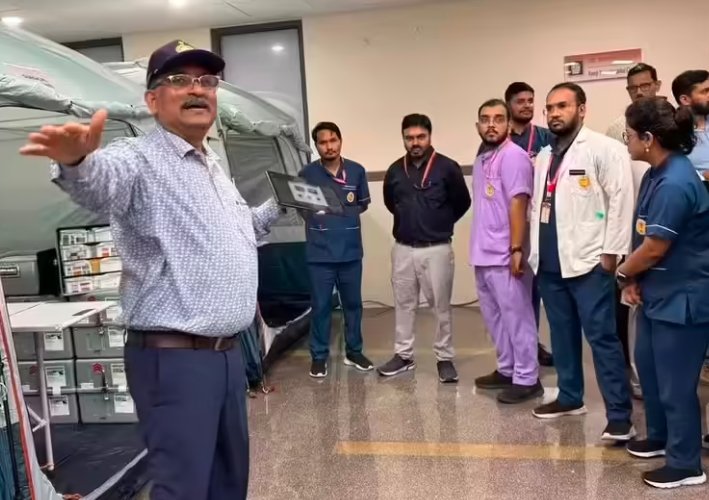
Freedom Industries Drives Employment Growth
Freedom Industries marks a bold expansion for the institute. This branch provides job opportunities tied to Colorado’s Work and Gain Education and Employment Skills program, known as WAGES. Started in 2014 through state legislation, WAGES redirects funds from corrections to community support for reentering citizens.
Workers at Freedom Industries handle tasks like landscaping, home repairs, and property cleanups. Espinoza calls it a way to build skills while earning a living. In 2025, the program plans to add more roles in construction and maintenance, responding to local labor shortages.
A recent report from the Colorado Department of Corrections highlights that such programs cut recidivism by up to 20 percent. Participants gain not just paychecks but also confidence and stability. The institute’s approach combines practical training with mentorship, helping people move from survival to success.
Here are some key services offered by Freedom Industries:
- Job search help with resume building and interview prep
- Access to tools like computers and professional clothing
- Training in trades such as fencing, roofing, and sprinkler systems
- Support for getting IDs and transportation
Partnering for Housing and Healthcare Solutions
A fresh partnership with LadaBuild introduces what Espinoza dubs the “two-by-four of the future.” This innovative building material aims to make housing more affordable and healthcare more accessible. It could form the basis for quick-build structures that serve as homes or clinics.
The idea stems from the growing housing crunch in Colorado. Grand Junction’s Affordable Housing Incentive Program, launched in 2025, encourages developers to create low-cost units. The Freedom Institute ties into this by offering transitional housing for those in need.
On the healthcare side, collaborations address gaps in primary care. The institute’s new online course, introduced late in 2024, trains certified community care specialists. This reflects a national shift toward community-based mental health support, as noted by experts in the field.
| Challenge | Freedom Institute Solution | 2025 Impact Goal |
|---|---|---|
| Healthcare Access | Partnerships for on-site clinics and specialist training | Serve 500+ individuals with primary care links |
| Affordable Housing | Transitional programs and innovative building tech | House 200 families in stable units |
| Employment Barriers | Skills training and job placement via WAGES | Employ 150 people in sustainable roles |
| Recovery Support | Mentoring and community events like sober gatherings | Reduce recidivism by 15 percent locally |
These efforts align with broader trends. For instance, a 2025 Health Foundation report outlines funding for similar initiatives, emphasizing community health networks.
Community Impact and Future Outlook
Stories from participants show the real change. One former inmate now works in landscaping through Freedom Industries and lives in supportive housing. Such successes inspire the team to push further.
Looking ahead, the institute plans national expansion. Events like the 2024 Sober Talent Show have built community ties, with more planned for 2025. Espinoza stresses advocacy at policy levels to secure ongoing funding.
Experts agree that integrated approaches work best. A study from the Urban Institute in 2025 found that combining housing, jobs, and health services boosts long-term stability by 30 percent.
The work in Grand Junction could model solutions elsewhere. As housing costs rise nationwide, with average rents up 5 percent this year per federal data, innovative fixes like these gain urgency.
What do you think about these local efforts to solve big problems? Share your thoughts in the comments and spread the word to help raise awareness.










Walmart’s $50 Million Opioid Settlement Closes Case Without Admission

California Sues Over $120 Million Morro Bay Wind Lease Buyout

Gilead Bixlenvo FDA Nod Opens Single Pill Path for Complex HIV Cases

Meta’s $18B Kids Deal Forever Shields Data Used to Spot Under-13s

Lettuce Outbreak Drove Record Cyclospora Spike Across 20 States

Amazon Shaves $20 Off M6 Mac Mini Before It Even Ships

SpaceX Louisiana Port Tests Debt Markets on Orbital AI Scale

Microsoft High Lifts Indexes as Small Caps Crack Support

Apple Replays 2015 Saturday Midnight Preorder for iPhone 18 Pro

Updated COVID Shots Clear FDA but Access Friction Hits High-Risk Groups

Take-Two CEO Pushes Netflix Subs for GTA 6 Extended Look

Wildlands Free Update Hands Players the Tools They Already Invented

Quake Gets 19 Free Maps From MachineGames Quake Club

Destiny 2 Fans Unlock Vaulted Maps After Live Service Ends

Quordle Monday Delivers Gavel Crush Speed Ethos Cleanly

Stripe Bid Shows PayPal Moat Cracked After Years of Slide

Tyson’s Five-Year Utah Plant Falls to Cattle Shortage Reckoning

Silver Lake Workday Talks Signal Private Floor for Software

Kennedy Lewis Takes Majority Control of The Greenbrier in $500M Deal

Best Buy Marks 60 Years With Sale That Echoes Its Audio Shop Roots
-

 TECHNOLOGY3 years ago
How to Adjust a Bulova Watch Band – An Easy Guide
-

 News3 years ago
Fred Pentland: Athletic Bilbao’s English mentor who changed the essence of Spanish football
-

 FINANCE3 years ago
Tax Planning for Every Season: Guide to Maximizing Your Tax Benefits
-

 Education3 years ago
African Ministers New Education Plan
-

 BUSINESS3 years ago
What is Entrepreneurial Operating System? A Comprehensive Guide to EOS
-

 Education3 years ago
Innovate Your Learning Journey with Technology and Enhance Education
-

 News3 years ago
Russians formally out of World Athletics Championships
-

 BUSINESS3 years ago
Top 9 Most Expensive American Cities to Rent an Apartment