
News
Rotary Clubs Award $191,000 In Valley Scholarships
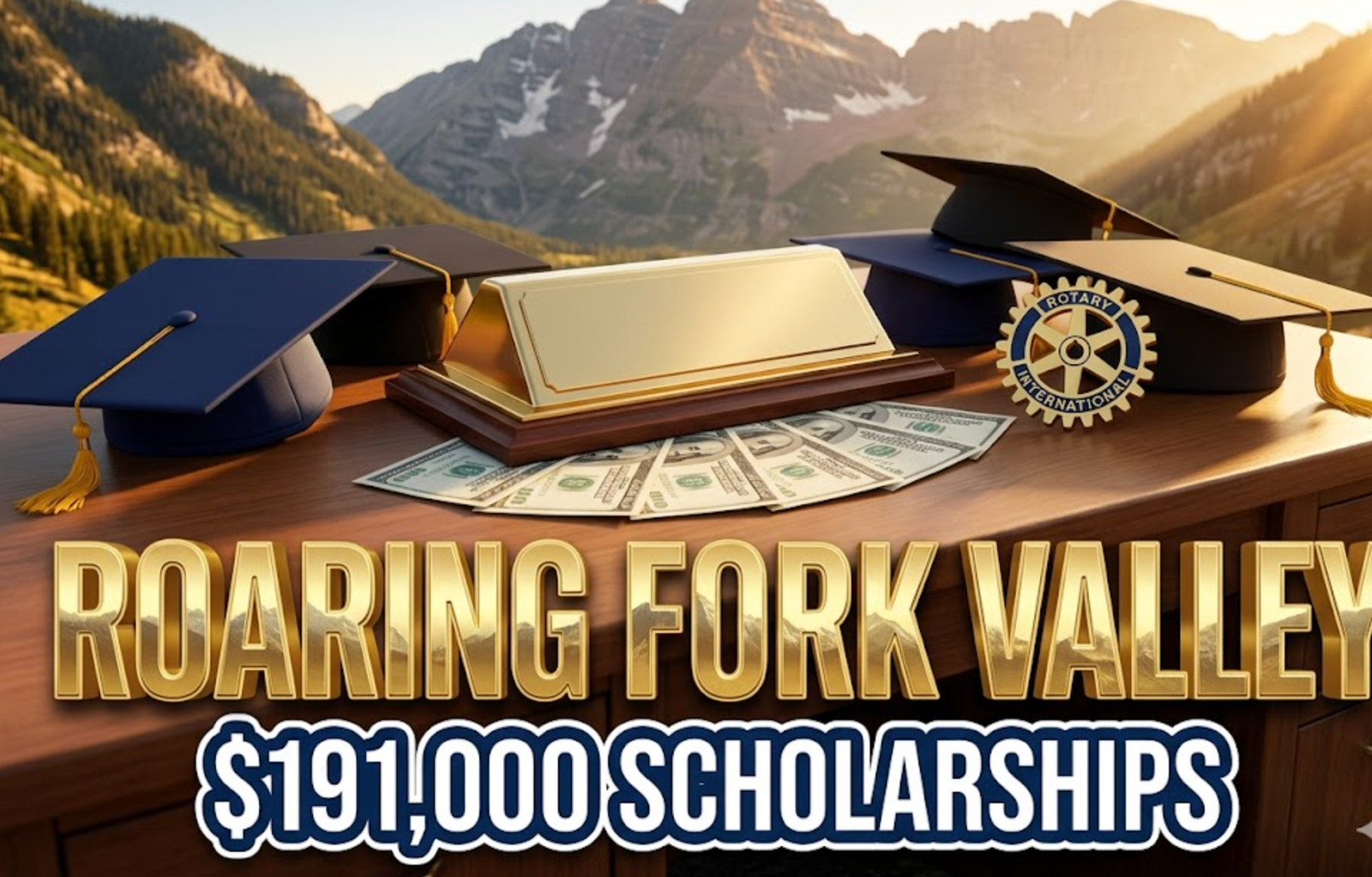
Six Rotary clubs across Colorado’s Roaring Fork Valley have collectively awarded $191,000 in scholarships to more than 70 students from the class of 2026. The substantial financial boost reflects a coordinated effort to support local youth pursuing higher education and technical training during a time when college costs continue to climb nationwide.
Valley Wide Effort Supports Students Across Multiple Communities
The scholarship distribution represents a unified commitment from Rotary clubs spanning the entire Roaring Fork Valley region. Clubs from Aspen, Carbondale, Glenwood Springs, Glenwood Springs Sunset, Rifle and Snowmass Village participated in this year’s award cycle, marking one of the most comprehensive student aid programs in the valley’s recent history.
Each club maintained its own selection process while adhering to shared Rotary values. The geographical spread ensures students from both affluent resort communities and working-class towns receive equal consideration for financial assistance.
This collaborative approach addresses educational access disparities that often exist in mountain communities where housing costs and economic inequality can create barriers to college attendance.
Leadership And Service Drive Selection Process
Recipients were evaluated on three core criteria that align with Rotary International’s mission and values. Academic performance played a significant role, with selection committees reviewing transcripts and grade point averages to identify students who demonstrated consistent scholarly achievement.
Leadership experience, whether in school activities, community organizations or family responsibilities, carried substantial weight in the decision-making process. Committees looked for students who took initiative and inspired others through their actions.
The most distinctive criterion focused on service commitment. Rotary’s motto of “service above self” shaped evaluations as committees sought students who volunteered time, helped neighbors and contributed to community wellbeing without expectation of reward.
Key Selection Criteria:
- Academic excellence and consistent grades
- Demonstrated leadership in school or community settings
- Commitment to volunteer service and helping others
- Clear educational goals and career pathway plans
Year Round Fundraising Powers Scholarship Fund
The $191,000 scholarship pool resulted from sustained fundraising efforts throughout the previous year. Rotary clubs across the valley organized community events, solicited donations from local businesses and engaged in partnership initiatives to build their scholarship reserves.
Community support proved essential to reaching this funding level. Local businesses, individual donors and foundations contributed to the scholarship funds, recognizing the importance of investing in the next generation of valley residents.
Unlike one-time fundraising drives, Rotary’s approach involves continuous engagement with community members. This strategy creates stable, predictable funding that allows clubs to plan scholarship amounts well in advance and communicate opportunities to prospective applicants early in their senior year.
The funds support multiple educational pathways beyond traditional four-year universities. Technical training programs, community college enrollment and specialized career certifications all qualify under the scholarship guidelines, reflecting evolving workforce needs and diverse student interests.
Scholarships Address Rising Education Costs
The timing of these awards coincides with ongoing concerns about college affordability across the United States. Tuition at both public and private institutions has increased significantly over the past decade, while federal financial aid has not kept pace with rising costs.
For students in resort communities like those in the Roaring Fork Valley, the financial challenges extend beyond tuition. Many graduates come from families employed in seasonal or service industries where income fluctuates throughout the year, making it difficult to save for college expenses.
The average scholarship amount of approximately $2,700 per student can cover textbooks for a full academic year, offset housing deposits or reduce the need for student loans. For technical program students, it might cover entire certification courses or specialized equipment required for training.
Colorado community colleges and technical schools have seen enrollment increases as students seek affordable alternatives to four-year universities. The Rotary scholarships acknowledge this trend by supporting diverse educational choices rather than limiting funds to traditional college paths.
Impact Extends Beyond Individual Recipients
While 70 students directly benefit from this year’s awards, the scholarship program creates ripple effects throughout the Roaring Fork Valley. Graduates who receive support often return to the region after completing their education, bringing new skills and knowledge to local industries and organizations.
The program also strengthens connections between Rotary clubs and local high schools. Guidance counselors work with Rotary members to identify eligible students, creating partnerships that benefit future graduating classes and build awareness of community resources.
Young people who witness their peers receiving recognition for service and leadership often feel motivated to engage in similar activities. This creates a positive cycle where community involvement becomes normalized and celebrated among students.
The scholarships represent an investment in the valley’s economic future. As tourism-dependent communities face workforce challenges, supporting local students who pursue careers in healthcare, education, skilled trades and business management helps ensure long-term community sustainability.
As graduation ceremonies approach across the Roaring Fork Valley, these 70 scholarship recipients carry not just financial assistance but also the confidence that their communities believe in their potential. The $191,000 investment by Rotary clubs demonstrates how local organizations can create meaningful change through consistent commitment to youth development and educational access. Whether students pursue nursing degrees, welding certifications or engineering programs, they move forward knowing their home communities support their ambitions.
What are your thoughts on community-based scholarship programs? Share your experiences or perspectives in the comments below.











Halo Campaign Evolved Skulls Meet Death Barriers That Kill the Hunt

Spotify Running Mode Returns After the 2015 Experiment Failed

Amazon AWS Hits Fastest Growth in Years as AI Spend Pays Off

Amazon Bets Platform Beats Models in the AI Race

Apple C2 Modem Edges Into iPhone 18 Pro After Qualcomm Drop

Google Earth Adds Nano Banana 2 to Reimagine Real Places

Apple Upgrade Turns Phones Into Monthly Utility Bills

Asha Sharma Bets Xbox Growth on Console and Four C’s

MacBook Ultra Design Follows Apple’s Familiar Cascade Path

TAG Heuer Carrera x Team Ikuzawa Revives 1970s Roadmaster Stopwatch DNA

Pokémon GO Developer Niantic Rebrands as Scopely Explore

Jaylen Brown Traded to 76ers for Paul George and Four Draft Picks

Persona 4 Revival Hands All Anime Cutscenes to Studio MAPPA

Doom Studio id Software Cuts Half Its Staff in Xbox Layoffs

Nintendo Switch Online Adds Four Classics and One Japan-Only Title

Jordan Henderson Hospitalized After Wrist Injury at the Azteca

Mexico’s World Cup Run Ends at Azteca as England Hold On 3-2

Meta’s Muse Image Lets Anyone Use Your Instagram Photos in AI

Louis Vuitton Beats Molly Tea in China, Triggers Cultural Backlash

Pink Bearista Cup Returns July 13 as Starbucks Pink Vibes Drops
-

 TECHNOLOGY3 years ago
How to Adjust a Bulova Watch Band – An Easy Guide
-

 News3 years ago
Fred Pentland: Athletic Bilbao’s English mentor who changed the essence of Spanish football
-

 FINANCE3 years ago
Tax Planning for Every Season: Guide to Maximizing Your Tax Benefits
-

 Education3 years ago
African Ministers New Education Plan
-

 BUSINESS3 years ago
What is Entrepreneurial Operating System? A Comprehensive Guide to EOS
-

 Education3 years ago
Innovate Your Learning Journey with Technology and Enhance Education
-

 News3 years ago
Russians formally out of World Athletics Championships
-

 BUSINESS3 years ago
Top 9 Most Expensive American Cities to Rent an Apartment