
FINANCE
SpaceX IPO Hands Retail 30%, But Day-One Odds Are Grim

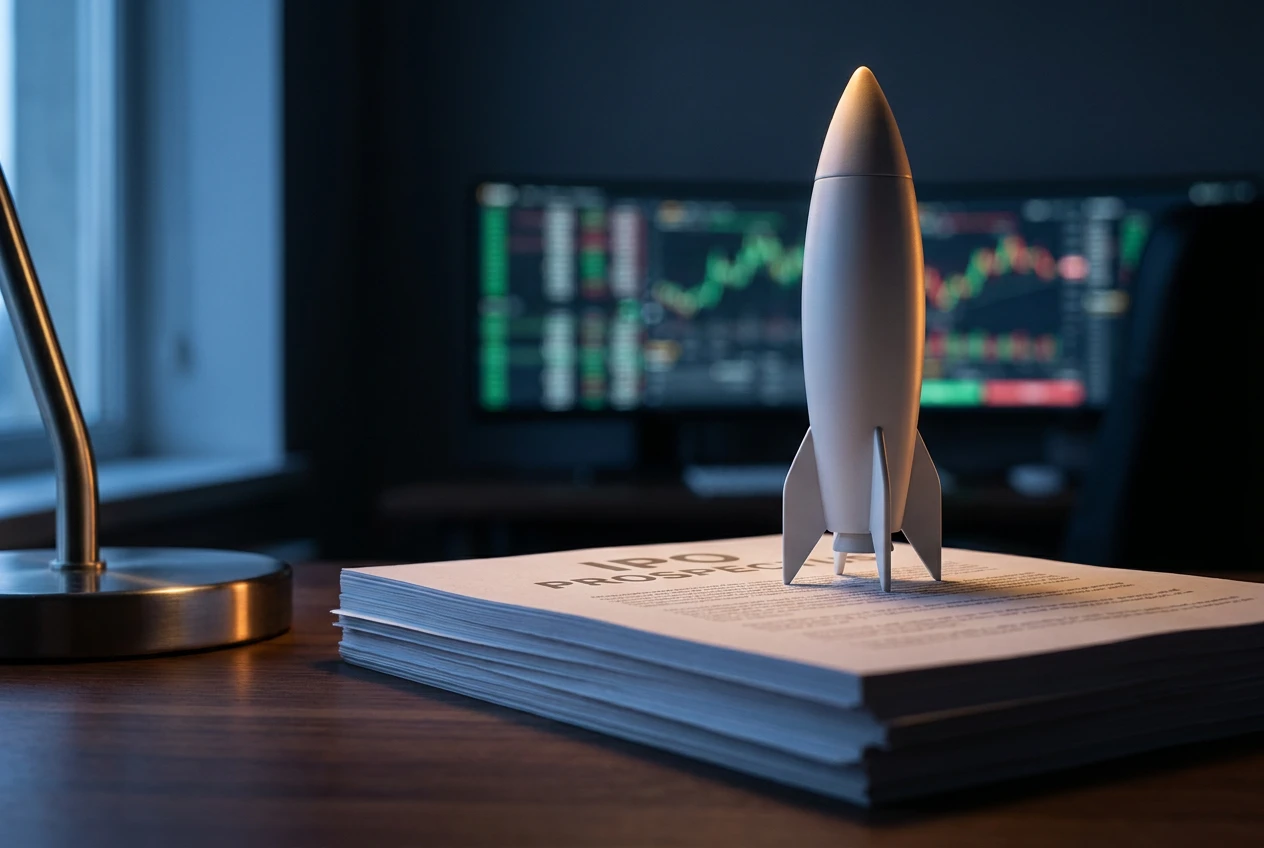
The SpaceX IPO (initial public offering, the first sale of stock to the public) is scheduled for June 12 on the Nasdaq under the ticker SPCX, and Elon Musk plans to reserve about 30% of the offering for retail investors, roughly three times the slice an ordinary mega-cap debut hands the public. At a valuation reported as high as $2 trillion, the deal would rank as the largest listing in market history.
Here is the part the countdown clock hides. The same history that makes a hot debut look irresistible shows the opening bell is usually the worst moment for a small account to climb aboard, and the wider the retail door swings, the more of that risk lands on ordinary buyers. Four money managers polled by Business Insider split three to one against buying SPCX on its first day.
The 30% Retail Slice Cuts Both Ways
The allocation is unusual by design. SpaceX has earmarked roughly 30% of the offering for individual investors, against the 10% or so a blockbuster listing normally sets aside for the public, and the company is staging a retail investor event the night before pricing that spans the United States, United Kingdom, European Union, Australia, Canada, Japan and South Korea. Chief financial officer Bret Johnsen has said retail will play a larger role in this listing than in any IPO in history.
Do the arithmetic on a raise reported near $75 billion and the public could absorb more than $22 billion in stock. That is the access part. For fans who have wanted a piece of the rocket company for a decade, it reads like a thank-you note.
It is also the exposure part. The more shares retail holds at the start, the more of the first-day price swing sits in small accounts instead of the institutions that usually dominate a hot allocation. The timing is now locked; SPCX is set for a June 12 Nasdaq debut after pricing the night before.
A $2 Trillion Price Tag on $18 Billion in Sales
The figure that unsettles the bears is the multiple. At the valuation that has been floated, SpaceX would price at around 110 times trailing revenue, a level no mature mega-cap trades anywhere near. Jon Zetlmaier, founder of Zetlmaier Wealth Management, lined the company up against the six firms already worth $2 trillion or more, a group that includes NVIDIA and Microsoft.
SpaceX’s own Form S-1 registration statement, filed May 20, shows 2025 revenue near $18 billion and a net loss of roughly $4.9 billion. The peer group it wants to join looks nothing like that.
| 2025 figures | Six $2T-plus firms (average) | SpaceX |
|---|---|---|
| Revenue | $335 billion | $18 billion |
| Net income | $86 billion | -$4.9 billion |
| Status | Profitable, long public | Unprofitable, listing now |
“These six companies have average revenues of $335 billion and net incomes of $86 billion in 2025,” Zetlmaier said. “SpaceX has revenues of $18 Billion and a net loss of nearly $5 billion.” The gap between the price tag and the income statement is the whole bear case in two lines.
What the IPO Data Says About Day-One Buyers
Altug Dincturk, chief investment officer at Madison Partners, likes the company and still would not buy at the bell. His firm plans to wait for the dust to settle before deciding. The reasoning sits on a stack of numbers that rarely makes the launch-day coverage.
- 19% average first-day gain on US IPOs from 1980 to 2024, according to University of Florida data.
- 64% of US IPOs underperformed the market by at least 10% over the three years after listing, according to Nasdaq data covering 2010 to 2020.
- Around half posted negative absolute returns in their first 12 months.
That first-day pop is real, and it is exactly the bait. The trouble shows up later. Decades of IPO long-run return statistics compiled at the University of Florida point the same way, and a separate long-run study of new listings finds that fresh issues tend to lag comparable companies for years after the confetti is swept up. Buying the headline name on the headline day puts a buyer on the wrong side of both patterns at once.
Four Money Managers, One Yes
Dincturk made the same point with two recent names, and his example doubles as the cleanest version of the irony in this whole listing.
High-profile names are often the worst offenders. Look at 2025 alone: StubHub debuted 8% above its IPO price on day one and has since fallen 40%. CoreWeave opened below its offer price but is up 78% for patient investors who weren’t scared off by the first-day dip.
The one yes came from Rob Arnott, founder of Research Affiliates, and even he framed it as a trade rather than a conviction. “I don’t buy stocks at 100-times sales,” he said. “This would qualify as a non-fundamental purchase decision.” His logic is mechanical: as SPCX gets folded into the S&P 500 and Nasdaq 100, index funds have to buy it no matter the price, and steady buying should push the stock up. He would trim once it joins the benchmarks.
| Manager | Firm | Buy on day one? | Core reason |
|---|---|---|---|
| Rob Arnott | Research Affiliates | Yes | Index-fund buying lifts the stock as it joins benchmarks |
| Altug Dincturk | Madison Partners | No | The opening bell is the worst time to decide |
| Anna Rathbun | Grenadilla Advisory | No | Only the satellite-internet arm is a proven business |
| Jon Zetlmaier | Zetlmaier Wealth Management | No | Revenue and losses do not match a $2T peer group |
Starlink Pays, xAI Burns
Strip the company to its engine and one division does almost all the work. Anna Rathbun, founder of Grenadilla Advisory, would pass for that reason, citing the valuation and the thin base of proven businesses underneath it.
“The only stable ‘business’ is Starlink, with consecutive annual growth of subscribers and a real/proven use across the globe,” she said. “I would have to see the viability of the other businesses (and therefore, cash flow growth, not dramatic losses) before feeling confident.” Here is how the pieces stack up in the filing:
- $11.4 billion in 2025 connectivity revenue from Starlink, about 61% of the company total, with subscribers up to 8.9 million.
- A $6.35 billion operating loss in the AI unit during 2025, after the February xAI acquisition pulled the whole group into the red.
- The launch business that built the brand, now a minority of total revenue.
The satellite arm keeps adding customers, including a recent satellite-internet deal with American Airlines covering more than 500 jets. The question Rathbun is asking is whether the profitable unit can outrun the cash the rest of the company sets on fire.
Why December Is the Date That Matters
The first-day price is a sideshow next to the calendar event that follows. Standard lockups run about six months, so the insider selling window from a mid-June listing opens in the second half of December 2026. Musk controls roughly 85% of the votes through super-voting shares, and a flood of newly unlocked stock could test how much demand really exists beneath the launch-day enthusiasm.
Arnott’s bull case actually leans on that moment. As lockups lapse and more shares hit the market, index funds tracking the big benchmarks are forced to keep buying a quarter of whatever new float appears, which props up the price even as early holders cash out. The bear case is the mirror image: if institutional demand thins while supply jumps, retail buyers from June are the ones left holding an expensive stock.
There is also launch-pad risk in the literal sense. The latest Starship mishap investigation landed just weeks before the listing, a reminder that this is still a hardware company where the product can blow up on camera.
If the index-fund machinery and steady connectivity growth carry the float through the lockup, the patient buyers Dincturk described get their entry at calmer prices. If demand fades once insiders can sell, the generous retail door that looked like a gift in June becomes the reason small accounts feel the drop first.
Frequently Asked Questions
When Is the SpaceX IPO Date?
SpaceX is scheduled to list on the Nasdaq on June 12, 2026, under the ticker SPCX, with shares pricing the night of June 11. The company filed its registration statement with the Securities and Exchange Commission on May 20, 2026.
How Much of the SpaceX IPO Goes to Retail Investors?
About 30% of the offering is earmarked for individual investors, roughly three times the share a typical mega-cap IPO reserves for the public. On a raise reported near $75 billion, that could put more than $22 billion of stock in retail hands.
What Is SpaceX’s Valuation at IPO?
Reports put the target at up to $2 trillion, with some underwriter chatter closer to $1.75 trillion. At that level the company would price near 110 times trailing revenue, a far higher multiple than any established $2 trillion technology firm.
Is SpaceX Profitable?
No. The S-1 shows 2025 revenue near $18 billion and a net loss of roughly $4.9 billion. The connectivity unit run on Starlink is profitable, but heavy losses in the AI segment acquired in February pushed the overall company into the red.
When Does the SpaceX IPO Lockup Expire?
Insider lockups are expected to run about six months from listing, which would open the selling window in the second half of December 2026. That period could bring a large wave of insider stock onto the market.
Disclaimer: This article is for informational purposes only and is not investment advice. IPO and equity investments carry significant risk, including the loss of capital, and past performance does not guarantee future results. Consult a qualified financial professional before making any investment decision. Figures are accurate as of publication.






Halo Campaign Evolved Skulls Meet Death Barriers That Kill the Hunt

Spotify Running Mode Returns After the 2015 Experiment Failed

Amazon AWS Hits Fastest Growth in Years as AI Spend Pays Off

Amazon Bets Platform Beats Models in the AI Race

Apple C2 Modem Edges Into iPhone 18 Pro After Qualcomm Drop

Google Earth Adds Nano Banana 2 to Reimagine Real Places

Apple Upgrade Turns Phones Into Monthly Utility Bills

Asha Sharma Bets Xbox Growth on Console and Four C’s

MacBook Ultra Design Follows Apple’s Familiar Cascade Path

TAG Heuer Carrera x Team Ikuzawa Revives 1970s Roadmaster Stopwatch DNA

Pokémon GO Developer Niantic Rebrands as Scopely Explore

Jaylen Brown Traded to 76ers for Paul George and Four Draft Picks

Persona 4 Revival Hands All Anime Cutscenes to Studio MAPPA

Doom Studio id Software Cuts Half Its Staff in Xbox Layoffs

Nintendo Switch Online Adds Four Classics and One Japan-Only Title

Jordan Henderson Hospitalized After Wrist Injury at the Azteca

Mexico’s World Cup Run Ends at Azteca as England Hold On 3-2

Meta’s Muse Image Lets Anyone Use Your Instagram Photos in AI

Louis Vuitton Beats Molly Tea in China, Triggers Cultural Backlash

Pink Bearista Cup Returns July 13 as Starbucks Pink Vibes Drops
-

 TECHNOLOGY3 years ago
How to Adjust a Bulova Watch Band – An Easy Guide
-

 News3 years ago
Fred Pentland: Athletic Bilbao’s English mentor who changed the essence of Spanish football
-

 FINANCE3 years ago
Tax Planning for Every Season: Guide to Maximizing Your Tax Benefits
-

 Education3 years ago
African Ministers New Education Plan
-

 BUSINESS3 years ago
What is Entrepreneurial Operating System? A Comprehensive Guide to EOS
-

 Education3 years ago
Innovate Your Learning Journey with Technology and Enhance Education
-

 News3 years ago
Russians formally out of World Athletics Championships
-

 BUSINESS3 years ago
Top 9 Most Expensive American Cities to Rent an Apartment